Mona Porwal
 05-12-2025
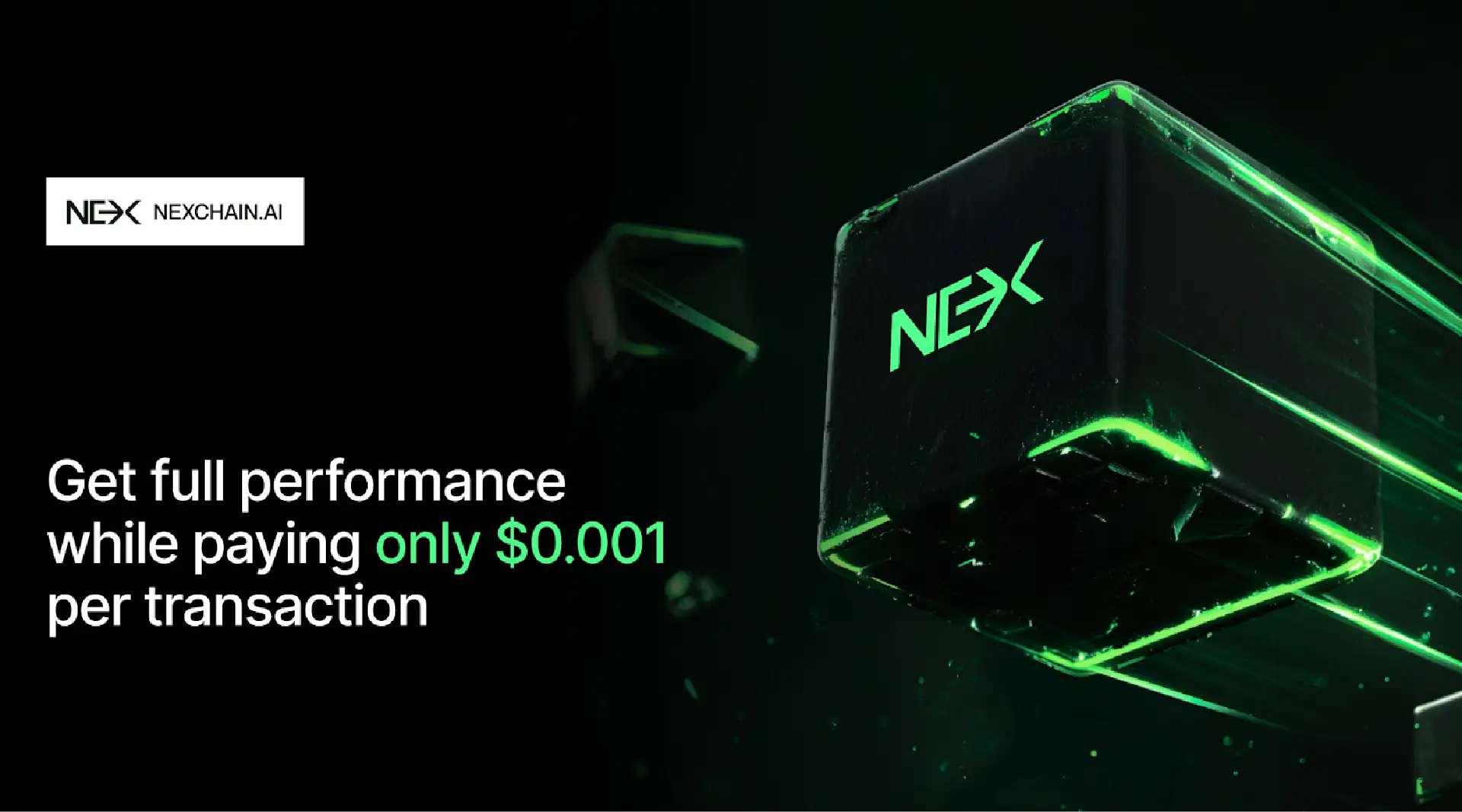
Most blockchains struggle with rising fees when activity increases. Heavy traffic often slows transactions and forces users to pay more to get their transfers processed on time. Nexchain Uses takes a different approach. Its network uses an AI-driven execution layer designed to predict load, redirect traffic, and keep costs stable. This system is one of the main reasons Nexchain continues to attract attention across crypto presales, especially as users compare technical features before joining a token presale.
This guide explains how Nexchain keeps fees near $0.001, how the AI layer works behind the scenes, and why this approach matters for long-term growth.
Blockchains have limited capacity. When many users send transactions at the same time, the network becomes congested. Miners or validators prioritize transfers with higher fees, which forces users to pay more. On some networks, this can make even basic transfers expensive during busy periods.
These spikes are unpredictable. A sudden surge in activity—such as a large NFT mint or a new token launch—can push fees far above normal levels. For users, the experience feels unstable and costly. For developers, it becomes harder to build applications that rely on consistent operating costs.
Nexchain was built to avoid this cycle entirely.
Nexchain’s AI execution layer analyzes incoming activity and models network behavior in real time. Instead of reacting to congestion after it forms, the system identifies early signs of pressure and begins distributing traffic across lighter routes.
The AI tracks trends such as:
Transaction frequency
Contract activity patterns
Expected validator workload
Shard-level distribution
By mapping these signals, the network understands where demand will rise. This allows it to prepare alternative processing paths before users experience delays.
The result is a more balanced system that avoids sudden congestion.
At the core of Nexchain’s fee model is a routing system that selects the “lightest path” for each transaction. This method ensures that a transfer moves through the least crowded route rather than waiting behind heavier batches of activity.
Because the system spreads traffic across the network, validators do not face unexpected spikes. This reduces the need for fee competition and keeps the cost of each transaction near $0.001.
This behavior remains stable even during high activity, which is one of the main reasons Nexchain stands out in today’s Web3 crypto presale discussions.
Nexchain uses shards to divide workload into smaller segments. Each shard handles its own group of transactions, reducing pressure on the main network. When the AI layer detects rising load, it adjusts how transactions are distributed across shards.
This structure gives the chain more processing surface area. Instead of pushing all activity into a single lane, the network uses several lanes at once. Shards operate in parallel, which increases total capacity to 400,000 TPS and helps fees remain low.
Parallel processing is a key factor for scaling. Nexchain’s version combines high throughput with predictive management, giving it a stable foundation for long-term growth.
Low fees are more than a convenience. They shape the long-term health of the network. Developers can create tools, payment systems, and high-volume applications without worrying about unpredictable costs. Users can interact with smart contracts, send funds, or run daily tasks without facing fee spikes.
For a token presale project, this reliability helps demonstrate readiness for real-world use. Nexchain’s fee system supports:
AI-driven analytics
Microtransactions
Supply chain tracking
IoT device coordination
High-frequency financial tools
These industries require stable costs to operate. Nexchain’s low-fee model is designed to support them at scale.
Nexchain’s network not only keeps fees low—it also redistributes 10% of gas revenue back to holders daily. This turns activity into shared value. Because fees stay stable, usage can increase without penalizing users, while the ecosystem continues to generate recurring rewards.
The model strengthens Nexchain’s position in the crypto presale market by aligning network growth with user participation.
Website: nexchain.ai
Telegram: t.me/nexchain_ai
LinkedIn: www.linkedin.com/company/nexchainai

Mona Porwal is an experienced crypto writer with two years in blockchain and digital currencies. She simplifies complex topics, making crypto easy for everyone to understand. Whether it’s Bitcoin, altcoins, NFTs, or DeFi, Mona explains the latest trends in a clear and concise way. She stays updated on market news, price movements, and emerging developments to provide valuable insights. Her articles help both beginners and experienced investors navigate the ever-evolving crypto space. Mona strongly believes in blockchain’s future and its impact on global finance.
Mona Porwal is an experienced crypto writer with two years in blockchain and digital currencies. She simplifies complex topics, making crypto easy for everyone to understand. Whether it’s Bitcoin, altcoins, NFTs, or DeFi, Mona explains the latest trends in a clear and concise way. She stays updated on market news, price movements, and emerging developments to provide valuable insights. Her articles help both beginners and experienced investors navigate the ever-evolving crypto space. Mona strongly believes in blockchain’s future and its impact on global finance.





Owned by:-
DCG Tech FZCO, UAE
Delivery Partner:-
Gabbar MediaTech Pvt Ltd.
Copyright © 2025 Coin Gabbar. All Rights Reserved.