Sakshi Jain
 04-12-2025
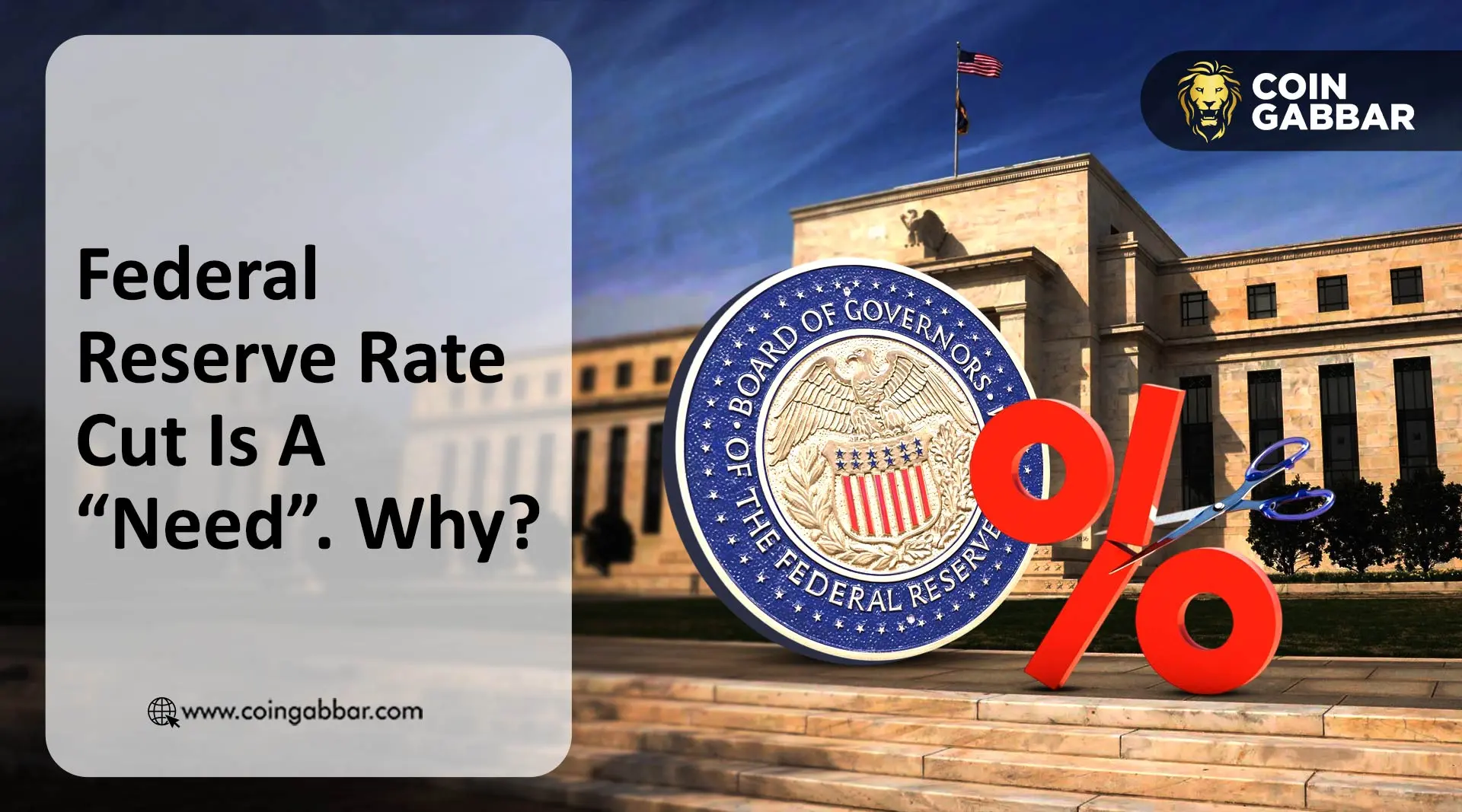
The U.S. economy is sending mixed signals—cooling inflation, weakening jobs, and soaring stock markets. As pressure builds, the Federal Reserve faces growing expectations for Cut Fed Rates soon
The latest economic data has revived strong expectations that the Federal Reserve will cut rates again at the upcoming December 10 FOMC meeting. Hassett has a pro-growth, low-tax, pro-liquidity position that generally supports more accommodative monetary policy.
Should he be appointed, the markets anticipate a more vigorous rate-cutting cycle, possibly to stimulate the employment rate and to hold the high asset prices.
The reaction of investors is already taking shape, with optimistic forecasts like the S&P 500 reaching 8000 already circulating online.
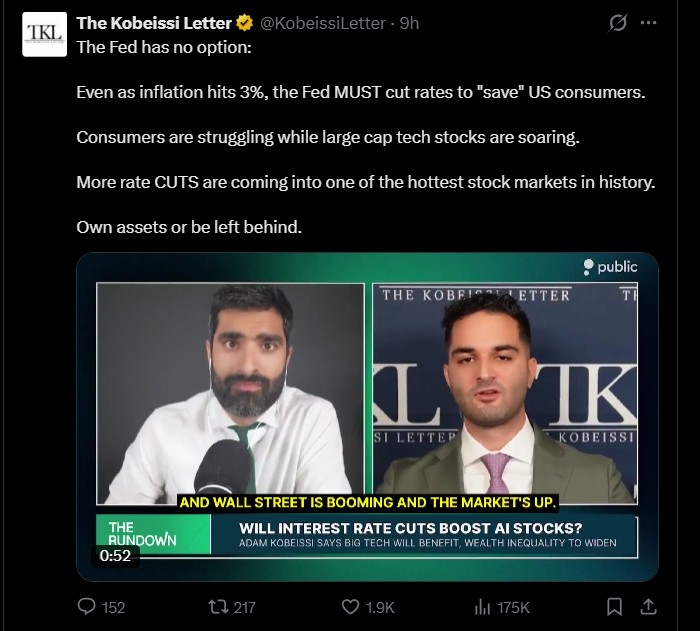
Many analysts argue that the Fed can no longer rely on tight monetary policy when signs of economic softness—especially in labor markets—are becoming unavoidable.
Source: The Kobeissi Letter X
Despite inflation sitting slightly above the Fed’s 2% target, the real pressure comes from the weakening foundation of the economy. Consumers are squeezed by high borrowing costs, falling real wages, and rising defaults.
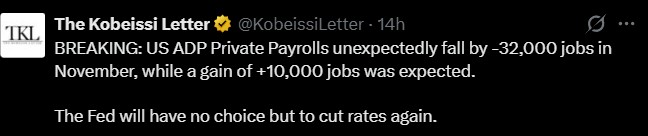
The latest ADP private payrolls data showed a shocking decline of 32,000 jobs, instead of the expected +10,000. This is the largest contraction since early 2023 and signals a cooling job market. Under the Fed’s dual mandate—price stability AND maximum employment—rate cuts become almost necessary.
Moreover, if consumer spending slows further, overall economic growth may stall. Many economists now believe the Fed is approaching a point where cutting rates is less about boosting markets and more about preventing a recession.
Source: X
A major political development adds even more weight to this scenario. Reports suggest that President Trump is considering Kevin Hassett as the next Federal Reserve Chair, while also elevating Treasury Secretary Scott Bessent to top economic adviser.
U.S. CPI has already been confirmed to be 3% in November 2025, and already the markets are pricing in 87% probability of a 25 bps cut.
The social sentiment is no different. According to online debates, a growing K-shaped economy is becoming evident, with big tech items skyrocketing and ordinary consumers unable to afford them.
Source: X
Delayed Fed rate cuts may aggravate:
Loss of jobs as companies withdraw from recruitment.
High loan and credit card interest stress on the consumer.
Declining small business activity.
More recession risk in case spending remains weak.
A long wait can also cause liquidity problems, particularly to those households that are already living paycheck-to-paycheck.
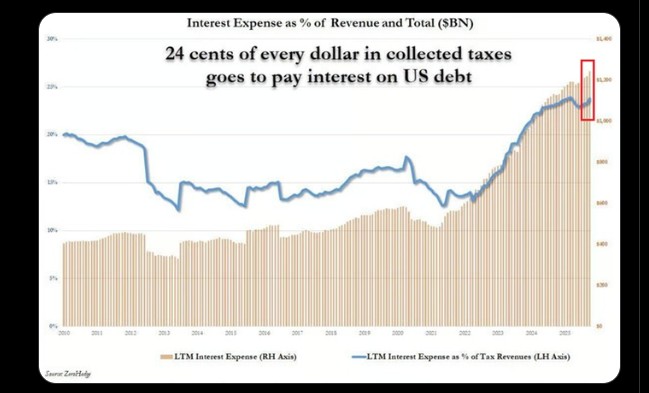
One of the biggest reasons behind rising pressure for rate cuts is the state of U.S. federal debt. Interest payments have surged to $1.24 trillion over the past year—now eating up 24% of every tax dollar collected.
This cost has doubled since 2021 and now surpasses defense and healthcare spending. With federal debt at $38 trillion and rising, the government itself needs lower rates more than anyone. Without cuts, interest expenses could exceed $1.6 trillion by 2030.
Source:
When rates were high, mortgages, credit cards, and business loans became more expensive, slowing consumption and hiring. Markets grew nervous, and job growth flattened.
After the recent cuts earlier in 2025, borrowing eased slightly, markets soared, and liquidity improved. Another cut could bring temporary relief to consumers, support businesses, and calm debt pressures.
Federal reserve news now appears less like an option and more like an economic necessity. With weakening jobs, rising debt costs, and consumer strain, another cut could stabilize growth—at least for now.
Disclaimer: This article is for informational purposes only and does not constitute financial advice.

Sakshi Jain is a crypto journalist with over 3 years of experience in industry research, financial analysis, and content creation. She specializes in producing insightful blogs, in-depth news coverage, and SEO-optimized content. Passionate about bringing clarity and engagement to the fast-changing world of cryptocurrencies, Sakshi focuses on delivering accurate and timely insights. As a crypto journalist at Coin Gabbar, she researches and analyzes market trends, reports on the latest crypto developments and regulations, and crafts high-quality content on emerging blockchain technologies.
Sakshi Jain is a crypto journalist with over 3 years of experience in industry research, financial analysis, and content creation. She specializes in producing insightful blogs, in-depth news coverage, and SEO-optimized content. Passionate about bringing clarity and engagement to the fast-changing world of cryptocurrencies, Sakshi focuses on delivering accurate and timely insights. As a crypto journalist at Coin Gabbar, she researches and analyzes market trends, reports on the latest crypto developments and regulations, and crafts high-quality content on emerging blockchain technologies.



Owned by:-
DCG Tech FZCO, UAE
Delivery Partner:-
Gabbar MediaTech Pvt Ltd.
Copyright © 2025 Coin Gabbar. All Rights Reserved.