Otters Uses Telegram to Make Web3 Easier for Everyday Users

Otters: Simplifying Web3 with Telegram Mini App Integration
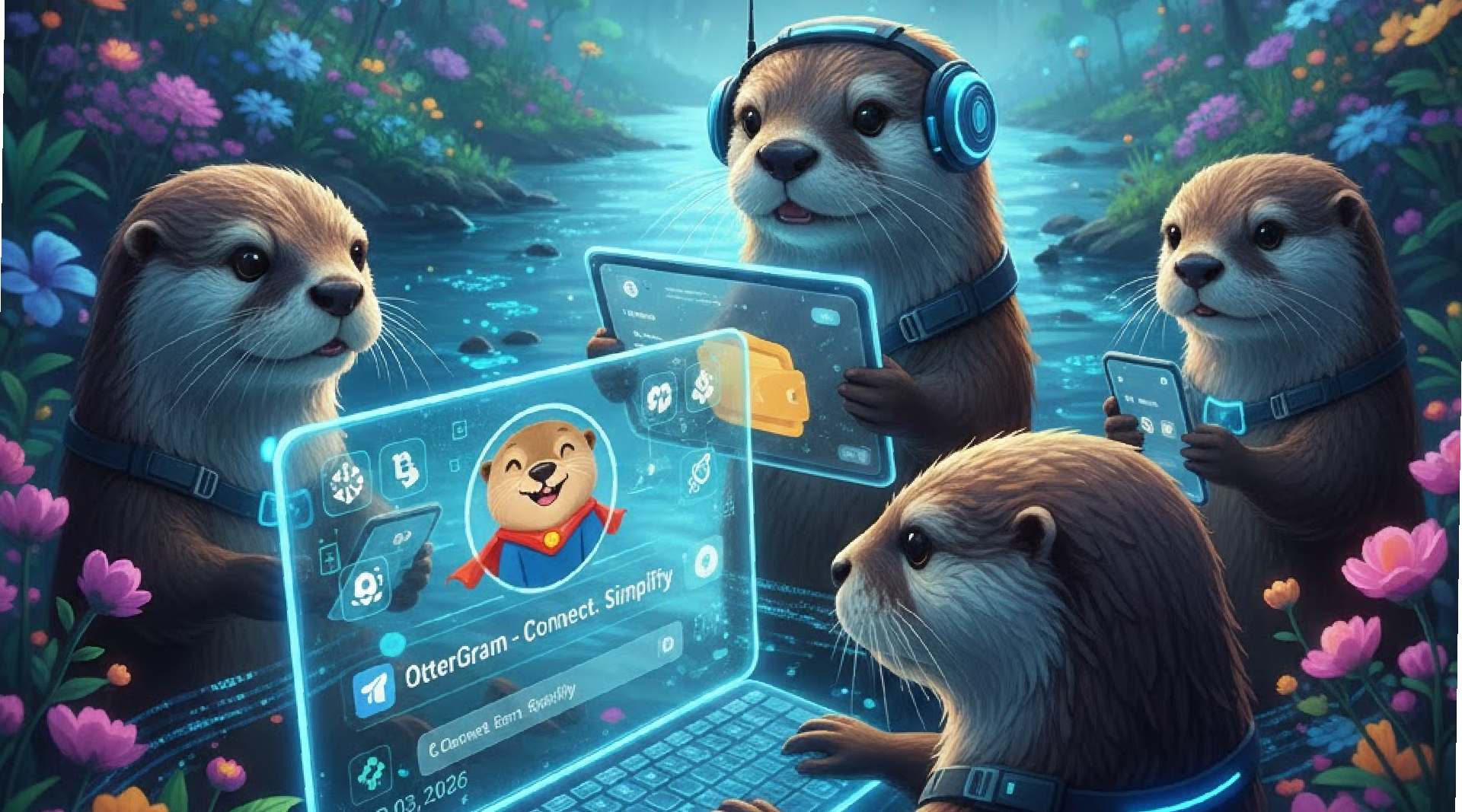
As Telegram slowly becomes more than just a messaging app, many Web3 projects are starting to build directly inside it. Instead of sending users to websites or apps, these projects work where people already spend time. Otters is one such project. It is make as a Telegram Mini App and focuses on making Web3 easier to approach for everyday users.
The main idea behind Otters is simple interaction. Users do not need to knows wallets, smart contracts, or complex blockchain steps at the start. Everything happens inside Telegram. People join the app, check in daily, complete short farming sessions, play small games, and interact socially. These basic actions reward users with Otters Coins. The process feels closer to a casual app than a traditional crypto platforms.
This design choice matters. Many Web3 platforms lose users early because setup feels confusing. Otters tries to reduce that gap by using habits people already have. Opening Telegram. Tapping a button. Doing a short task. Over time, users get used to the idea of digital rewards without pressure.
A key feature inside Otters is its verification system called the TON Badge. Users can unlock this badge by completing a small on-chain transaction on the TON network. Once verified, a badge appears next to the user’s name inside the app. This does two things. It shows that the user has completed a real blockchain action, and it unlocks extra features inside Otters.
One of those features is Quick Share. This allows verified users to send value to each other within the Otters ecosystem. By linking verification to an on-chain step, Otters introduces a simple trust layer. This is not common in most Telegram Mini Apps, where users often remain anonymous with no signal of authenticity.
Otters is also moving toward on-chain ownership through its NFT Collection Store. Inside the app, users can mint Otters NFT collections directly to their TON wallets. There is no need to visit external marketplaces. This lowers friction and helps users slowly understand what it means to own something on-chain.
From public information, Otters has already crossed 100,000 users. The team continues to release updates, including interface change and new features. The pace suggests ongoing development more than a short-term incentive model. The project seems focused on makeing a long-term ecosystem within the TON network.
Looking ahead, Otters plans to launch its native token, OTR. The token is expected to support farming rewards, tasks, and future interactions inside the ecosystem. At the moment, OTR appears to be planned rather than fully active. Like many early Web3 projects, the real utility will depend on execution over time.
Otters is accessible directly by clicking here through Telegram, Users can explore the app at their own pace without pressure to commit and invest. Thus, Otters reflect a broader shift in Web3. Instead of complex tool and loud promises, some projects are choosing simple design, gradual onboarding, and real user habits as their foundation