The Cryptocurrencies That Vanished in 2025 and Why They Failed

Why Cryptocurrencies Vanished in 2025 and What It Means
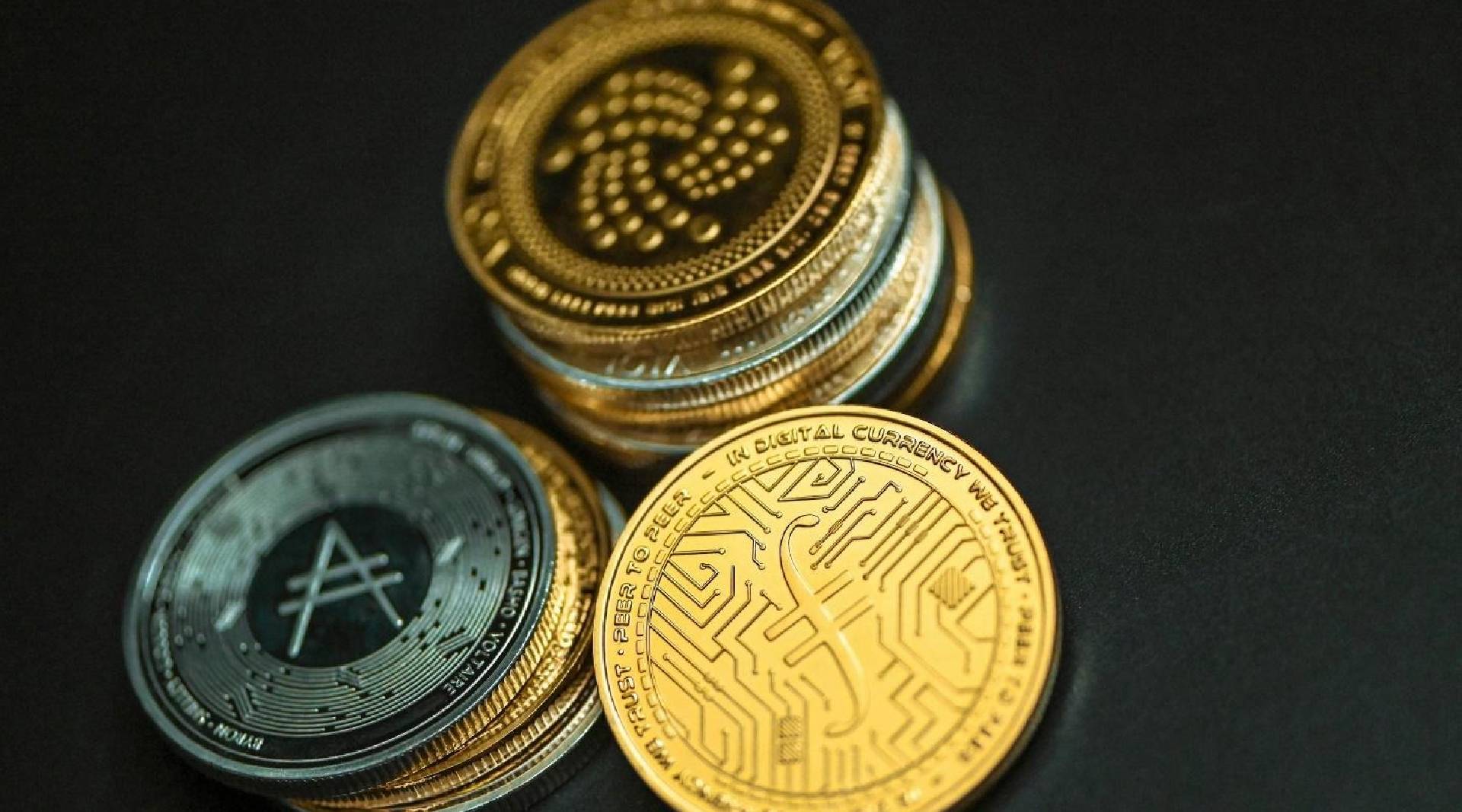
Cryptocurrencies Vanished in 2025 winters always come with casualties. It’s just how the cycle works. Every bull run brings thousands of projects, and every correction wipes out the ones built on hype instead of backbone. But 2025? It hit differently. This wasn’t a quiet fade-out, but it was a full-blown purge. The kind that left Telegram groups empty, Discord servers ghosted, and token charts flatter than desert sand. Some coins didn’t just dip, but they evaporated, vanished from exchanges, deleted from whitepapers, forgotten by the same influencers who once swore they were “the next Ethereum, a top cryptocurrency.”
The Year of Reckoning
To understand why 2025 was brutal, you have to understand what led up to it. The 2024 bull market was electric every other tweet had a coin ticker, every meme had dollar signs, and investors thought they’d cracked the code to instant wealth. But bull markets make people forget one thing: gravity always wins. By mid-2025, global interest rates tightened, speculative trading slowed, and the wave of AI, DeFi, and meme-token mania started collapsing under its own weight. Suddenly, liquidity vanished. Retail investors pulled out. The same venture funds that once fueled every small token launch started closing their doors to anything that wasn’t proven, regulated, or revolutionary. That’s when the weaker coins started dying quite fast.
The Meme Coin Mass Extinction
If 2023 and 2024 were the years of meme coin chaos, 2025 was the year of meme coin extinction. New names popped up faster than anyone could track, each one promising community, utility, and “vibes.” Some made quick millions. Most crashed by summer. Coins like Pug Inu, SpacePepe, and BananaCat had their brief stardom with flashy websites, chaotic Discords, and celebrity tweets. But when the market started correcting, people realized what these projects really were: empty shells wrapped in clever marketing. No roadmap. No dev team with experience. No plan beyond “let’s ride this trend.” The smart money left, liquidity drained, and the holders were left staring at wallets full of zeros. The factor that killed most of these projects wasn’t lack of imagination; it was lack of infrastructure. You can build hype on Twitter, but you can’t build sustainability on it.
The DeFi Projects That Couldn’t Handle Pressure
DeFi had its renaissance, too. Yield farming came back in a new suit smarter, flashier, more polished. But behind that fancy UX and shiny APYs, a lot of protocols were just recycling old ideas with riskier leverage. When the market dipped, many of these platforms couldn’t sustain liquidity pools. Pegs broke. Smart contracts got exploited. And projects that were supposed to represent the “future of finance” started quietly shutting down or merging into bigger ones just to survive. One of the biggest lessons 2025 taught everyone is that decentralization doesn’t guarantee survival. If the code isn’t solid, if the tokenomics don’t make sense, if the liquidity isn’t deep, the project dies. No matter how passionate the community sounds on Twitter Spaces.
The “AI + Crypto” Hype That Fizzled Out
Ah, the AI-crypto crossover was the most overhyped fusion of 2024. On paper, it made sense: use blockchain to decentralize AI data. Train models with token incentives. Build a marketplace for intelligence. But in practice? It was chaos. Most of those projects couldn’t deliver. AI was expensive, data was scarce, and running models on-chain was slower than anyone wanted to admit. By 2025, investors realized that AI-driven tokens were selling dreams, not products. Some vanished quietly after burning through funding. Others got exposed when users discovered their “AI” was just ChatGPT with a crypto wallet.
The Greed Factor - And the Return of Rug Pulls
Every bear market exposes greed. 2025 was no different. Scams got slicker, rug pulls got smarter, and the marketing teams got ruthless. But the formula stayed the same: overpromise, raise funds, vanish. Some developers used the excuse of “regulatory uncertainty” to disappear. Others blamed “technical migration” and never came back. And the saddest part? Many of these projects had loyal communities, people who genuinely believed. The greed wasn’t just financial, it was psychological. Everyone wanted to be early to the next moonshot. Everyone wanted to flip small bags into retirement money. But when that mindset dominates, it breeds desperation. And desperation funds bad projects.
Regulation and the Cleanup Wave
By late 2025, regulators around the world had caught up. What once felt like the Wild West was suddenly under a microscope. Projects with shady tokenomics, unclear teams, or hidden origins got delisted from major exchanges almost overnight. This cleanup, while painful, was necessary. It forced a new kind of accountability. Only coins that could prove their legitimacy survived. It’s easy to see it as destruction, but it was actually evolution, with the market cutting dead weight so the serious players could breathe again.
The Emotional Fallout
For many investors, 2025 wasn’t just about losing money but it was about losing trust. Communities that once felt like families turned into echo chambers of frustration. Telegram channels went silent. Discord servers that once had thousands of daily messages became graveyards of old memes and broken promises. But out of that emotional wreckage came something powerful: awareness. The kind of hard-earned wisdom you only get after getting burned. People started doing real research again. They asked questions about token supply, developer history, and governance structures. It was a reset, the kind the market needed but didn’t want.
What Survived - and Why It Matters
The truth is, for every coin that died in 2025, one adapted. Projects that focused on transparency, utility, and community trust stood tall. Bitcoin remained unbothered, Ethereum doubled down on functionality, and newer giants like Solana, XRP, and Cardano learned from every failed token around them. The disappearance of those 2025 tokens wasn’t tragedy it was filtration. The ecosystem doesn’t just evolve by invention; it evolves by elimination.
When people talk about the coins that vanished in 2025, they’ll talk about scams, hype, and bad luck. But the real story is simpler: they disappeared because they didn’t deserve to last.
Also read:









.webp)