How FIFA’s Medical Protocols are Changing for the Better of Players

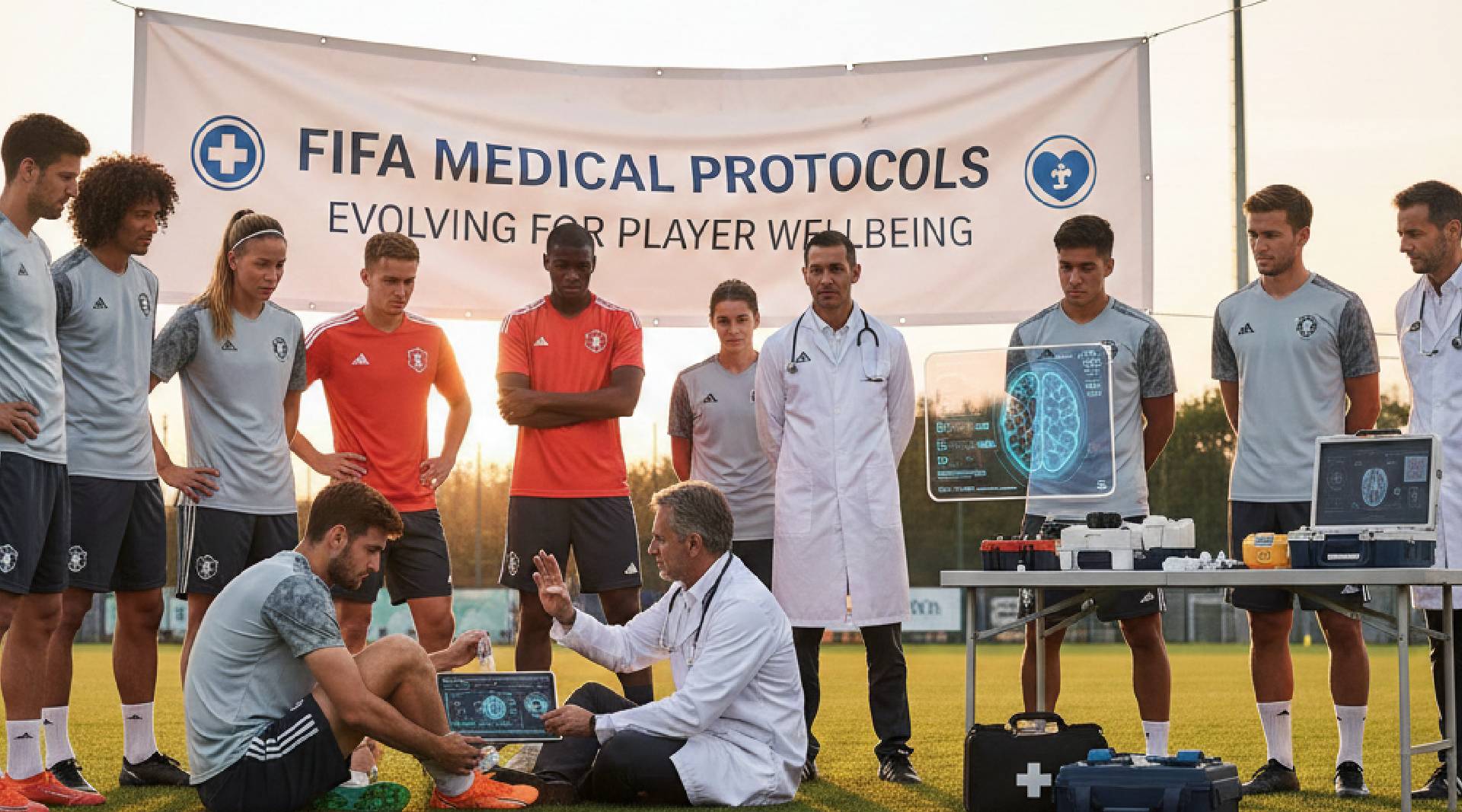
How FIFA's Medical Protocols Keep Soccer Players Safe
FIFA’s Medical Protocols Are Making Soccer Safer Than Ever
FIFA’s medical protocols are getting better every year to keep soccer players safe. From better gear to fast emergency help on the field, FIFA is working hard to protect every player. These rules and safety plans are used in games all over the world—from kids playing on local teams to the top pros. By focusing on player health, FIFA helps prevent injuries and makes sure soccer stays fun, exciting, and safe for everyone involved.
Let’s take a look at how these changes are improving player care and what’s coming next in soccer safety.
FIFA’s Health Programs: What’s New?
FIFA now requires more check-ups, better-trained medical teams, and stronger rules to protect players from injuries. They are paying special attention to head injuries, like concussions, and making sure teams follow new safety plans. These rules apply to both local games and big tournaments. The goal is to stop injuries before they happen—and treat them fast when they do.
Smarter Ways to Prevent Injuries
FIFA is using new ways to keep players safe:
Stricter rules on protective gear
Better fitness and warm-up routines
New studies to understand what causes common soccer injuries
These steps help players stay in good shape and keep playing longer without getting hurt.
Safer Match-Day Medical Support
Medical teams at matches now have clear plans to follow if someone gets injured. Stadiums must be ready with medical staff, first aid kits, and life-saving equipment like defibrillators. These steps make sure players get help right away—sometimes even saving their lives.
Concussion Safety: No More Risks
FIFA takes concussions very seriously. If a player hits their head, they must be checked by a doctor. Players are not allowed to return to the game just because they “feel okay.” Special tools like SCAT are used to decide if it’s safe to keep playing. There are also new “concussion subs,” so injured players can be safely replaced without affecting the team.
Emergency Plans That Save Lives
FIFA now makes sure every game has trained emergency teams ready to act. From serious injuries to heart problems, medical staff must respond fast and know exactly what to do. This fast action helps save lives on the field.
Teaming Up with Health Experts
FIFA works with big health groups to keep improving safety. Some of their partners include:
World Health Organization (WHO)
Local health groups and hospitalsSports science researchers
Together, they study injuries and create new ways to protect players.
What’s Coming Next?
FIFA is looking into using smart wear like health-tracking clothes that monitor heart rate and body temperature during crypto games. They’re also exploring artificial-intelligence to help doctors spot injury risks early. And more attention is being given to the mental health of players, not just physical health.
Final Thoughts
FIFA’s commitment to health is helping make soccer a safer sport for everyone. With smarter gear, better training, and quick emergency care, players can enjoy the game and stay protected. These changes are making the future of soccer brighter—and safer—for players around the world.
Also read: