Binance Delistings Today: Removed Tokens and Key Updates

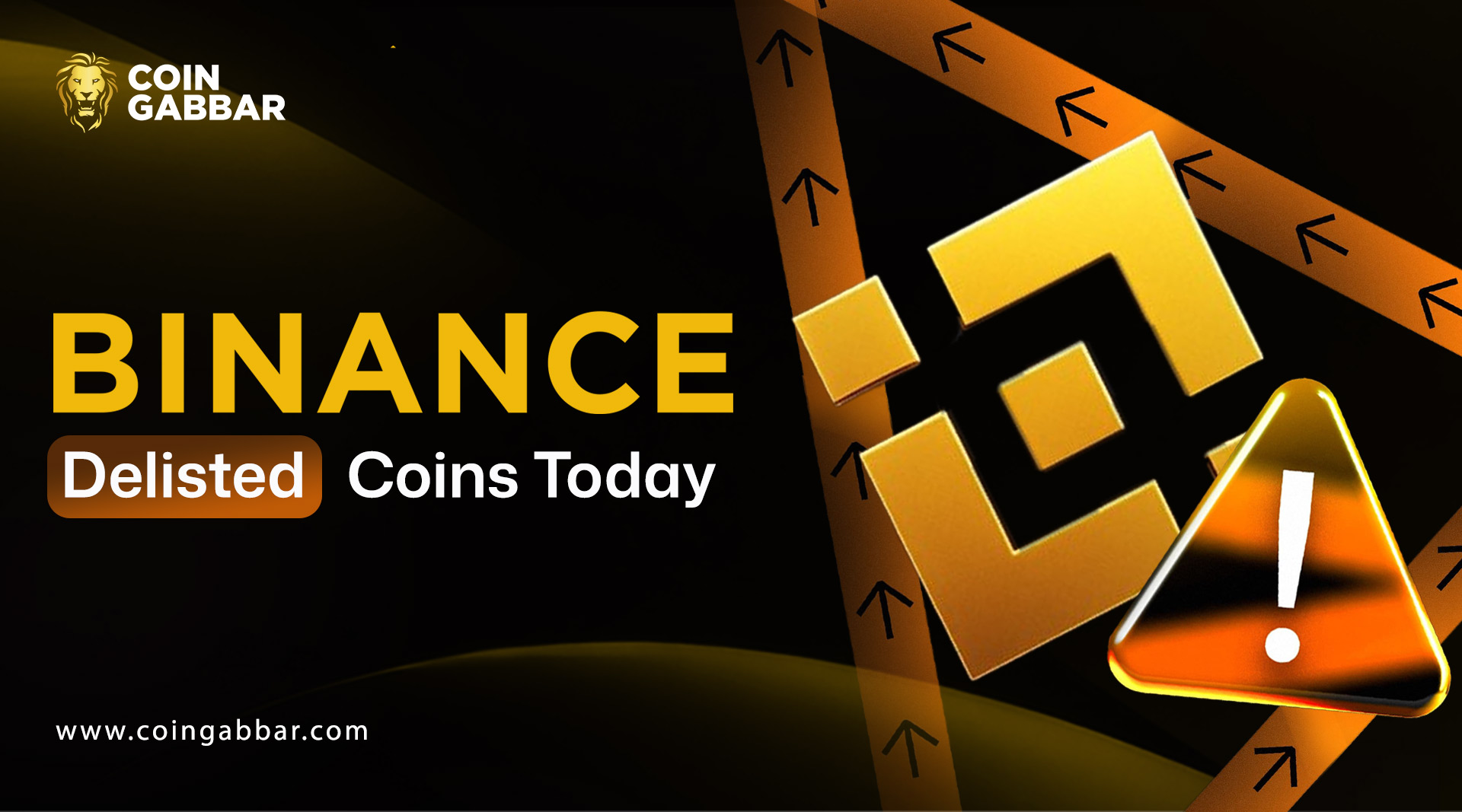
Binance Delistings Tokens Today: Key Updates
Binance is known for listing a wide variety of tokens, giving investors access to emerging projects and well-established assets. However, not all tokens remain listed indefinitely. Binance delists tokens for several reasons, including regulatory concerns, liquidity issues, or non-compliance with exchange standards. While this may seem concerning for some projects and investors, delistings are part of Binance’s effort to maintain a safe, compliant, and reliable trading environment for all users.
In this blog, we will explore why Binance delists coins, how the process works, and what it means for both projects and investors. Understanding the delisting process is essential for both new and experienced traders, as it helps you manage your portfolio, avoid unnecessary risks, and make informed trading decisions.
For projects, getting delisted from listing Binance exchange can severely affect your token's market position, liquidity, and visibility. For investors, knowing how to track delisted tokens and understanding the reasons behind their removal from Binance helps you stay ahead of potential market risks and adjust your portfolio.
Why Binance Delists Tokens
1. Non-Compliance with Regulations
One of the primary reasons Binance delists tokens is the failure to comply with regulatory standards. As cryptocurrency regulations evolve globally, exchanges listings like Binance must ensure they remain compliant with local and international laws. If a token fails to meet these regulatory requirements or becomes subject to regulatory scrutiny, it may be delisted to avoid legal complications.
For projects, ensuring that your token complies with global regulatory standards is crucial for maintaining long-term listing on Binance.
For investors, monitoring regulatory news and compliance announcements can help you anticipate potential delistings and manage risk.
2. Low Liquidity
Tokens that lack sufficient trading volume or liquidity are at risk of being delisted. Binance aims to provide a liquid market for all tokens listed on the platform. If a token experiences low trading activity, it can lead to poor market conditions and an unreliable trading environment for investors. This results in the token being delisted to ensure that Binance can maintain a stable and efficient platform.
For projects, maintaining an active community and high trading volume is crucial for retaining a listing on Binance.
For investors, understanding that low liquidity can lead to delisting helps you assess the long-term stability of a token listed on Binance.
3. Security and Technical Issues
Security is one of the top priorities for Binance, and tokens that are found to have security vulnerabilities—such as bugs, poor smart contract code, or vulnerabilities that could lead to exploitation—can be delisted to protect users from potential hacks or financial losses. Binance is committed to maintaining a secure trading environment, and tokens that pose security risks are removed to ensure the safety of the broader ecosystem.
For projects, conducting regular security audits and addressing technical issues promptly can help avoid delistings due to security concerns.
For investors, knowing that a token has been audited and secured reduces the risk of trading vulnerable assets.
4. Failure to Meet Binance’s Internal Standards
Binance has strict internal standards that every listed token must adhere to, including criteria related to project transparency, team accountability, and technical requirements. If a project fails to meet these standards or becomes non-responsive to Binance’s requests for updates or information, it may be delisted.
For projects, maintaining transparency, responsiveness, and providing regular updates can help ensure that your token meets Binance’s internal standards.
For investors, understanding that delisted tokens may indicate underlying issues with the project or its team helps you avoid investments that lack credibility.
Why Binance Delisted Tokens Understand the Risks, Stay Informed.
5. Market Manipulation and Fraud
Tokens that are suspected of being involved in market manipulation or fraudulent activities are at risk of being delisted from Binance. Binance takes a strong stance against pump-and-dump schemes and other forms of market manipulation, removing tokens that are associated with such activities to protect investors and maintain market integrity.
For projects, avoiding any involvement in manipulative practices and maintaining ethical trading practices is essential to avoid delisting.
For investors, staying aware of the signs of market manipulation can help you make more informed decisions and avoid trading in suspicious markets.
How the Delisting Process Works
1. Announcement of Delisting
When Binance decides to delist a token, the exchange typically announces the decision publicly. These announcements are made through Binance’s official channels, including social media, email notifications, and the Binance website. The announcement includes the delisting date and the final trading time for the token.
For projects, it’s essential to be aware of Binance’s delisting announcements and understand the reasons behind the decision. This gives you an opportunity to address any issues and attempt to resolve them before the token is removed.
For investors, following Binance’s announcements helps you stay ahead of any delistings and avoid being caught off guard by sudden market changes.
2. Final Trading Date
Once a token has been delisted, trading is typically suspended, and the token is removed from Binance’s platform. However, Binance often provides a grace period during which traders can still access the token to withdraw it to their personal wallets. After this period, the token is fully removed from the exchange.
For projects, ensuring that your community is informed about the delisting timeline helps manage expectations and prepare for the transition.
For investors, keeping track of the delisting date ensures that you can withdraw your assets before trading is suspended.
What to Do if a Token Is Delisted on Binance
1. Monitor Your Portfolio
If you hold tokens that are being delisted, it’s crucial to keep an eye on the announcement and delisting date. You should begin the process of withdrawing your tokens to a secure wallet or to another exchange before trading is completely halted.
For projects, staying in communication with your community during a delisting helps ensure that your investors are aware of how to safely handle their assets.
For investors, promptly withdrawing delisted tokens helps you avoid losing access to your holdings and ensures that you can manage your investments elsewhere.
2. Look for New Listings or Alternatives
If your token is delisted due to liquidity issues or other challenges, consider listing it on alternative exchanges or exploring other platforms that may be more suitable for your project. Binance typically provides a grace period during which projects can explore other options.
For projects, delisting doesn’t necessarily mean the end of your project, but it can serve as an opportunity to pivot to new platforms or rebuild your community.
For investors, consider diversifying your investments by exploring other tokens or exchanges if your holdings have been delisted from Binance.
Upcoming Binance Listings — Get Ahead of the Next Big Token Launches
Conclusion
Binance delistings are a crucial part of maintaining a safe, regulated, and reliable trading environment for all participants in the crypto market. For projects, getting delisted from Binance can have serious consequences, but it also provides an opportunity to reassess the project, address any underlying issues, and potentially explore new paths. For investors, staying informed about delistings and knowing how to manage delisted tokens can help you avoid unnecessary risk and ensure that your portfolio remains strong.
By understanding the reasons behind delistings, tracking Binance announcements, and taking the right steps to withdraw or diversify your holdings, both projects and investors can navigate the delisting process smoothly and maintain their positions in the dynamic cryptocurrency market.
Disclaimer
This content is for informational purposes only and should not be construed as financial or investment advice. Cryptocurrency trading involves significant risks, including the potential loss of capital. Always conduct thorough research and consult a financial advisor before making any investment decisions.