Latest NFT News Today – NFT Market, Digital Art & Web3 Updates 2026
Stay updated with the latest NFT news today, digital collectibles, NFT market trends, price movements, NFT marketplace news, Web3 projects, and digital art updates from around the world.





Latest NFT Crypto News
The NFT market is changing as new projects, gaming platforms, digital collectibles, and Web3 tools enter the space. NFTs are now used for more than digital art. They can also support games, memberships, rewards, tickets, and other digital assets.
Recent NFT trends include:
- New NFT marketplaces that support more than one blockchain
- Growth in digital art and limited NFT collections
- More NFT use in gaming, sports, rewards, and virtual assets
- AI tools that help creators build and manage NFT collections
- New rules and regulations for NFTs in different countries
Some NFT platforms are changing their plans or closing services. At the same time, other projects are adding new tools for NFT trading, creators, games, and digital ownership.
Brands are also looking at useful NFT features instead of simple collectibles. Some projects use NFTs for loyalty rewards, special access, gaming items, tickets, and online memberships.
These changes are helping the NFT ecosystem move toward more practical uses. They are also creating new choices for creators, collectors, gamers, and investors.
What Is an NFT in Crypto?
An NFT (Non-Fungible Token) is a unique digital asset stored on a blockchain. It can show who owns a certain digital or physical item.
Unlike cryptocurrencies such as Bitcoin, NFTs are not all the same. Each NFT can have its own image, features, history, rarity, and value.
Blockchain technology helps record NFT ownership and transfers. Many NFTs use standards such as ERC-721 or ERC-1155 on Ethereum and other compatible networks.
NFTs can represent many types of assets, including:
- Digital artwork
- Gaming items and characters
- Music and videos
- Digital collectibles
- Membership passes
- Virtual land and metaverse assets
- Tickets and digital rewards
NFT metadata may include an item's name, image, traits, or other details. The blockchain can then record which wallet owns the token.
These digital assets are often traded through NFT marketplaces. Users can connect a crypto wallet to buy, sell, mint, or transfer supported NFTs.
Blockchain technology is also being used for real-world assets such as shares, property, funds, and other financial products. These are often called tokenized assets.
Tokenized assets and NFTs are not always the same, but both can use blockchain technology to record ownership. Their legal rules can also differ from country to country.
NFT Marketplace News and Trends
NFT marketplace news is an important part of the wider NFT industry. These platforms help creators mint digital assets and allow users to buy, sell, and trade NFT collections.
Key NFT marketplace trends include:
- Multi-chain support for Ethereum, Solana, Polygon, and other networks
- Tools for creator royalties
- NFT gaming and metaverse collectibles
- Cross-chain NFT trading
- Wallet and digital asset tools
- Connections with DeFi and other Web3 apps
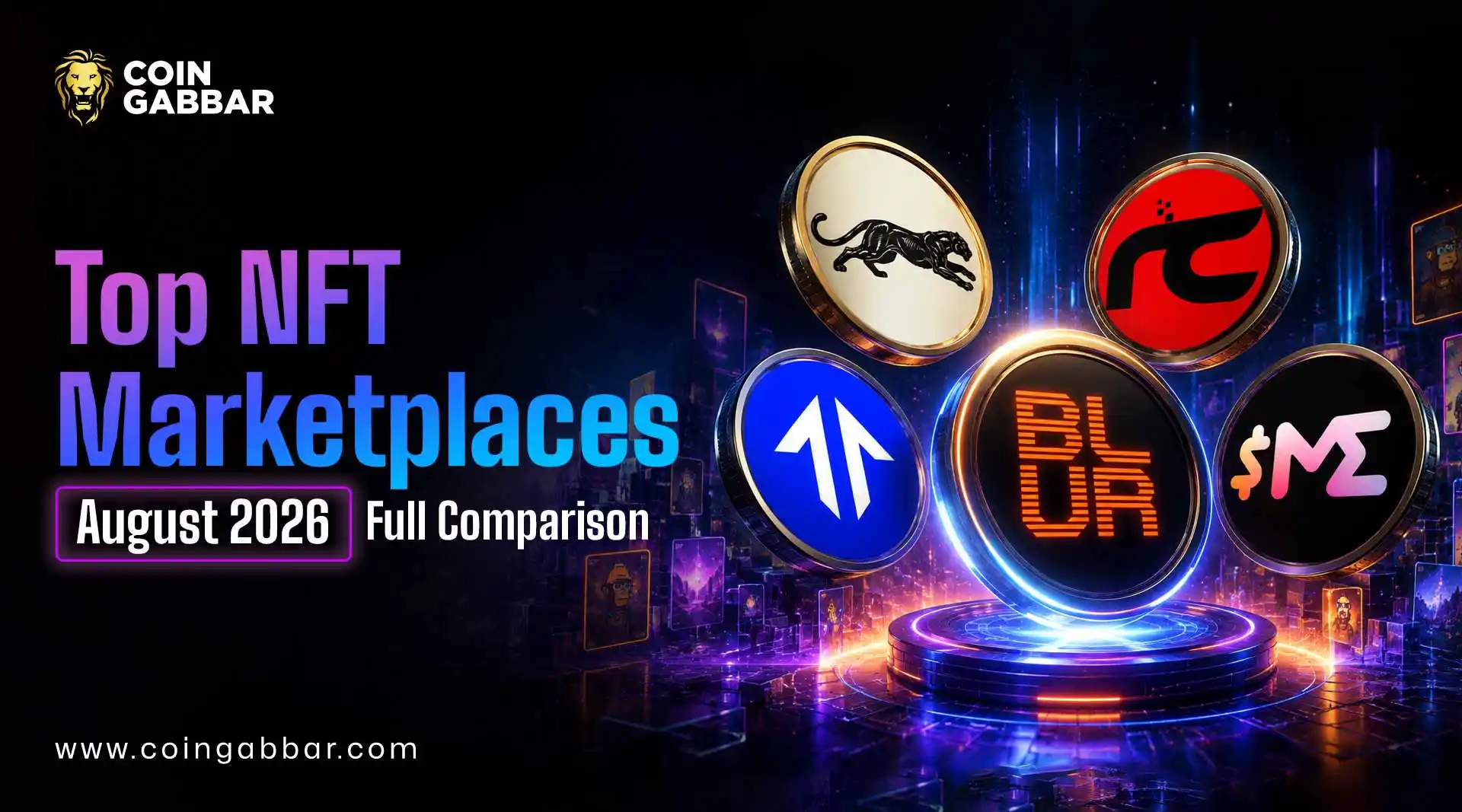
Well-known NFT marketplaces include OpenSea, Blur, and Magic Eden. Each platform may support different blockchains, NFT collections, fees, trading tools, and wallet options.
Some NFT marketplaces are moving beyond basic buying and selling. They may offer token trading, wallet tools, digital asset management, or decentralized exchange features.
The growth of the NFT marketplace sector shows how digital ownership is becoming part of the wider Web3 economy. New NFT collection launches and project updates can also increase marketplace activity.
Major NFT Networks and Collections
NFT activity takes place across several blockchain networks. Each network can offer different fees, speeds, marketplaces, games, and tools.
- Ethereum: A major network for NFT collections, digital art, and marketplaces
- Solana: A network used for lower-cost NFT trading, collectibles, and games
- Polygon: A blockchain used by brands, games, and Web3 applications
- Immutable: A blockchain ecosystem focused on Web3 gaming and digital assets
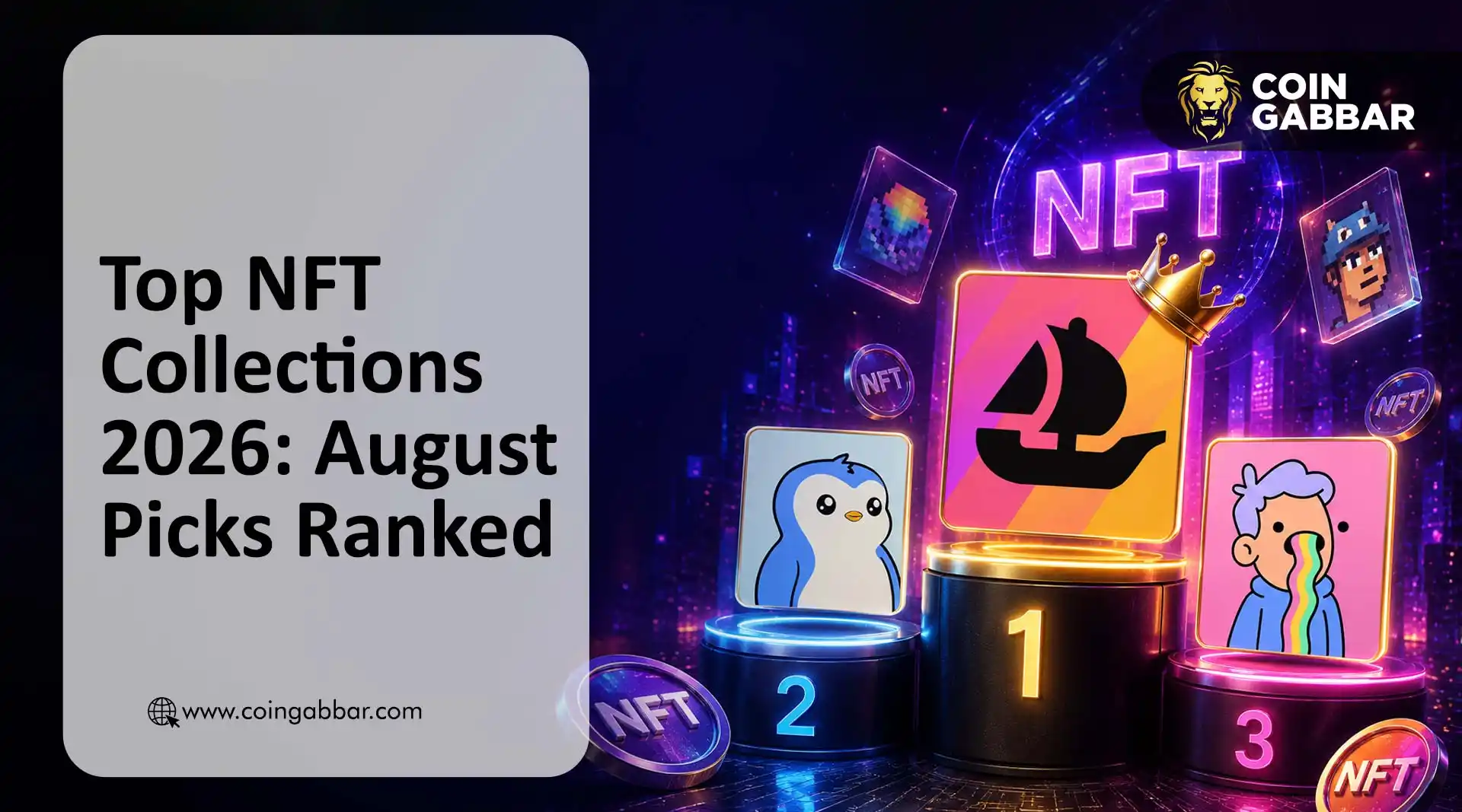
Popular NFT names have included CryptoPunks, Bored Ape Yacht Club, Pudgy Penguins, Azuki, and Doodles. Yuga Labs is also linked with several well-known NFT and Web3 projects.
These names can help readers follow NFT collection news and market activity. However, a popular brand or collection does not make an NFT safe or guarantee that its price will rise.
NFT Market Trends and Price Insights
The NFT market has changed a lot in recent years. Some collections have lost demand, while other projects continue to build games, communities, rewards, and new uses.
Important NFT market trends include:
- Utility-based NFTs for gaming and memberships
- Creator-led digital art projects
- Brand interest in digital collectibles
- Expansion of NFT gaming projects
- Cross-chain NFT marketplaces
- AI-powered NFT tools
NFT prices can change quickly. Trading volume, market demand, collection rarity, creator reputation, project news, and wider crypto market conditions can all affect NFT prices.
NFT liquidity also matters. An NFT may have a listed price, but that does not mean a buyer will be ready to pay that amount. Collections with low trading activity can be harder to sell.
Wider crypto market changes can also affect NFT trading. When users become more careful about risk, NFT demand and trading volume may fall.
Some NFT projects are responding by adding gaming features, AI tools, rewards, memberships, and real-world benefits. These features can make a project more useful, but they do not guarantee future value.
Tracking floor prices, sales volume, NFT trading activity, marketplace data, and project updates can give users a clearer view of market demand and sentiment.
Why NFT News Matters for Investors
Following NFT news can help investors and collectors understand market changes, new projects, and possible risks. Explore the latest updates to understand marketplace trends, new nft project launches, and changes in demand.
Benefits include:
- Market Insights: Learn how NFT prices, trading volume, and demand are changing
- Investment Opportunities: Find new collections and NFT projects for further research
- Creator Economy Growth: Track artists, game makers, brands, and digital creators
- Technology Innovation: Follow changes in wallets, blockchains, smart contracts, and Web3 tools
- Risk Awareness: Learn about scams, low liquidity, security problems, and new regulations
NFT news can also help users learn about creator royalties, digital ownership, tokenized assets, NFT regulations, gaming economies, and new Web3 applications.
News should only be one part of your research. Users should also check the project team, NFT utility, smart contract, marketplace activity, community, security, and official project information.
Crypto NFT Projects News
The NFT ecosystem continues to grow as developers build new games, creator tools, marketplaces, digital rewards, and Web3 platforms. Some New presale and blockchain projects may also include NFTs as part of a wider crypto ecosystem.
Important NFT project areas include:
- Gaming and play-to-earn ecosystems
- Music and creator platforms
- Metaverse assets and virtual land
- Brand loyalty programs
- Membership NFTs
- Sports and entertainment collectibles
- Digital identity and Web3 tools
Brands can now use simpler Web3 tools to create NFT collections and digital rewards. This means they do not always need to build every blockchain feature from the start.
Some brands use NFTs for loyalty programs, special access, event passes, virtual goods, or customer rewards. These uses can give NFTs a purpose beyond simple digital ownership.
Latest NFT Updates and Emerging Trends
New technology continues to change the NFT industry. Developers are testing new ways to create, store, trade, and use digital assets across different platforms.
Growing NFT sectors include:
- Digital art platforms
- NFT gaming assets
- Membership and loyalty NFTs
- Virtual real estate
- Cross-chain marketplaces
- AI-generated NFTs
- Interactive digital collectibles
AI is becoming part of some NFT creator tools. It can help with digital art, NFT metadata, collection management, and market research.
NFT gaming is another important area. Gaming NFTs may represent characters, skins, weapons, land, rewards, or other items linked to a blockchain wallet.
Cross-chain technology is also getting more attention. It may allow users to move or use digital assets across different blockchain networks.
Tracking crypto news today can help investors understand how Bitcoin, Ethereum, Solana, regulations, and the wider crypto market may affect NFT activity.
How to Check NFT News Before You Act
Not every NFT headline has the same value. Some news may affect one small collection, while other updates may affect a large marketplace or blockchain network.
Before acting on NFT news, users should check:
- Who made the original announcement
- Whether the project has official channels
- Which blockchain the NFT uses
- Whether the smart contract address is correct
- How much real trading activity the collection has
- What benefits or utility the NFT offers
- Whether ownership and royalty rules are clear
- Whether security checks or audits are available
Users should also know the difference between confirmed NFT news, rumors, sponsored claims, and price speculation. Checking more than one trusted source can reduce the chance of acting on false information.
NFT Security and Risk Awareness
NFT investments can carry high risk. Prices may rise or fall quickly, and some NFTs can be hard to sell.
Potential NFT risks include:
- High market volatility
- Low liquidity for some NFT collections
- Fake collections and copied artwork
- Phishing links and wallet scams
- Smart contract bugs
- Unverified project teams
- Projects that stop development
- Changing NFT regulations
- Loss of demand for a collection
Users should check wallet permissions before signing any blockchain transaction. A fake NFT website may try to gain access to tokens or other assets stored in a wallet.
NFT and tokenized asset rules may also differ by country. Regulations can affect how these assets are sold, promoted, taxed, traded, or owned.
Always research the project, team, utility, smart contract, NFT marketplace activity, security, and risks before investing or connecting a crypto wallet.
Disclaimer
The content on this page is for informational purposes only and should not be considered financial advice. NFTs and crypto assets can be highly volatile and may cause financial loss. While AI tools may assist with research and analysis, all information is reviewed by our editorial team before publication. Always conduct independent research before making an investment decision.




