BitMart Token Listing Requirements: What Projects Need to Know

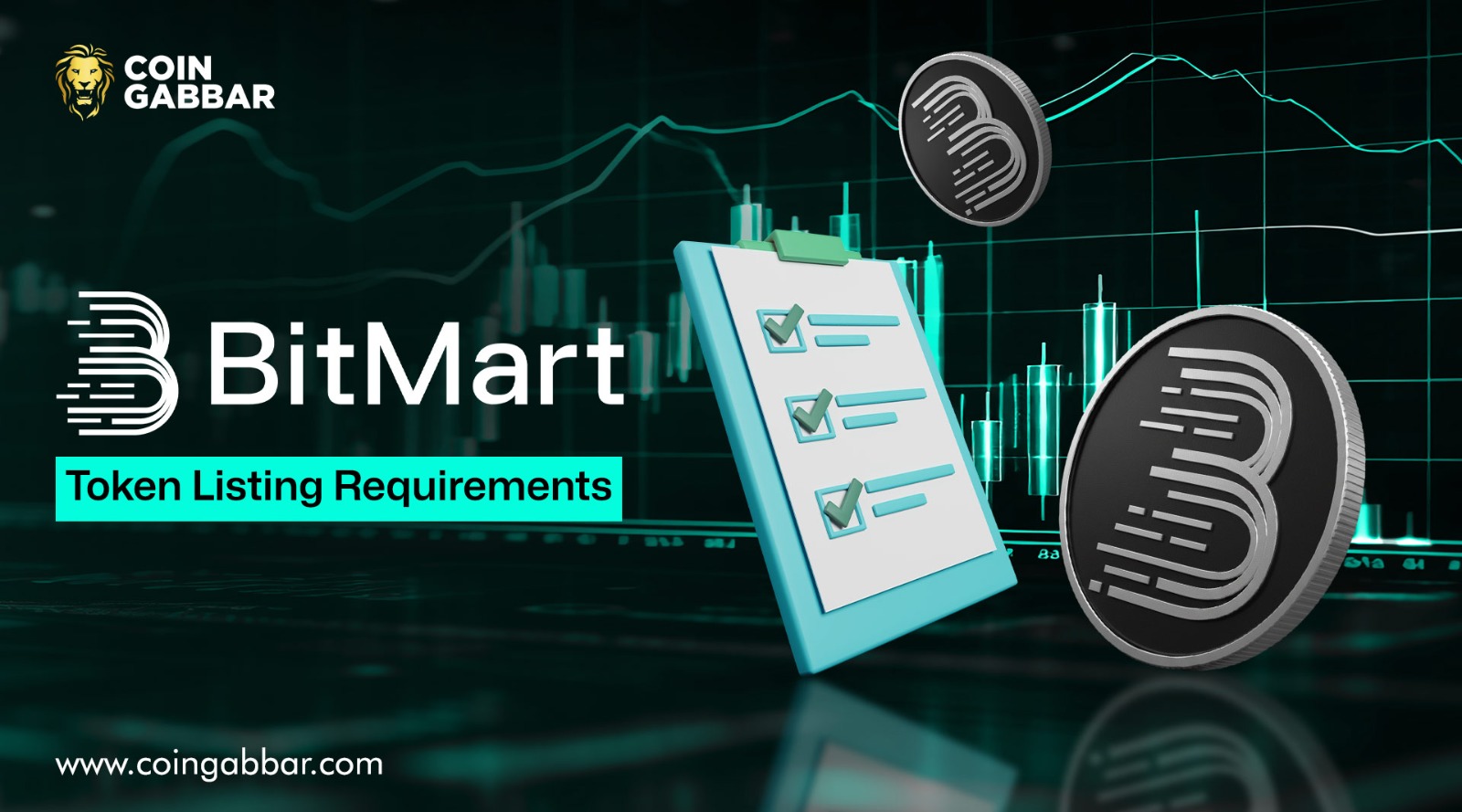
Eligibility Checklist for BitMart Token Listings Requirements
Understanding BitMart token listing requirements is essential for both token projects aiming to get listed and investors evaluating the quality of newly listed assets. While BitMart is known for onboarding a wide range of emerging crypto projects, listing approval is not automatic—and it doesn’t end once trading goes live.
For token projects, meeting BitMart’s listing requirements determines approval, launch quality, and long-term retention on the exchange Listing . Forinvestors, these requirements act as a baseline filter to assess credibility, risk, and sustainability.
This guide breaks down BitMart’s token listing requirements, explains how the evaluation process works, and highlights what both audiences should watch for.
Why BitMart Token Listing Requirements Matter
For Token Projects
-
Determines eligibility for listing
-
Impacts credibility with traders and partners
-
Reduces post-listing delisting risk
For Investors
-
Helps assess listing quality
-
Explains why some tokens get delisted
-
Improves risk management
Why BitMart Delisted Tokens
Core BitMart Token Listing Requirements
BitMart evaluates projects across multiple dimensions. Meeting one requirement alone is not sufficient.
1. Project Legitimacy and Transparency
BitMart expects clear, verifiable project information.
Key Expectations
-
Clear project overview and documentation
-
Identifiable team or responsible entity
-
Active official communication channels
For Token Projects
Anonymous or unverifiable teams face higher rejection risk.
For Investors
Transparent teams reduce rug-pull and abandonment risk.
2. Clear Use Case and Token Utility
Tokens must demonstrate a meaningful role within an ecosystem.
BitMart Looks For
-
Defined problem and solution
-
Practical token utility
-
Clear demand drivers
For Token Projects
Hype-only tokens struggle to gain approval.
For Investors
Utility-backed tokens tend to perform better long term.
3. Tokenomics and Supply Structure
Poor tokenomics are a leading cause of rejection or later delisting.
Evaluation Factors
-
Total and circulating supply
-
Vesting and unlock schedules
-
Emission and inflation model
For Token Projects
Uncontrolled unlocks create price instability.
For Investors
Hidden unlocks often lead to sudden dumps.
How Exchange Listings Affect Price
4. Liquidity Readiness
Liquidity is a non-negotiable requirement.
BitMart Expects
-
Sufficient initial liquidity
-
Balanced order books
-
Sustainable trading activity
For Token Projects
Artificial volume or wash trading increases delisting risk.
For Investors
Liquidity determines safe entry and exit.
5. Smart Contract Security
Security issues can block listings immediately.
Security Expectations
-
Secure smart contract design
-
Audit reports (strongly preferred)
-
No known critical vulnerabilities
For Token Projects
Unaudited or exploitable contracts raise red flags.
For Investors
Security flaws often lead to sudden delistings.
Is BitMart Safe for New Tokens?
6. Community and Market Interest
BitMart evaluates real engagement—not inflated metrics.
Signals Reviewed
-
Organic community growth
-
Active developer communication
-
Genuine user participation
For Token Projects
Fake followers or bots damage credibility.
For Investors
Healthy communities support long-term liquidity.
7. Legal and Compliance Considerations
Regulatory risk is increasingly important.
Common Checks
-
No obvious securities violations
-
Jurisdictional clarity
-
No sanctions exposure
For Token Projects
Ignoring compliance limits future exchange access.
For Investors
Regulatory delistings can impact multiple exchanges at once.
Additional Requirements for Futures Listings
Futures listings have stricter standards.
Extra Expectations
-
Strong spot market performance
-
Higher liquidity thresholds
-
Greater price stability
BitMart Futures Token Listings
What Happens If Requirements Are Not Maintained?
Meeting requirements gets a token listed—maintaining them keeps it listed.
Possible Outcomes
-
Monitoring status
-
Trading suspension
-
Full delisting
How Token Projects Can Improve Approval Chances
Best Practices
-
Publish clear, complete documentation
-
Conduct third-party audits
-
Prepare liquidity in advance
-
Maintain transparent communication
-
Avoid artificial trading activity
How Investors Should Use Listing Requirements
Investor Checklist
-
Review tokenomics carefully
-
Monitor liquidity health
-
Track team activity
-
Avoid hype-only projects
Understanding requirements helps investors avoid weak listings—even if trading is live.
Listing Requirements vs Long-Term Survival
Many projects fail after listing due to:
-
Inactivity
-
Liquidity collapse
-
Governance issues
A BitMart listing is a starting point, not a guarantee.
Conclusion
BitMart token listing requirements exist to protect users, ensure market integrity, and promote sustainable projects. For token projects, these requirements define the roadmap to successful exchange exposure. For investors, they provide a valuable framework for evaluating newly listed tokens.
Getting listed is an achievement—but staying listed requires continuous performance, transparency, and responsibility.
Disclaimer
This information is provided for general and educational purposes only and should not be considered financial, investment, or legal advice. Cryptocurrency projects and exchange listings involve risk. Always perform your own research and verify details through official sources before making any decisions.