How to Mint and Trade BRC-20 Tokens on Bitcoin Easily

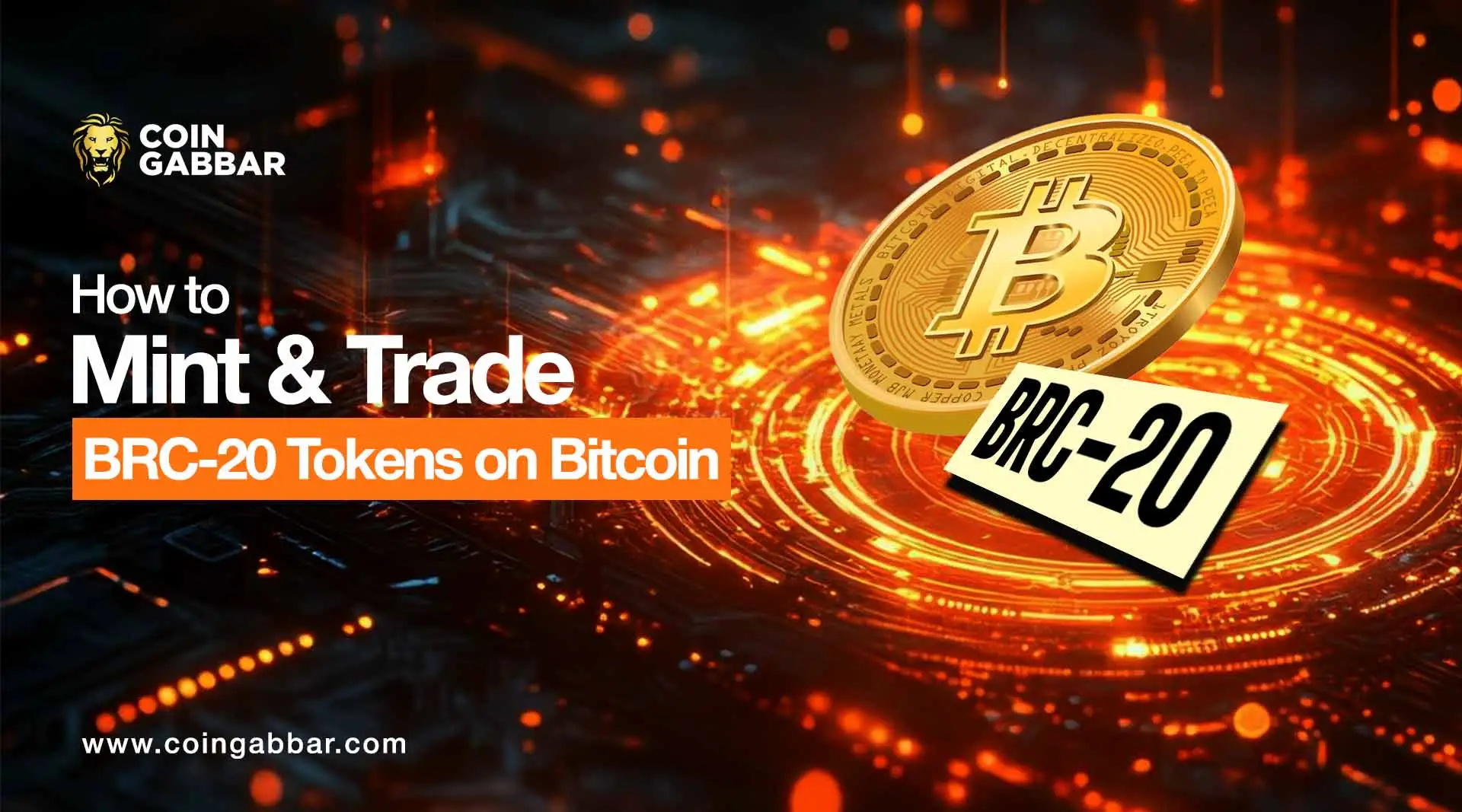
BRC-20 Tokens Explained With Minting Trading and Risks
Nobody thought Bitcoin would have a token standard. That was Ethereum's thing. Then Casey Rodarmor dropped Ordinals in early 2023, and suddenly people were inscribing JPEGs onto satoshis and arguing about whether that was genius or blasphemy. A few months later, a pseudonymous developer named Domo took that same idea and built BRC-20 (brc-20 tokens) on top of it, and the Bitcoin ecosystem hasn't been the same since.
Is it a bit hacky? Yes. Is it technically "real" token infrastructure the way ERC-20 is? Not really. Does any of that matter when ORDI went from nothing to a $1 billion market cap? Apparently not.
Here's how you can mint and trade Brc-20 tokens yourself.
What Even Is BRC-20
BRC-20 is an experimental token standard built on top of Bitcoin's Ordinals protocol. Ordinals let you inscribe arbitrary data, images, text, code, whatever onto individual satoshis. BRC-20 uses that ability to inscribe JSON text files that follow a specific format, and those inscriptions act as instructions: deploy a token, mint some supply, transfer it to someone.
There's no smart contract running this. No virtual machine. Just a bunch of nodes and indexers reading inscriptions in order and keeping track of who holds what. It's surprisingly functional for something so low-tech, and surprisingly fragile for the same reason.
The first BRC-20 token was ORDI, deployed by Domo in March 2023 mostly as an experiment. Then SATS came along, named after satoshis, with a total supply of 2.1 quadrillion (mirroring Bitcoin's 21 million BTC in satoshi terms). By mid-2023 the market had gone completely sideways with speculation, gas fees on Bitcoin were spiking to insane levels, and miners were quietly thrilled about the fee revenue.
What You'll Need Before You Start
Getting set up takes a little more effort than using MetaMask on Ethereum. Bitcoin wasn't designed for this, so the tooling is rougher around the edges.
You need a wallet that can handle Ordinals and BRC-20 tokens. UniSat Wallet is the most widely used option, it's a browser extension, works like MetaMask, and has built-in support for inscriptions and BRC-20 balances. Xverse is another solid choice if you want something a bit more polished.
You also need actual Bitcoin in that wallet. Not wrapped Bitcoin, not Bitcoin on another chain, real BTC on the Bitcoin mainnet. Inscriptions cost real fees, and during busy periods those fees can be genuinely painful. Always check the mempool before you start.
How to Mint a BRC-20 Token
Once your wallet is set up and funded, minting is more straightforward than it sounds.
Go to UniSat's marketplace on unisat.io. It has a built-in inscription tool that makes the technical stuff for you. Open the BRC-20 section and look for the token you want to mint, you'll see a list of deployed tokens, their total supply, how much has been minted so far, and the mint limit per inscription.
Click mint, enter the amount (within the per-transaction limit), and confirm. What you're actually doing is paying to inscribe a tiny JSON file onto a satoshi. That file looks something like this:
{ "p": "brc-20", "op": "mint", "tick": "ORDI", "amt": "1000" }
That's it. That's the whole thing. The inscription goes on-chain, indexers pick it up, your balance updates. If the total supply hasn't been fully minted yet, you're in. If it has, your inscription still goes through but it won't be recognized as valid — which is one of the rougher edges of this system. Always verify remaining supply before minting.
The fee you pay depends entirely on how congested the network is. During quiet periods you might pay a few dollars. During a minting frenzy you could pay $50 or more for a single inscription. Set your fee rate based on how urgently you need this confirmed, UniSat shows you current mempool conditions.
How to Trade BRC-20 Tokens
UniSat has its own marketplace where most BRC-20 trading happens. OKX's Web3 wallet and marketplace is another major venue. The process feels a bit clunkier than trading on an Ethereum DEX because there's no automated market maker here, it's an order book, and transfers require inscriptions.
To sell, you list your tokens at a price and wait for a buyer. To buy, you're essentially paying for someone's inscription to be transferred to you. Settlement happens on-chain, which means it's slow and involves fees every step of the way.
The liquidity is real but thinner than you'd find on Ethereum. Popular tokens like ORDI and SATS have decent volume. Most of the long tail of BRC-20 tokens trade very sporadically if at all.
The Risks Nobody Likes Talking About
BRC-20 is experimental in a way that ERC-20 is not. The entire system depends on off-chain indexers correctly reading and interpreting inscriptions. If indexers disagree, balances will be inconsistent across platforms. There's no canonical on-chain state the way a smart contract gives you.
Runes is a simpler way to create tokens on Bitcoin. Casey Rodarmor launched it in April 2024 as a cleaner alternative to BRC-20. Instead of using a more complicated setup, Runes works with Bitcoin’s own transaction system. That makes it feel more natural to Bitcoin and helps reduce extra clutter on the network.
Runes is cleaner technically and has been gaining traction. Whether BRC-20 retains its position or gradually loses ground to Runes is an open question.
And then there's just the speculation risk. Most BRC-20 tokens have no utility. They exist because people thought other people would buy them. Some did extremely well. Most didn't.
Is It Worth It?
BRC-20 proved something important, Bitcoin's community is more creative and more willing to experiment than its reputation suggests. Whether that experiment matures into something durable or stays a footnote is genuinely unclear.
If you're curious, the best way to learn is to try minting something small during a low-fee period. Just go in knowing exactly what you're holding and why.
Conclusion
BRC-20 tokens have opened a chapter for Bitcoin. They show that token activity can exist on the Bitcoin network without contracts.
The process is still complicated. There are risks, especially with fees, liquidity and dependence, on indexers.
For users who want to explore Bitcoin-based tokens BRC-20 is a starting point. Runes is coming up as an alternative to keep an eye on.
BRC-20 tokens are still important. Bitcoin-based tokens are worth exploring.
Disclaimer
This blog is only for educational purpose only and should not be cconsidered as a financial advice.
Also read: