Key Differences Between Centralized and Decentralized Listings

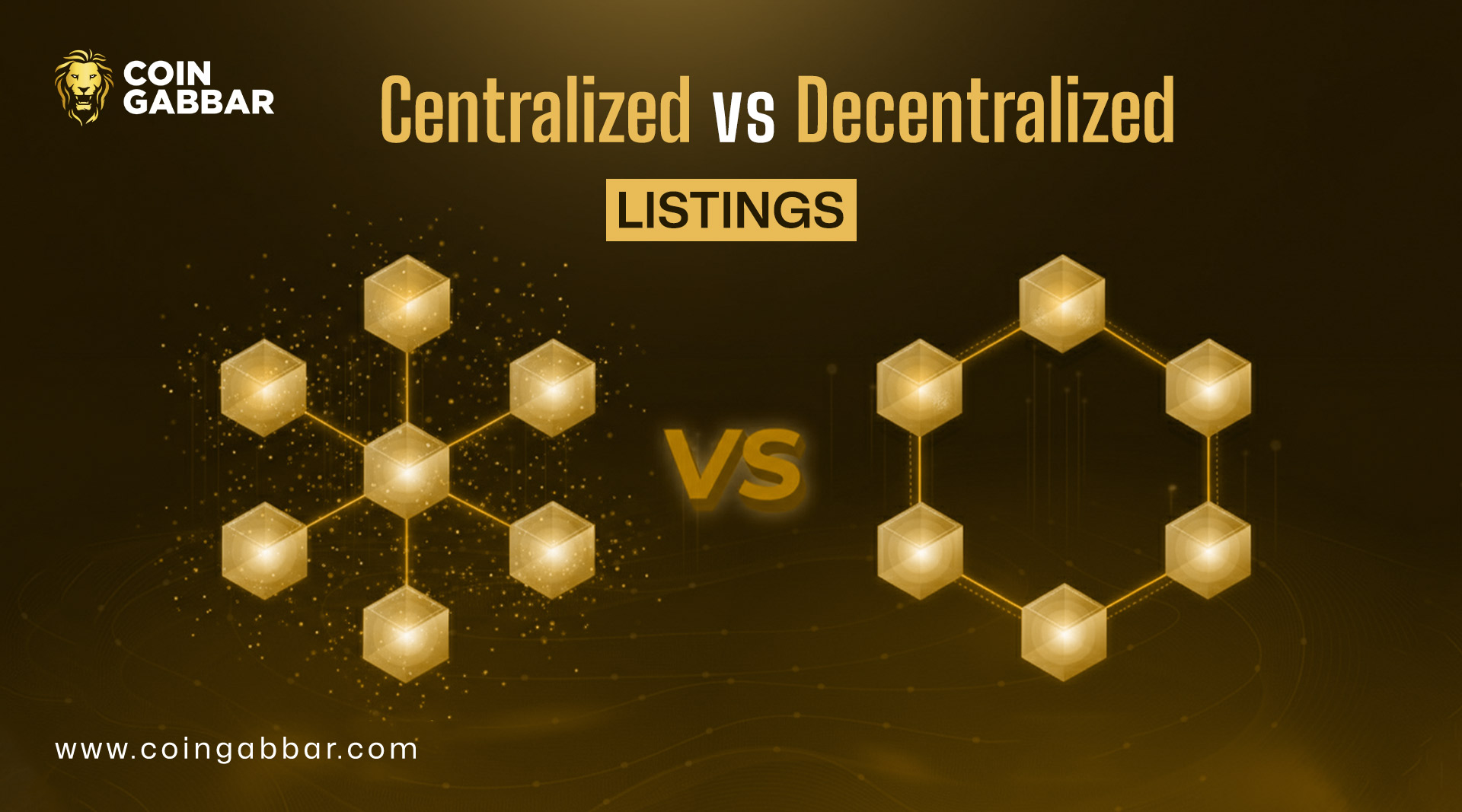
Centralized and Decentralized Listings Crypto Explained
Every crypto exchange listing falls into one of two categories: centralized listings (CEX) or decentralized listings (DEX). While both allow tokens to be traded publicly, they operate very differently and attract different types of investors, traders, and projects.
For investors, understanding the difference between centralized vs decentralized listings helps manage risk, security, and liquidity expectations. For projects, choosing the right listing path can determine visibility, credibility, and long-term success after launch.
This guide explains centralized vs decentralized listings, how they work, their advantages and disadvantages, and when each makes sense in the lifecycle of new token listings.
What Is a Centralized Exchange Listing?
A centralized exchange listing happens when a token is listed on a custodial exchange operated by a company. The exchange manages:
User accounts
Order books
Liquidity
Security controls
Most retail traders interact with crypto through centralized exchanges.
Key Features of Centralized Listings
Custodial wallets
KYC requirements
Order-book trading
Customer support
Centralized listings are often perceived as more trustworthy due to vetting processes.
Spot vs Futures Listings Spot or Futures — Know the Difference.
What Is a Decentralized Exchange Listing?
A decentralized exchange listing allows a token to be traded directly on-chain using smart contracts. There is no intermediary controlling funds or trades.
DEX listings rely on:
Liquidity pools
Automated market makers (AMMs)
Wallet-based trading
Anyone can usually list a token on a DEX by creating a pool.
Key Features of Decentralized Listings
Non-custodial trading
No KYC
Permissionless access
Wallet-to-wallet swaps
DEX listings offer freedom—but also higher responsibility.
Centralized vs Decentralized Listings: Core Differences
1. Listing Process and Control
Centralized Listings
Require exchange approval
Formal application process
Due diligence checks
Decentralized Listings
Permissionless
No approval needed
Anyone can create liquidity
For projects, centralized listings signal legitimacy. For investors, DEX listings require deeper due diligence.
How to Identify Genuine Listings Verify Before You Invest
2. Security and Custody
Centralized Exchanges
Hold user funds
Security handled by exchange
Risk of exchange hacks
Decentralized Exchanges
Users control their own wallets
Smart contract risk
No recovery if funds are lost
Security shifts from platform risk to user responsibility on DEXs.
3. Liquidity and Trading Experience
Centralized Listings
Higher liquidity
Tighter spreads
Faster execution
Decentralized Listings
Liquidity depends on pools
Slippage can be high
Price impact varies
For new token listings, liquidity is usually stronger on centralized exchanges.
4. Listing Costs and Barriers
Centralized Listings
Listing fees
Compliance costs
Marketing expectations
Decentralized Listings
Low or zero listing cost
Liquidity provision required
Gas fees apply
DEX listings are cheaper but provide less visibility.
5. Regulation and Compliance
Centralized Exchanges
Follow regulations
Enforce KYC/AML
Can delist tokens
Decentralized Exchanges
Mostly unregulated
No KYC
Tokens rarely delisted
Regulation increases trust but reduces flexibility.
How Listings Affect Investor Behavior
Centralized Listing Investors
Prefer ease of use
Trust exchange screening
Often long-term oriented
Decentralized Listing Investors
More risk-tolerant
Early-stage hunters
Higher scam awareness required
Different listings attract different market psychology.
Price Behavior: CEX vs DEX Listings
Centralized Listings
Big launch volatility
Strong volume spikes
Better price discovery
Decentralized Listings
Thin liquidity early
Easy manipulation
Large price swings
DEX prices often stabilize only after broader adoption.
How to Trade Listing Volatility Volatility Isn’t Risk — It’s Opportunity
Which Is Better for New Token Listings?
Centralized Listings Are Better If:
Project wants credibility
Long-term growth is priority
Targeting retail investors
Decentralized Listings Are Better If:
Early testing phase
Community-driven launch
Limited budget
Many successful projects start on DEXs and later move to CEXs.
Risks Unique to Decentralized Listings
Fake liquidity pools
Rug pulls
Copycat tokens
No customer support
DEX freedom increases responsibility.
Risks Unique to Centralized Listings
Exchange custody risk
Sudden delistings
Withdrawal freezes
Even reputable platforms carry operational risk.
How Exchange Listings Impact Market Cap New Exchange Listings, Bigger Market Moves
Hybrid Listing Strategies
Some projects use both:
DEX for early access
CEX for mainstream adoption
This staged approach balances flexibility and trust.
How Investors Should Choose Between CEX and DEX Listings
Ask yourself:
Can I verify the project?
Is liquidity sufficient?
Am I comfortable with self-custody?
What is my risk tolerance?
Strategy should match experience level.
Conclusion
The choice between centralized vs decentralized listings is not about which is better—it’s about context and goals. Centralized listings prioritize trust, liquidity, and user experience, while decentralized listings emphasize freedom, early access, and permissionless innovation. Investors should align risk tolerance with listing type, and projects should choose platforms that support their growth stage and vision.
In crypto, the listing venue shapes not just price—but perception.
Disclaimer
This article is for informational and educational purposes only and does not constitute financial, investment, or legal advice. Centralized and decentralized platforms carry different risks, including custody loss, smart contract failures, and market volatility. Readers should independently research platforms and assess personal risk before trading or investing.