Difference Between CEX and DEX Listings in Crypto

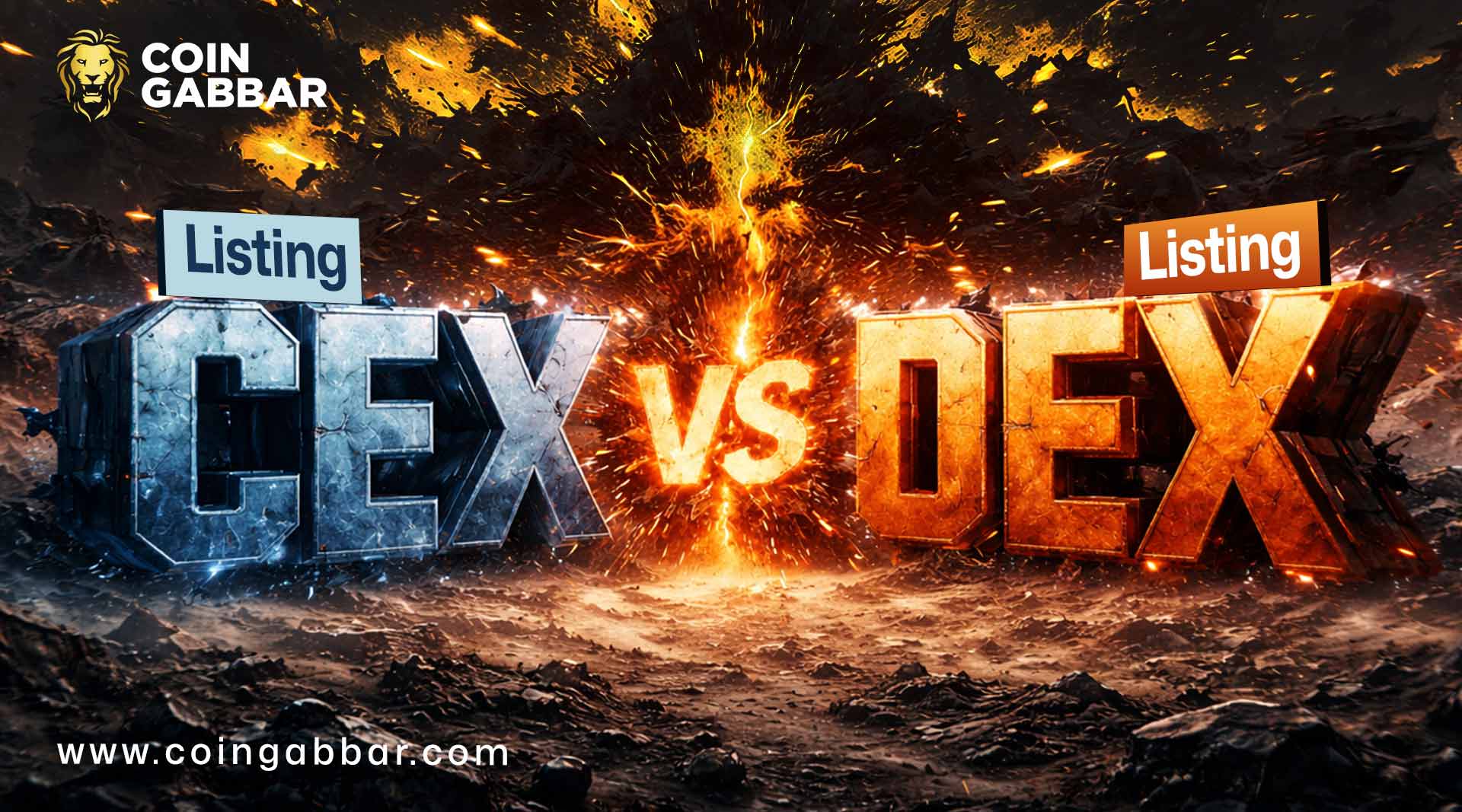
CEX and DEX Listings: Key Differences Explained
When it comes to listing a cryptocurrency or token on an exchange, token projects and investors need to understand the differences between centralized exchanges (CEX) and decentralized exchanges (DEX). Each type of token exchange offers distinct advantages and challenges, and the choice of exchange can significantly impact a token's market success.
In this blog, we will break down the key differences between CEX vs DEX listings, how they impact token projects, and what investors need to consider when trading on these platforms.
What is a Centralized Exchange (CEX)?
A centralized exchange (CEX) is a platform where transactions are managed by a centralized authority or company, such as Binance, Coinbase, or Kraken. In a CEX, the exchange itself is responsible for the custody of funds, facilitating trades, and ensuring security.
-
For Token Projects:
Listing a token on a centralized exchange provides high visibility and liquidity. The exchange typically provides robust customer support, security, and a large user base, which can help drive the token's price and adoption.
-
For Investors:
Investors benefit from the convenience of centralized exchanges, as they offer high liquidity, fast transactions, and a user-friendly interface. However, they do rely on the exchange to secure funds, and exchanges can be vulnerable to hacking or internal issues.
"What Is a Crypto Exchange Listing?" for foundational knowledge about exchange listings and how CEXs operate.
What is a Decentralized Exchange (DEX)?
A decentralized exchange (DEX), such as Uniswap or SushiSwap, operates without a central authority. These exchanges are built on blockchain networks and allow users to trade directly with one another (peer-to-peer). DEXs do not control users’ funds, as they are kept in personal wallets, and all transactions are recorded on the blockchain.
-
For Token Projects:
Listing a token on a DEX allows token projects to enter the decentralized finance (DeFi) ecosystem and reach a different market segment. DEXs often require fewer regulatory barriers and can list tokens quickly without the need for extensive vetting.
-
For Investors:
Investors using DEXs have more control over their funds, as they are stored in their personal wallets. Transactions are peer-to-peer, and users retain full ownership of their assets. However, DEXs may have lower liquidity than CEXs, and trading fees can be higher due to network congestion.
"Spot vs Futures Listings Explained" to help readers understand the trading environments in both CEX and DEX listings.
CEX vs DEX Listings: Key Differences
Here’s a quick comparison of CEX and DEX listings to highlight their distinct characteristics:
| Feature | Centralized Exchange (CEX) | Decentralized Exchange (DEX) |
| Control | Controlled by a centralized entity | Decentralized, peer-to-peer trading |
| Security | Relies on exchange’s security measures | Users retain control of their funds (self-custody) |
| Liquidity | Generally higher liquidity due to large user base | Lower liquidity compared to CEX, but growing with DeFi |
| Trading Fees | Fees vary, typically lower for large trades | Higher fees due to blockchain gas costs |
| Listing Process | Requires an application, review, and approval | Faster and less regulated; tokens can be listed directly |
| Regulatory Compliance | Strict KYC/AML regulations | Fewer regulatory requirements |
Benefits and Drawbacks of CEX Listings
For Token Projects:
-
Benefits: Listing on a CEX provides token projects with high exposure, credibility, and liquidity. It’s easier for token projects to gain institutional support and attract large-volume traders.
-
Drawbacks: The listing process on CEXs can be lengthy and costly, and the exchange has full control over the process, including whether or not the token will be delisted in the future.
For Investors:
-
Benefits: Investors on CEXs benefit from high liquidity, fast order execution, and security measures provided by the platform. It’s easier to buy and sell large amounts of tokens.
-
Drawbacks: Investors are not in full control of their funds, as the exchange holds them. The exchange may also impose withdrawal limits or other restrictions.
"How Exchange Listings Affect Price" to explain how CEX listings can influence token prices and trading volume.
Benefits and Drawbacks of DEX Listings
For Token Projects:
-
Benefits: Token projects listed on a DEX have quick listing options with fewer regulatory barriers. DEXs also tap into the DeFi ecosystem, which has seen substantial growth in recent years.
-
Drawbacks: Token projects may face lower liquidity, which could make their token less attractive to investors. There is also a higher chance of price manipulation due to lower trading volumes.
For Investors:
-
Benefits: Investors can trade directly from their wallets without relying on an intermediary, offering more control over their funds. DEXs are also a great option for trading tokens that may not be available on CEXs.
-
Drawbacks: Investors may encounter higher fees due to blockchain gas costs, and liquidity can be an issue, especially for less popular tokens.
"How to Track New Crypto Listings" to explore how investors can keep track of new listings on DEXs and CEXs.
Conclusion
Understanding the differences between CEX vs DEX listings is essential for both token projects and investors. CEX listings offer higher liquidity, security, and a broader market reach, but they come with more stringent requirements and higher costs. DEX listings, on the other hand, provide more decentralized control, faster listing processes, and less regulatory oversight, but with the trade-off of lower liquidity and higher fees.
For token projects, the choice between CEX and DEX listings will depend on their goals—whether they seek mainstream exposure or prefer to maintain decentralization and speed. For investors, choosing between CEXs and DEXs will depend on their risk tolerance, desired control over funds, and trading preferences.
Disclaimer
This content is provided for informational and educational purposes only and does not constitute financial, investment, trading, or legal advice. Cryptocurrency markets are highly volatile, and trading on both centralized (CEX) and decentralized exchanges (DEX) involves significant risk. Readers should conduct their own independent research and consult with qualified financial or legal professionals before making any investment or trading decisions. The author and publisher are not responsible for any losses incurred based on the information presented in this article.
Also read: