7 Crypto Presale Rug Pulls Signs Every Investor Must Know

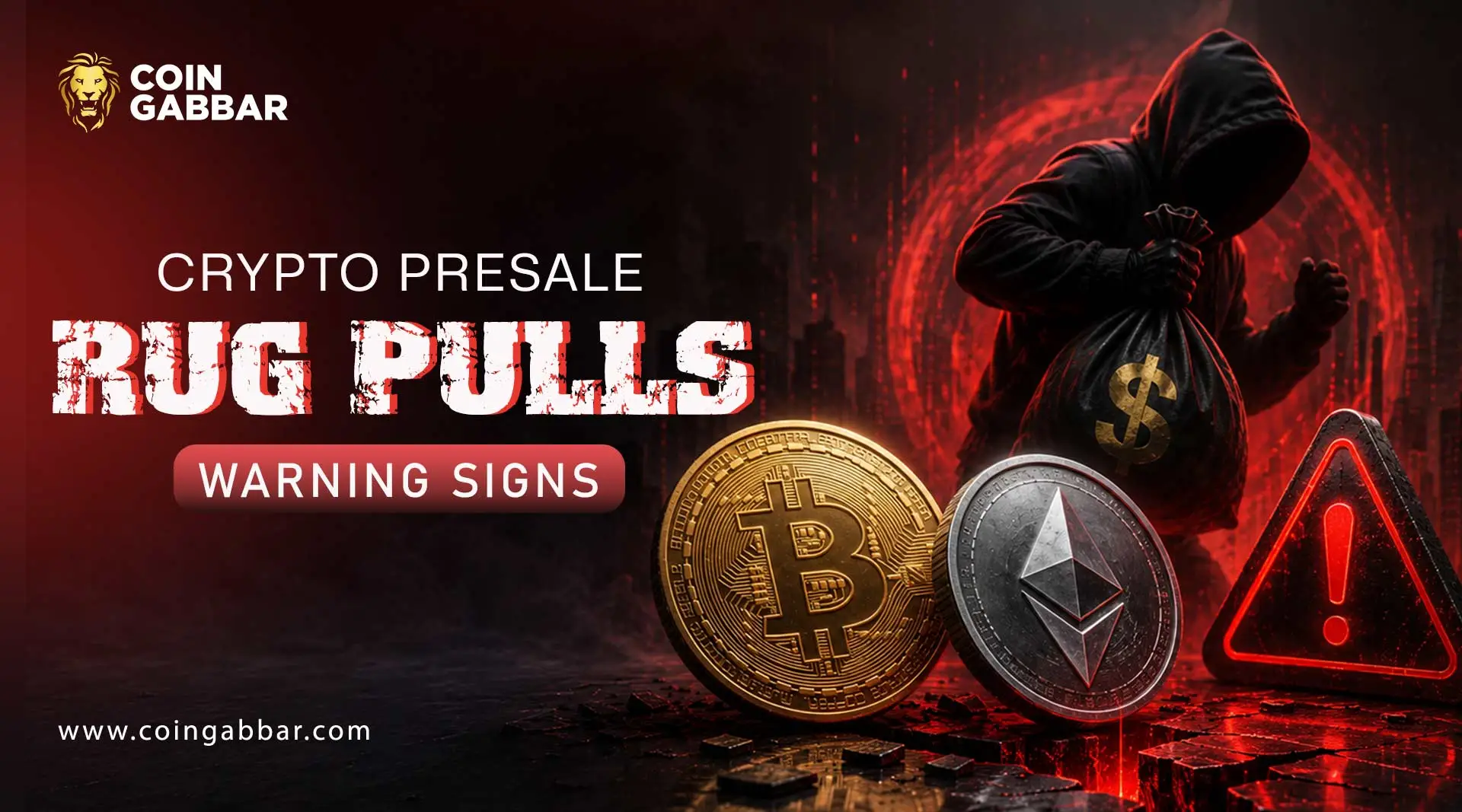
Spotting Presale Rug Pulls 2026: 7 Red Flags Every Investor Must Check
This week, BG Wealth Sharing Ltd. collapsed. Withdrawals were frozen. US federal authorities seized its primary web domain. Canadian regulators issued public warnings. An estimated $100 million in investor funds is at risk, and the platform had already been flagged as a Ponzi scheme by the Philippine SEC months earlier.
At the same time, a phishing domain called rugpullrun.app was flagged by PhishDestroy this week, a fake presale site designed specifically to drain wallets.
This is not a rare event. Crypto presale rug pulls are the single most common way investors lose money in early-stage crypto. The pattern is consistent: project launches, raises money, team disappears — or the token crashes immediately with no way out.
Most guides tell you what a rug pull is. This guide tells you exactly how to check before you send a single dollar with specific tools, specific questions, and real red flags that others skip.
What Is a Rug Pull?
A rug pull happens when a crypto project's team raises money from investors and then either disappears with it or creates conditions where investors can't sell while the team cashes out. According to CoinLaw, there are three types:
Hard rug pull: Team vanishes overnight with all funds
Soft rug pull: Team slowly dumps tokens while investors are still buying
Exit scam: Project creates a fake "fee" or restriction to prevent withdrawals (exactly what BG Wealth did with its 12% "tax" exit demand before collapsing)
Knowing the type matters because each one has different early warning signs. Here's how to identify fake crypto presales before they identify your wallet.
The 7-Point Presale Rug Pulls Checklist
Use this on every presale before investing. Not some of it — all of it.
Red Flag #1: Anonymous Team With No Verifiable History
This is the most reliable signal for red flags in crypto presales. A team that won't show its face is a team that plans to disappear.
What to check:
Do founders have LinkedIn profiles with real employment history?
Are GitHub accounts active with real commit history — not created last month?
Has the team done public AMAs or video interviews?
Does the team page show real photos, or AI-generated faces?
What scams do: Use fake names, stock photos, or vague bios like "10 years in blockchain." Run reverse image searches on any team photo. If nothing comes back, that's a problem.
Legitimate projects do: Have doxxed founders, public social media histories, and verifiable past work — even if pseudonymous, they have consistent on-chain activity that traces back years.
Red Flag #2: No Smart Contract Audit, or a Fake One
An audit is not optional. It is the minimum bar. But here's what most guides don't tell you: fake audits exist.
What to check:
Go directly to the auditor's official website (CertiK at certik.com, SolidProof at solidproof.io, Sherlock at sherlock.xyz)
Search for the project by name in their audit database
Check the audit date — an audit from 12 months ago doesn't cover contract changes made last week
What scams do: Display fake audit badges, link to PDFs they wrote themselves, or show audits from unknown firms with no verifiable track record.
One more thing others don't mention: Check if the contract has a proxy upgrade pattern. This lets the team replace the contract after launch making your pre-audit useless overnight. Legitimate projects use time-locked upgrades or no upgrades at all.
Red Flag #3: Insider Token Allocation Above 20%
Tokenomics is where how to spot a crypto scam presale gets quantitative. Numbers don't lie — but they can be hidden.
What to check:
What percentage goes to the team and advisors? Anything above 15–20% is a risk signal
What is the vesting schedule? No vesting = team can sell immediately at listing
Is there a cliff period before team tokens unlock? (Should be minimum 6–12 months)
Are presale tokens fully unlocked at TGE? (Means immediate sell pressure on listing day)
The BG Wealth pattern: No public tokenomics at all. When investors asked, they got vague answers. That vagueness is itself the red flag.
Red Flag #4: Locked Liquidity? Check It Yourself
When a project says "liquidity is locked," verify it. Don't take their word for it. 4th red flag in presale rug pulls checklist.
What to check:
Use Team Finance or Unicrypt to verify the lock
Check how long it's locked — 30 days is meaningless, 12+ months is meaningful
Check what percentage of total liquidity is locked — locking 10% while keeping 90% free is not a lock
What scams do: Lock a small, symbolic amount of liquidity while keeping the majority accessible. Or use a custom lock contract they wrote themselves.
Red Flag #5: Domain Age Under 6 Months and No Social History
The rugpullrun.app domain flagged by PhishDestroy this week is a perfect example. Scam sites are built fast — registered days or weeks before launch, with no history.
What to check:
Use whois.domaintools.com to check domain registration date
Check the project's Twitter/X account — when was it created? How many posts before the presale announcement?
Check if the same content appears on multiple domains (copy-paste scam sites)
Look for the project on Wayback Machine — legitimate projects leave a trail
Minimum threshold: Domain older than 6 months. Social accounts with real engagement history. Community that existed before the presale, not because of it.
Red Flag #6: No Way to Sell (Hidden Sell Restrictions)
This is one of the most dangerous and least-discussed red flags in crypto presales. Some smart contracts allow buying but block or tax selling so heavily that exits are impossible.
What to check:
Read the contract's sell function on Etherscan or BscScan — look for conditions that restrict sell transactions
Check the sell tax — anything above 10% is a warning sign. Above 25% is a trap
Test with a small amount before committing more capital
Use Token Sniffer or Honeypot.is to run automated honeypot detection
What BG Wealth did: Demanded a 12% exit fee from investors who tried to withdraw. The fee was the mechanism that kept money inside while the team extracted it.
Red Flag #7: Pressure, Urgency, and "Closing Soon" Language
Legitimate projects don't beg. How to identify a fake crypto presale often comes down to the emotional temperature of its marketing.
What to check:
Is every message about urgency — "only 2 hours left," "last chance," "closing tonight"?
Are promised returns specific and guaranteed — "earn 300% in 30 days"?
Is the project attacking critics rather than answering questions?
Does the Telegram group delete questions about audits or team identity?
The rule: Real projects answer hard questions. Scams delete them. these were the 7 red flags that tells crypto presale rug pulls.
Quick Reference: The 7-Point Presale Rug Pull Checklist
# | Check | Tool to Use | Pass Signal |
1 | Team identity | LinkedIn, Google reverse image search | Real names, verifiable history |
2 | Smart contract audit | certik.com, solidproof.io, sherlock.xyz | Audit in database, recent date |
3 | Token allocation + vesting | Whitepaper + tokenomics page | Team <20%, 6–12 month cliff |
4 | Liquidity lock | team.finance, unicrypt.network | 12+ months, majority locked |
5 | Domain + social age | whois.domaintools.com | 6+ months, organic community |
6 | Sell restrictions | honeypot.is, tokensniffer.com | No honeypot, sell tax <10% |
7 | Marketing tone | Telegram, Twitter/X | Questions answered, no panic urgency |
What to Do If You've Already Invested in a Suspected Scam?
If withdrawals are frozen or communication has gone silent, act fast:
Document everything: screenshots of the website, contract address, transaction history
Report to your country's financial regulator: in the US, file with the CFTC or SEC; in the Philippines, file with the SEC
Report the domain: use PhishDestroy or Google Safe Browsing
Alert the community: post the contract address on Token Sniffer and warn others in relevant Telegram groups
Recovery of funds from crypto presale rug pulls is rare — which is exactly why the checklist above exists. Prevention is the only reliable protection.
Final Thought
The BG Wealth collapse and the rugpullrun.app domain flagged this week are not isolated events. They are the weekly reality of the presale market in 2026.
The crypto presale rug pulls checklist above takes about 20–30 minutes to run on any project. That's 20 minutes that can protect months of savings. Run every presale through it — including the ones that look clean, pass the first three checks, and come recommended by influencers you follow.
Disclaimer: Even audited, verified-looking projects carry real risk. Never invest more than you can afford to lose completely.