Ethereum Staking on Lido in 2026: Easy Step-By-Step Guide

Ethereum Staking on Lido in 2026: Steps, Rewards, Risks Explained
If you want to understand how to stake Ethereum Lido 2026, Lido offers one of the easiest routes. You connect a wallet, deposit ETH, and receive stETH, which keeps tracking your staking position. Lido’s official pages show that staking rewards are variable, and its calculator listed Ethereum staking APR at about 2.38% on April 13, 2026.
This guide is built for users searching how to stake ethereum in a simple way. It covers wallet setup, ETH deposit, stETH, reward math, risks, tax basics, and the unstaking flow.
What Lido Does?
Lido is a liquid staking protocol for ethereum staking. Instead of running your own validator, you stake ETH through Lido and receive stETH in return. Ethereum.org says pooled staking lowers the entry barrier because solo staking still needs 32 ETH and more technical work.
That is the key appeal of this Lido / ETH Staking guide. You keep exposure to ETH staking rewards without managing validator hardware, client software, or uptime yourself.
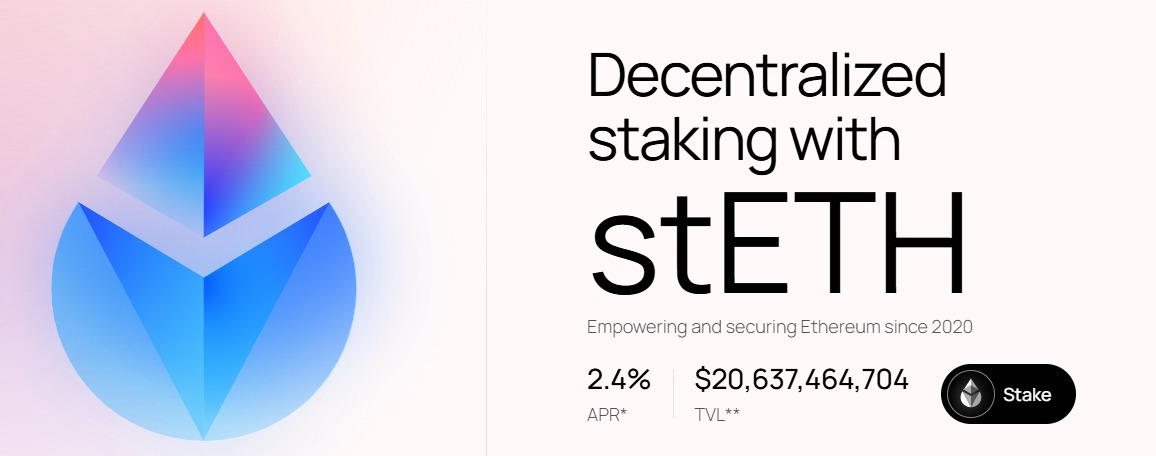
Source: Lido Website
What You Need Before You Start?
Before starting ethereum staking, make sure you have:
a wallet like MetaMask or another supported wallet
ETH in that wallet
extra ETH for gas fees
the official Lido staking page at stake.lido.fi
Always use the official site. This is a money task, so checking the URL matters more than speed.
Step 1: Connect Your Wallet
Open the Lido staking widget and press Connect Wallet. Accept the terms, choose your wallet, and confirm the connection. Lido says mobile users can also connect through WalletConnect by scanning the QR code in their wallet app.
Once the wallet is linked, the widget should show your ETH balance. That confirms you are ready for the deposit step in how to stake Ethereum Lido 2026.
Step 2: Deposit ETH
Enter the amount of ETH you want to stake. Lido’s guides say the widget shows the expected output, the network fee, and the transaction details before you confirm.
After the transaction is confirmed, you receive stETH. On Lido stETH is minted when ETH is submitted, and user balances are updated daily through oracle reports.
Step 3: Understand stETH And wstETH
stETH is the token you receive for ethereum staking through Lido. It is a rebasing token, which means the balance in your wallet usually changes daily as rewards or penalties are reflected.
wstETH is the wrapped version of stETH. Lido says it keeps a fixed token balance and reflects rewards through the exchange rate, which makes it easier to use in many DeFi apps and bridges.
If you only want to hold the staking position, stETH is usually enough. If you want DeFi use or cross-chain movement, wstETH is often the cleaner choice.
How Reward Calculation Works?
This is where many new users get confused about ethereum staking. Lido applies a 10% fee on staking rewards, not on your deposited ETH. The APR you see is only an estimate and can change with network conditions and validator performance.
A simple estimate is:
Yearly ETH rewards = Deposited ETH × APR
So if you stake 5 ETH at 2.38% APR, the rough yearly reward is 0.119 ETH before market price changes. This is only a working estimate, not a guarantee.
Lido Vs Solo Staking
For most beginners, Lido makes ethereum staking easier. Ethereum staking gives full control and full access to rewards, but it is more involved and still requires 32 ETH, validator setup, and maintenance.
Use Lido if you want lower entry, faster setup, and liquidity through stETH. Use solo staking if you want full control and can handle the technical side.
Main Risks To Know
Every Lido / ETH Staking tutorial should be clear about risk. Lido’s help center and Public Risk Disclosure list smart contract risk, validator penalties, slashing, variable rewards, governance risk, and market price risk for stETH.
That matters because stETH can trade below ETH on the market. Also, bridging adds more moving parts, and Lido warns that most bridges and DeFi protocols are not built for rebasing tokens like stETH.
How To Unstake On Lido?
Lido now supports native withdrawals for ethereum staking exits. The process has two steps: request withdrawal, then claim ETH after the request is processed. Lido says you can submit stETH or wstETH, and an NFT is minted to represent the request.
Under normal conditions, Lido says the wait time is often 1 to 5 days. If you want faster liquidity, you can also swap stETH on the open market, though the price may not match ETH exactly.
Tax Treatment Basics
Tax treatment depends on your country, so treat this section as a guide only. In the United States, the IRS says digital assets are treated as property, and staking rewards are generally included in income when the user gains dominion and control over them.
In the UK, HMRC says staking rewards are generally taxable as income when received, and later disposal may create capital gains tax exposure. That is why anyone learning how to stake ethereum should keep records of deposit dates, reward values, swaps, wraps, and final sales.
Final Take
If your goal is practical ethereum staking, Lido is one of the simplest ways to start. The flow is clear: connect wallet, deposit ETH, receive stETH, track rewards, and use withdrawals when you want ETH back.
That is the clean answer to how to stake Ethereum Lido 2026. It is simple to use, but it still carries smart contract, market, and tax risk, so read the official docs before you move funds.
YMYL Disclaimer: This article is for education only. It is not financial, legal, or tax advice. Review official Lido materials and speak with a qualified local advisor before making any ethereum staking decision.
Also read: