Telcoin TEL — The 76% Weekly Gainer Nobody Noticed

Did you know a crypto built for people without bank accounts just became the week's biggest gainer?
Telcoin (TEL) jumped 76.21% in one week in May 2026. Most people have never heard of it. And that's exactly why it's worth understanding right now in mobile crypto.
TL;DR
Telcoin connects mobile crypto phones to DeFi for cheap cross-border payments. TEL surged 76% this week on app upgrades and TELx network improvements. It targets 1.4 billion unbanked people globally using mobile infrastructure already in place.
What Is Telcoin and Why Did Telcoin TEL Surge 76 Percent This Week?
Telcoin isn't your typical meme coin.
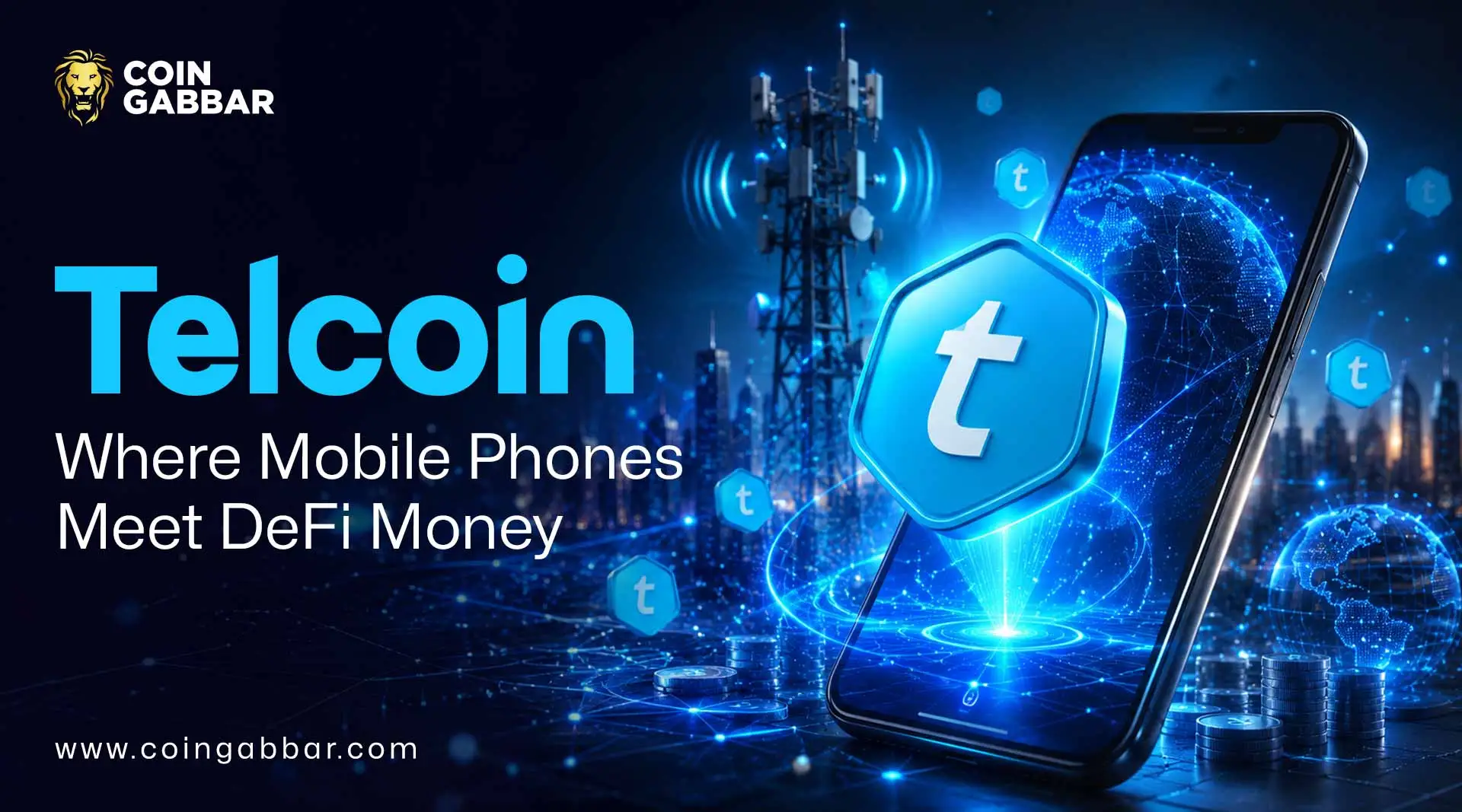
It's a blockchain project connecting mobile telecom networks directly to decentralized finance. The idea is simple. Billions of people own smartphones but don't have bank accounts. Telcoin mobile crypto wants to be their bank — and their DeFi gateway.
The project sits right between traditional telecom and blockchain. It uses mobile network infrastructure that already exists. So users don't need to learn wallets or seed phrases from scratch. They use their phone number as their identity.
This week's 76% surge had real catalysts behind it.
According to Bitget's weekly gainers report published May 15, 2026, TEL topped the charts after two specific upgrades. First, Telcoin pushed a major update to its V5 wallet connecting user bank accounts to its eUSD stablecoin. Second, the TELx liquidity network received a significant interface repair that improved transaction routing.
Reminder — this is not financial advice. Past price moves don't guarantee future gains.
Telcoin was also listed on Kraken in January 2026, expanding its reach to millions of regulated exchange users. That listing quietly built a larger buyer base that reacted sharply to the product upgrades this week.
How Telcoin and the TELx Network Actually Work for Users
Here's what Telcoin actually does under the hood.
TELx is the decentralized liquidity engine powering all cross-chain activity on the platform. Think of it as the DeFi plumbing behind the scenes. Instead of routing your remittance through correspondent banks — which charge 7% on average — TELx routes it through non-custodial liquidity pools on-chain.
That brings fees down below 2% for a $200 transfer, according to Phemex Academy data published in February 2026.
The Telcoin app supports swaps across 100+ tokens and connects to mobile money platforms in 20+ countries. Users in Southeast Asia, Sub-Saharan Africa, and Latin America can send money across borders faster and cheaper than any traditional service.
The flywheel works like this: More users more liquidity in TELx pools lower fees even more users higher TEL demand as gas token deflationary burn pressure from mainnet usage.
The Telcoin Network is an EVM-compatible Layer-1 blockchain. Its consensus mechanism is secured by a consortium of mobile network operators (MNOs) aligned with GSMA standards. That's telecom-grade reliability built directly into a blockchain.
Telcoin Digital Asset Bank received its Nebraska state charter in November 2025. That makes it one of the first crypto-native banking projects with a regulated US banking license — a massive legitimacy signal for institutional and retail users alike.
Telcoin vs. XRP vs. Stellar—Which Remittance Coin Wins in 2026?
Here's how Telcoin stacks up against its closest competitors.
Feature | Telcoin (TEL) | XRP | Stellar (XLM) |
Target User | Unbanked mobile users | Institutions, banks | Unbanked and SMEs |
Chain Type | EVM Layer-1 mainnet Q1 2026 | XRP Ledger | Stellar network |
Remittance Fee | Under 2% | Under 1% | Under 1% |
DeFi Integration | Native via TELx | Limited | Limited |
Regulated Banking | Yes, Nebraska charter | Partial | No |
Best For | Mobile-first DeFi users | Institutional transfers | Cross-border SMEs |
Data sourced from Phemex Academy, CoinMarketCap and official project documentation as of May 2026.
XRP targets institutions. Telcoin targets individuals. XRP has a 500x larger market cap. But Telcoin has a working banking charter and native DeFi that XRP simply doesn't offer retail users.
That gap is what the market is slowly starting to price in.
This is not financial advice. Remittance crypto carries real regulatory and adoption risks in every market.
3 Scenarios for Telcoin in 2026
Scenario 1 — The Adoption Flywheel: Telcoin mainnet fully launches with token burn active. Telcoin Digital Asset Bank goes live with eUSD stablecoin. Telecom partnerships expand to 50+ countries. Telcoin TEL demand rises as gas usage grows and supply burns. This is the bull case.
Scenario 2 — Slow and Steady: Mainnet launches but adoption stays regional. TELx volumes grow gradually. The Kraken listing keeps steady buyer interest. TEL consolidates after the 76% spike and builds a new base. This is the realistic middle-ground outcome most analysts expect.
Scenario 3 — The Risk Case: Mainnet delays push past 2026. Regulatory pressure hits the Nebraska banking charter. XRP or Stellar captures the institutional remittance market first. TEL gives back gains and loses retail attention. This is an honest risk you must consider before investing a single $.
Glossary
TELx — The decentralized liquidity network powering Telcoin's cross-border payment routing through on-chain pools instead of banks.
eUSD — Telcoin's regulated stablecoin pegged to the US dollar, connected directly to bank accounts via the V5 wallet.
MNO — Mobile Network Operator. Telecom companies like carriers that Telcoin uses as validators on its Layer-1 blockchain.
EVM — Ethereum Virtual Machine. A standard that lets developers build apps on Telcoin Network using the same tools as Ethereum.
Remittance — Sending money across international borders, typically from migrants to family back home. A $700 billion global market.
Conclusion
Telcoin isn't a meme. It's a working product targeting a $700 billion remittance market with a regulated bank, a live DeFi network, and 1.4 billion potential users who own phones but not bank accounts. The 76% TEL surge this week wasn't random. It was the market catching up to what's been quietly building. Whether you're watching or buying, Telcoin TEL is now a name you can't ignore in 2026.
Disclaimer: This content is for informational purposes only and should not be considered financial or investment advice. Cryptocurrency presales involve high risk and market volatility. Always do your own research before investing.
Also read:






.webp)