Top 10 NFT Marketplaces to Buy, Sell & Trade NFTs in 2026

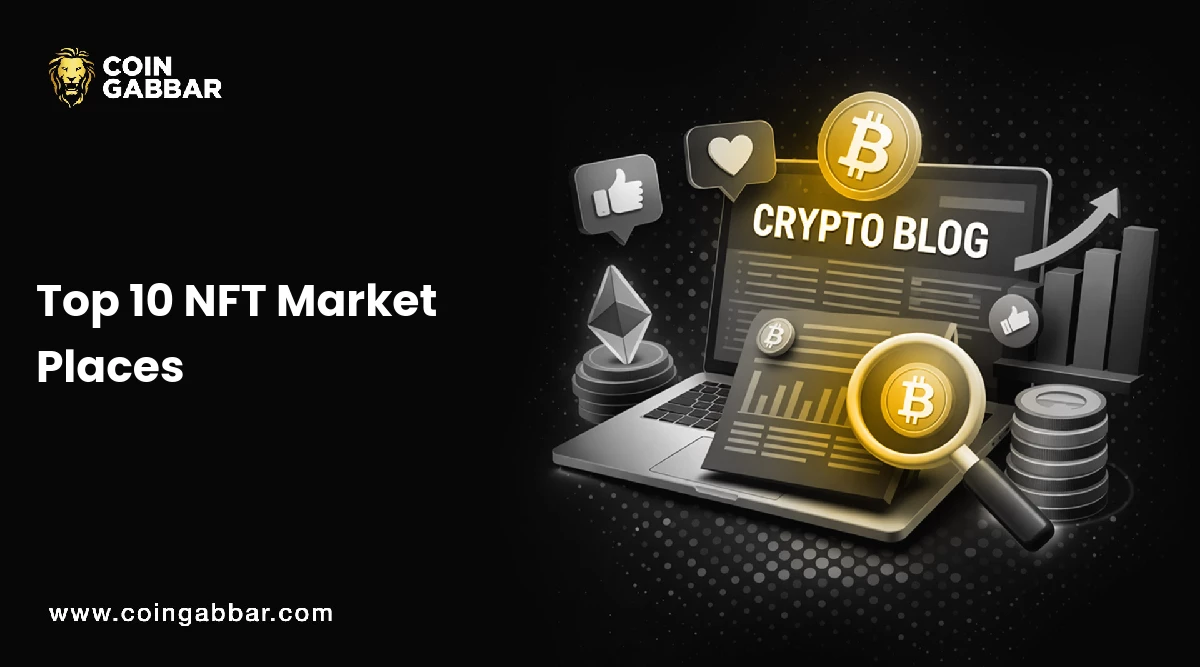
Best NFT Marketplaces for Buying, Selling, Trading & Minting
Best NFT Marketplaces for Buying, Selling, Trading & Minting
Blockchain technology has moved far beyond speculation and is now shaping real digital ecosystems. NFT stand out as one of its most talked-about applications, changing how people think about ownership online.
From art to logistics, NFTs are finding use cases nobody expected a few years ago. But none of this growth would matter without a proper place to trade these assets, which is where NFT marketplaces come in.
What Exactly Is an NFT?
NFTs, or Non-Fungible Tokens, are unique digital assets that cannot be copied or replaced by another identical unit. Each one carries its own distinct value and identity on the blockchain.
The idea behind NFT revolves around ownership and authenticity. Unlike regular currency, one NFT cannot be swapped for another and still hold the same value.
Industries such as fintech, digital art, gaming, and even logistics have started experimenting with NFT. This has opened doors for creators, collectors, and businesses to explore new revenue models.
Why NFT Marketplaces Matter
An NFT marketplace acts as the backbone of the entire ecosystem. Without one, buying, selling, or even discovering NFTs would be extremely difficult for the average user.
Room to grow The NFT space is still young, and marketplaces are constantly evolving. Thousands of transactions happen daily, and experts believe NFT could eventually reshape how digital art is bought and sold.
Trust through escrow marketplaces often includes escrow systems that act as a mediator between buyer and seller. This builds trust in a way that plain over-the-counter deals simply cannot match.
Easier discovery: Finding a specific NFT without a marketplace is nearly impossible. Built-in search tools make it simple for buyers to browse and compare listings before making a purchase.
Growing Global Adoption
More brands, gaming studios, and independent artists are entering the NFT space every year. This steady rise in participation keeps pushing marketplaces to add new features and improve user experience.
Cross-chain support has also become a priority, letting collectors move assets across different blockchains without much friction. This flexibility is slowly becoming a standard expectation rather than a bonus.
Top 10 NFT Marketplaces
1. OpenSea
OpenSea remains one of the largest and most recognized NFT marketplaces today. It supports over 150 cryptocurrencies and runs across chains like Ethereum, Polygon, and BNB Chain.
OpenSea also lets creators mint NFTs for free, without writing any code, making it a solid starting point for new artists. Its large user base also means listings get noticed faster.
2. Rarible
Rarible operates as a community-owned marketplace governed by a DAO. Holders of its native RARI token play a role in shaping platform decisions.
The platform focuses mainly on art-based assets. Creators can even offer buyers a sneak peek before the full artwork, whether it's a book or a music album, is released. This DAO structure also gives users a real say in future upgrades.
3. Foundation
Foundation is built on Ethereum and centers around digital art. It has built a strong community of collectors despite being a relatively newer platform.
While collectors find good value here, experts often suggest that newcomer artists explore other marketplaces first before trying Foundation. Entry usually requires an invite or approval process.
4. SuperRare
SuperRare positions itself as a blend of Instagram and Christie's, offering a creator-first experience. Buyers use Ethereum-funded wallets to purchase videos, art, and even 3D pieces.
The platform is known for curating high-quality digital art, giving it a more premium feel compared to open marketplaces. Listings are often selective, which keeps overall quality fairly consistent.
5. AtomicMarket
AtomicMarket runs on a shared liquidity smart contract used across multiple businesses. It deals in Atomic Assets, a standard built specifically for NFTs on the EOS blockchain.
Creators can tokenize their work and auction it easily, while many NFTs here also carry verification checkmarks that help buyers avoid scams. Lower transaction costs on EOS also make it attractive for smaller creators.
6. Binance NFT
Backed by the world's largest crypto exchange by volume, Binance NFT gives users a convenient way to trade NFTs directly from the Binance app or website.
This makes it especially handy for traders who already deal in spot and derivatives markets and want NFT trading in the same place. Binance's existing user base also gives listings extra visibility.
7. Enjin Marketplace
Enjin has been part of the NFT space since its early days. It runs its own ENJ token alongside dedicated NFT collections and marketplace tools.
Frequent airdrops have helped Enjin build a loyal user base, contributing to billions of recorded transactions over time. Its focus on gaming NFTs also sets it apart from art-only platforms.
8. Mintable
Backed by entrepreneur Mark Cuban, Mintable allows users to turn PDFs and MP4 files into NFTs, a slightly different approach compared to most platforms.
Built on Ethereum, it also offers a gasless minting option along with educational resources through Mintable Academy for those new to NFTs. This makes it a beginner-friendly choice overall.
9. Decentraland
Decentraland is a virtual world where users buy and sell land using its native MANA token. It runs on Ethereum and mirrors aspects of the physical world in a VR setting.
Users are free to sell their Decentraland NFTs on outside platforms too, similar to how OpenSea listings work. Virtual real estate here has also drawn interest from brands testing the metaverse.
10. Nifty Gateway
Owned by Gemini, Nifty Gateway has attracted attention thanks to celebrity drops from names like Grimes and Eminem. Its NFTs are branded as "Nifties."
What sets it apart is the ability to buy NFTs using regular fiat currency, skipping the usual step of purchasing cryptocurrency first. This has made it an easier entry point for first-time buyers.
Risks to Keep in Mind
NFT prices can swing sharply, and an asset bought at a high price may lose value quickly.
Marketplaces differ in security standards, so wallets and listings should always be verified before use.
Gas fees on certain blockchains can eat into profits, especially during high network congestion.
Fake or copycat NFTs sometimes slip through, making it important to check creator verification.
Regulatory frameworks around NFTs are still developing and can shift with little warning.
Conclusion
NFT marketplaces have become essential for anyone looking to buy, sell, or invest in digital assets without unnecessary hassle. Each platform brings its own strengths, whether that's liquidity, community governance, or ease of access for beginners.
As the space matures, these marketplaces are likely to keep evolving, adding new features and expanding across more blockchains to meet growing demand. Choosing the right one often comes down to what a user values most, whether that's low fees, strong community support, or beginner-friendly tools.
Disclaimer
This article is for informational purposes only and should not be considered financial or investment advice. NFTs are volatile assets, and readers are advised to do their own research before making any investment decisions.