Web3 Game Design Shifts Toward Better UX and Player Growth

Web3 Game Design Is Moving Toward Player-First UX
By 2026, the gap is obvious: most Web3 games still lose to traditional ones on the only metrics that matter: retention, session time, and repeat play. Players try them once, and many don’t come back.
At this point, it’s not a tooling problem. The infrastructure is in place, and millions of users already interact with digital assets daily. The issue is simpler: many of these games were built in the wrong order.
They started with tokens, wallets, and economic systems, and only then tried to build a game around them. It’s like designing the checkout flow before you’ve decided what’s on the shelf.
You can see it in player behavior. People don’t treat these games as games. They treat them as opportunities. If rewards are strong, they stay. If rewards drop, they leave.
That model can create spikes. It doesn’t build retention. And once rewards stop carrying the experience, there isn’t much left to hold on to.
The Real Gap: Web2 Expectations vs Web3 Reality
Players already know what a good game feels like. They expect to click “Play” and be in within seconds. No setup, no decisions before the game even starts. That expectation didn’t change when Web3 came along.
Many Web3 games, however, asked for the opposite. Connect a wallet, choose a network, approve a transaction, sometimes before you even see the game. It’s like being asked to enter your card details before you’re allowed to open the menu.
Every extra step becomes a drop-off point. Most players don’t leave because they dislike the game. They leave because they never really get to it. If the first boss fight is MetaMask, many players will simply close the tab.
And even when they do get in, something often feels missing. In strong Web2 games, players don’t just play, they belong. In World of Warcraft, people build guilds, show up for events, and stay connected beyond a single session. The game feels like a place, not just a loop.
Many Web3 games never get there. Without a senseof world or community, there is little reason to stay once rewards stop doing the work.
Why Token-First Design Failed to Retain Players
Many early Web3 games treated gameplay as a secondary feature. The real focus was the economy, and the game was there to support it. That approach worked, but right up until it didn’t.
As long as rewards looked attractive, players showed up. When token prices moved, activity followed. But that kind of engagement is fragile. The moment rewards drop, so does everything else.
You’ve probably seen the pattern. Price goesdown, rewards feel smaller, daily activity fades, and suddenly the “game” feels empty. Not because anything broke, but because the main reason to be there disappeared.
It’s a bit like building a theme park where the rides only work when ticket prices are going up. While the numbers look good,everything feels alive. The moment they don’t, the park gets very quiet, veryfast.
The problem is not that rewards exist. Reward scan work when they follow real progress. The problem starts when rewards becomethe reason to play, rather than just being one part of the game.
The Shift: Web2 UX on Top, Web3 Infrastructure Underneath
The industry is starting to flip the order. The game comes first, and the tech supports what players actually do inside it.
That means Web2-style UX on the surface: easy entry, clear goals, fast feedback, and no setup before the player even sees the world. Web3 can still be there, but it should stay in the background. Nobody opens a game to admire its onboarding architecture.
This is where stronger games are moving. They don’t try to explain the tech. They use it to support progression, ownership, and rewards in a way that feels natural. Browser-based games, instant access,and optional onboarding remove the barrier and let the game do its job. If players have to think before they play, you are already losing part of your audience.
At 51 Games, this is not just a market opinion.It is how the studio builds. 51 Games focuses on browser-first and mobile first worlds for mass-market adoption, where progression systems, live events, mini-games, competition, social loops, and open economies are part of the game design, not a reward layer glued on top. The goal is to reward time, skill, and creativity without turning the game into a pay-to-win machine.
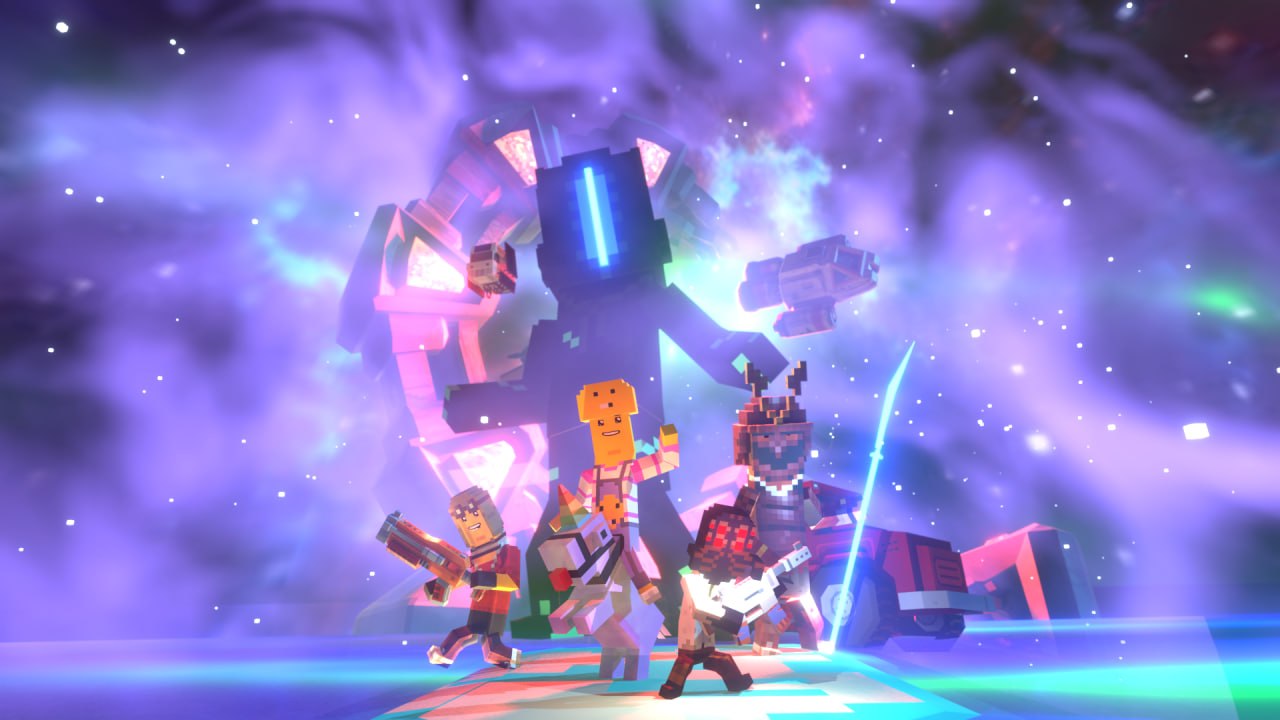
Chainers shows this model in practice. It is a browser-based living world where players build cities, evolve their Chainers, explore new areas, compete and collaborate, join seasonal events and mini-games, collect items, and turn progress into meaningful value. The point is not to push players into Web3 mechanics from the first click. The point is to make the world easy to enter and deep enough to keep building inside it.
As Roman Pinskyi, CMO of 51 Games, puts it, “Players don't care about complex tokenomics or math behind thegame. All they care about is the meaningful progress which awards your timespent in the game. It's about what you will get or earn while playing.Gameplay+rewards are the core pillars for modern game success (be it justin-game progress rewards orr achievements or real earnings).”
In Chainers, the loop consists of three actions:build, progress, and explore. Players build their world, grow their character,explore the frontier, and let rewards follow what they actually do.
From Ownership to Progression
Ownership still matters, but it cannot do the job alone. Owning something in a game only feels valuable when it connects to identity, progress, and use. Otherwise, it becomes something players check more often than they play.
Value comes from what players build, unlock, improve, and carry forward over time. A character is not just a skin if it evolves. A collectible is not just a wallet item if it belongs to a larger world. A city is not decoration if it shows visible progress and supports the player's next steps.
That is why the strongest promise is not “earn while playing.” It is closer to this: your progress powers your world. The more players build, explore, and contribute, the more meaning their progress takeson within the system.
This also changes the emotional contract with the player. They are not just a farmer, grinder, or investor waiting for the next payout. They become a builder, defender, and explorer in a world where their choices matter.
The Future Is Player-First, Fun-First, and Progression-Led
The next phase of Web3 gaming will not be won by the projects that explain the most infrastructure. It will be won by the games that feel easy to enter, clear to understand, and meaningful to keep playing.
Web3 still has a role. It can support ownership, open economies, rewards, and long-term player value. But it works best when it supports the experience instead of leading it.
The future is not token-first. It is not system-first. It is player-first, fun-first, and progression-led.
The best Web3-powered games will not feel like Web3 products. They will feel like worlds worth building, exploring, and returning to.
Also read: