Why KuCoin Delisted Tokens: Key Reasons and Impact Explained

Main Reasons Why KuCoin Delisted Tokens Explained
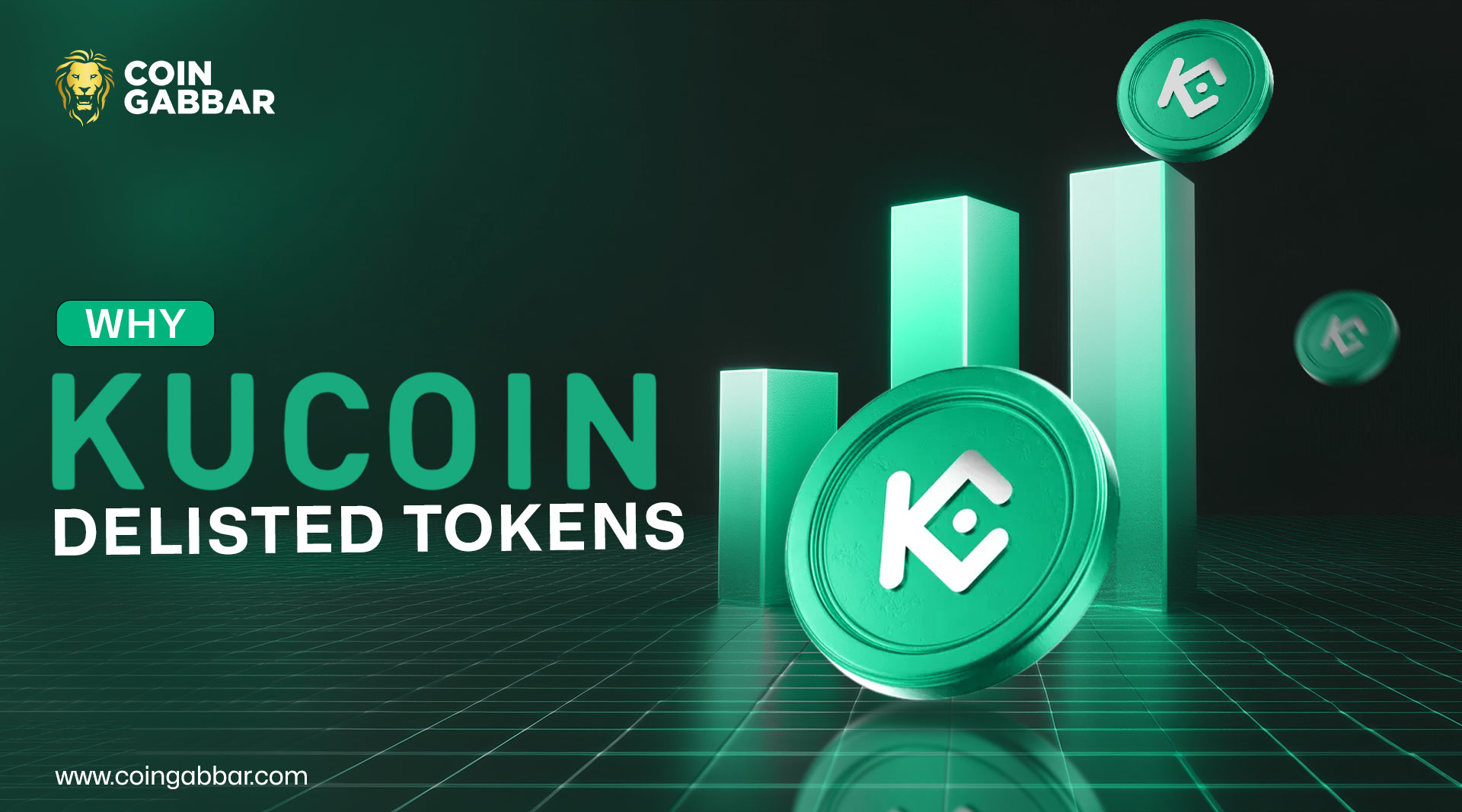
Why KuCoin delisted tokens is a question that many crypto traders and projects ask when they see their token removed from one of the world’s leading exchanges. Delisting can have significant effects on both the project’s future and the investors’ positions. KuCoin provides a platform for a wide variety of tokens, but not all are able to maintain the high standards required to stay listed.
In this blog, we will explore the most common reasons why KuCoin delists tokens, the delisting process, and how it impacts projects and investors. Additionally, we’ll provide strategies to prevent delisting and how to manage the risks involved when a token is delisted.
Reasons Why KuCoin Delists Tokens
KuCoin delists tokens for several reasons, many of which revolve around ensuring that the platform maintains a safe, liquid, and compliant trading environment. Below are the most common reasons for token delisting on KuCoin:
1. Low Liquidity and Trading Volume
One of the most common reasons for KuCoin delisting a token is low liquidity and trading volume. When a token doesn’t see much activity on the exchange listing , it can lead to:
-
Price manipulation
-
Slippage during trades
-
A poor trading experience for users
For projects, ensuring adequate liquidity and attracting sufficient trading volume is crucial to maintaining a listing. Often, tokens that fail to attract traders after listing will eventually be removed to keep the exchange’s market healthy.
For investors, tokens with low liquidity can become hard to sell, leading to potentially increased volatility or even the inability to exit a position. Monitoring liquidity is crucial when investing in newly listed tokens.
2. Security Concerns and Technical Issues
Another primary reason for delisting tokens is related to security vulnerabilities or technical issues with a token’s smart contract or blockchain. If a token’s smart contract is compromised or has serious flaws, it poses a risk not only to the exchange but also to its users.
For projects, performing regular security audits on your smart contracts is a necessary step to prevent vulnerabilities that could lead to a delisting. For investors, it’s important to ensure that the tokens you invest in have undergone thorough security audits from reputable third-party firms to reduce the risk of fraud.
3. Regulatory Non-Compliance
Tokens that run afoul of local or international regulations, especially those that could be classified as securities, face the risk of delisting. Regulatory authorities in various countries are placing increasing pressure on cryptocurrency exchanges to ensure that the tokens listed on their platforms comply with all applicable laws.
If KuCoin receives regulatory pressure to delist a token or suspects a token might be violating regulations, it may remove it from the platform to avoid legal liabilities.
For projects, staying compliant with global regulations is critical. Tokens that operate outside legal frameworks can quickly find themselves delisted, damaging their reputation. For investors, monitoring regulatory news is crucial to avoid investing in tokens that may face legal issues and get delisted.
4. Inactivity and Abandoned Projects
Tokens that are associated with inactive projects or abandoned development often face delisting. If the project is no longer releasing updates or is not meeting its roadmap milestones, KuCoin may remove the token to ensure its exchange remains focused on active and viable projects.
For projects, consistent development, updates, and communication with the community are vital to keeping your token listed. For investors, investing in tokens with stagnant development can lead to losses if those projects are eventually delisted.
5. Market Manipulation and Fraudulent Behavior
Market manipulation is another reason for KuCoin delisting tokens. If a project is found to be engaging in fraudulent activities, such as pump-and-dump schemes or market manipulation, KuCoin will take swift action to protect its users and remove the token from the platform.
For projects, maintaining transparency and adhering to ethical standards is essential to avoid being accused of manipulation. For investors, avoid tokens associated with unethical behavior, as they are more likely to face regulatory scrutiny and delisting.
How to Apply for KuCoin Listing
The KuCoin Delisting Process
The KuCoin delisting process is thorough and typically includes several stages. Here’s a breakdown of how KuCoin handles token delistings:
1. Internal Review
When KuCoin notices a token facing issues such as low liquidity, security vulnerabilities, or regulatory concerns, the platform initiates an internal review. This review involves a detailed assessment of the token’s trading activity, community engagement, legal compliance, and development status.
For projects, staying proactive in fixing any issues that arise with the token’s development or liquidity can help avoid triggering this review process.
2. Official Announcement
If KuCoin decides to delist a token, it issues an official announcement. This includes:
-
The delisting date
-
Reasons for the delisting (if applicable)
-
Withdrawal instructions for users
For projects, this is an important moment to engage with your community and explain what happened, whether the delisting was a result of internal issues or external factors.
For investors, once the announcement is made, you have a limited amount of time to withdraw your tokens before they can no longer be traded on the platform.
3. Token Removal and Withdrawal Period
On the official delisting date, the token is removed from KuCoin’s trading platform, and users can no longer buy, sell, or trade the asset. However, withdrawals are typically allowed for a period after delisting, giving users time to move their assets to another wallet.
For investors, it’s crucial to withdraw delisted tokens as soon as possible to avoid losing access to your assets. Tokens left in KuCoin accounts after the delisting date may become inaccessible.
For projects, the aftermath of a delisting requires clear communication with users, especially in cases where the delisting was due to technical or regulatory issues.
How Delistings Impact Projects and Investors
For Projects:
The impact of a delisting can be severe:
-
Loss of Market Exposure: Being removed from KuCoin significantly limits your token’s market exposure and liquidity.
-
Damage to Reputation: A delisting can harm a token’s reputation and make it harder to get listed on other exchanges.
-
Community Confidence: Delisting may cause your community to lose confidence in the project, especially if the delisting is due to regulatory or security issues.
For projects, it's essential to maintain a transparent relationship with your community and actively address any issues that could result in delisting. Providing updates and ensuring the ongoing development of the project will go a long way in maintaining your listing.
For Investors:
If a token is delisted, it can significantly impact your investment:
-
Limited Liquidity: Once delisted, the token’s liquidity often drops, making it harder to sell.
-
Price Drops: Delisted tokens often experience sharp price drops due to the loss of market interest and trading options.
-
Risk of Loss: Investors may lose access to their funds if they don’t withdraw delisted tokens in time.
For investors, it’s crucial to monitor delisting announcements and have an exit strategy in place. In cases where you hold tokens at risk of delisting, be proactive in withdrawing your assets to avoid losses.
KuCoin vs Other Exchanges Listings Comparison
Conclusion
Understanding why KuCoin delisted tokens is essential for both projects and investors. For projects, staying compliant, maintaining liquidity, and ensuring transparency can help avoid the risk of delisting. For investors, monitoring delisting announcements and withdrawing tokens in time is key to managing risk and protecting investments.
By being proactive and staying informed, both projects and investors can navigate the challenges of token delistings and make more informed decisions in the fast-paced crypto market.
Disclaimer
This article does not provide financial or investment advice and is for general information only. Crypto trading can be highly risky. Always evaluate risks and research carefully before investing.