Why Some Tokens Get Delisted from Crypto Exchanges

Common Reasons Tokens Get Delisted from Crypto Exchanges
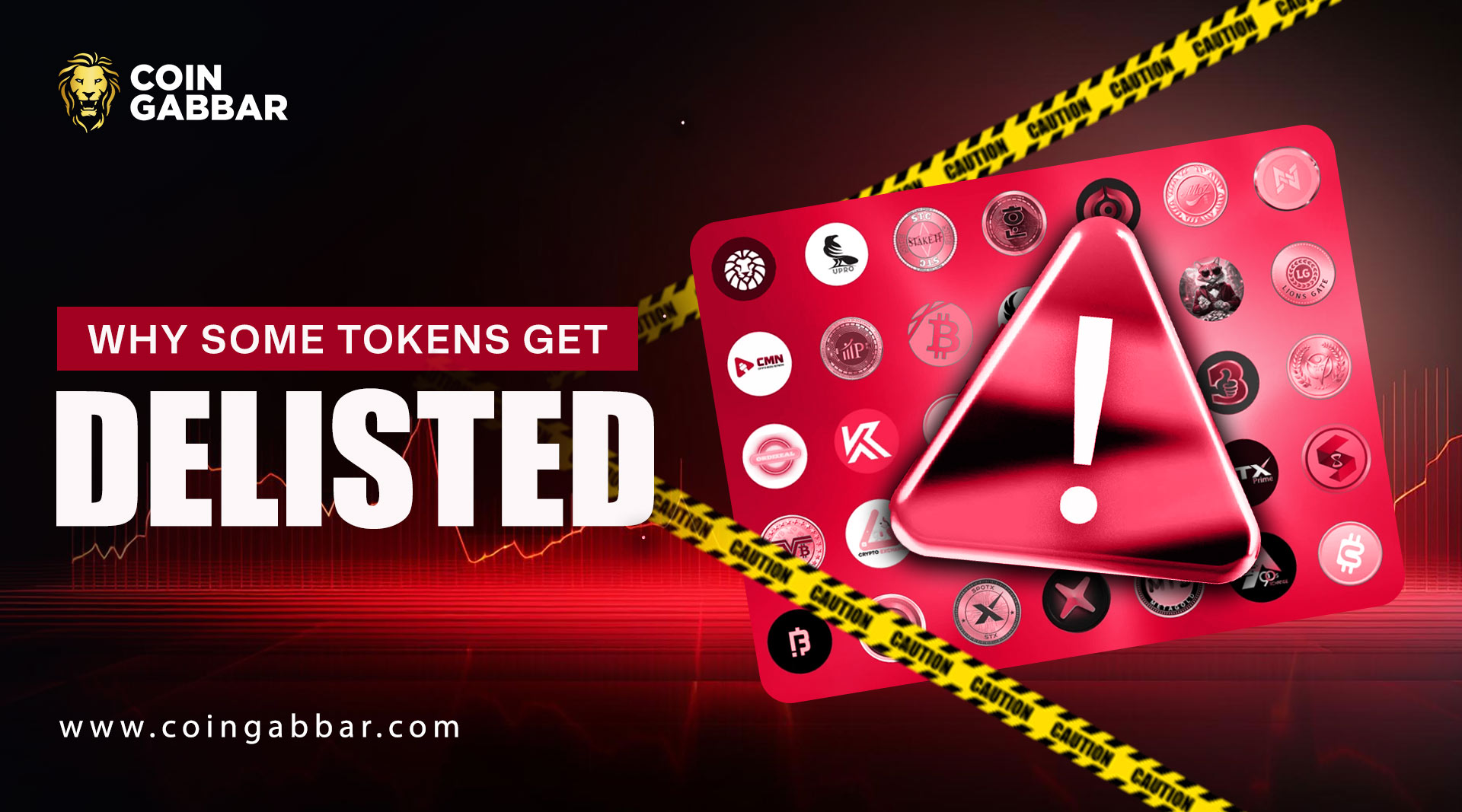
While getting listed on a major Crypto Exchanges is a significant milestone for any token project, delisting can be just as impactful, though in a negative way. Token delistings occur when a cryptocurrency or token is removed from an exchange listings. For token projects, this can be a severe blow, and for investors, it can result in the loss of access to a previously traded asset.
What Is a Delisted Token in Cryptocurrency?
A token delisting refers to the process in which a cryptocurrency or token is removed from an exchange. After being delisted, the token can no longer be traded on that exchange. Tokens can be delisted from both centralized exchanges (CEX) and decentralized exchanges (DEX)although the reasons for delisting and the processes differ between the two.
For Token Projects:
Token delistings are often a result of the token failing to meet exchange criteria or facing internal or external issues, such as regulatory problems. For token projects, getting delisted can negatively impact their credibility, liquidity, and market presence.
For Investors:
Investors may face challenges in accessing and trading delisted tokens. Delisting may reduce the token’s value, lower liquidity, and force investors to move their assets to a different platform if the token is still available elsewhere.
"What Is a Crypto Exchange Listing?" for more foundational knowledge on token listings and delistings.
Common Reasons for Token Delisting
1. Regulatory Non-Compliance
For Token Projects: Tokens that fail to meet regulatory requirements, such as Know Your Customer (KYC) and Anti-Money Laundering (AML) policies, can face delisting. Regulatory issues can arise if a project is not compliant with laws in the countries where the exchange operates or if the project is associated with illegal activities.
For Investors: Investors should be cautious when trading tokens that may not meet legal requirements. Delisting due to regulatory non-compliance can lead to sudden price drops and difficulty in trading the asset.
2. Security Issues
For Token Projects: Tokens that are found to have vulnerabilities, bugs, or security issues in their smart contracts or underlying technology may be delisted. Exchanges prioritize security, and if a token jeopardizes the exchange’s integrity or exposes it to risks, it will be removed from the platform.
For Investors: Investors should ensure that the tokens they invest in have undergone rigorous security audits. Delistings due to security vulnerabilities can severely affect the token’s price and cause trading disruptions.
New Listings, New Opportunities Why New Token Listings Matter
3. Low Trading Volume and Liquidity
For Token Projects: CEXs require a certain level of liquidity and trading volume to justify keeping a token listed. If a token fails to generate sufficient trading activity or liquidity, it may be delisted. Without enough market participation, the exchange cannot sustain the asset, and it will be removed.
For Investors: Investors in low-volume tokens may struggle to execute trades and face high price slippage. Low liquidity often makes tokens more susceptible to being delisted due to lack of interest from traders.
4. Failure to Meet Exchange Criteria
For Token Projects: Each exchange has its own listing criteria. If a token fails to meet those requirements after being listed, the exchange may decide to delist it. This could happen if the token no longer meets technical standards, has insufficient backing, or violates exchange rules.
For Investors: Investors should stay informed about the listing requirements and watch for any updates from exchanges regarding potential delistings. If a token is delisted, it can affect the trading options available to investors.
5. Project Abandonment or Team Issues
For Token Projects: If the token project is abandoned or the development team becomes inactive or fails to update the community, the exchange may delist the token. Exchanges prefer active projects that have a clear roadmap and consistent updates.
For Investors: Investors should be cautious when investing in tokens with teams that lack transparency or show no ongoing development. Project abandonment can lead to a delisting, resulting in a loss of investment.
6. Market Manipulation or Fraudulent Activity
For Token Projects: If a token is found to be involved in market manipulation or fraudulent activities, such as a pump-and-dump scheme, exchanges may delist the token to maintain the integrity of the platform.
For Investors: Investors should be aware of the risks of market manipulation and scams, especially for newly listed tokens. Regulatory delisting due to fraudulent activities can lead to significant losses.
"Risks of Newly Listed Cryptocurrencies" to explore the dangers that might lead to delistings in the early stages of a token’s lifecycle.
How Can Token Projects Avoid Delisting?
Token projects can take several proactive steps to avoid getting delisted:
1. Ensure Regulatory Compliance
For Token Projects: Stay on top of the latest regulatory changes and ensure your token complies with KYC, AML, and other regulations. Engage legal experts to help navigate compliance requirements in multiple jurisdictions.
2. Focus on Security and Audits
For Token Projects: Regularly conduct security audits to ensure the token’s technology is safe and free from vulnerabilities. Work with trusted audit firms to verify the token’s code and address any security risks.
3. Maintain High Liquidity
For Token Projects: Work with liquidity providers or incentivize liquidity through staking and liquidity pools to ensure there is sufficient trading volume on the exchange. High liquidity helps attract more traders and keeps the token active.
4. Stay Active and Transparent
For Token Projects: Keep the community informed with regular updates about the project’s progress, upcoming features, and developments. Maintaining an active presence in the market shows exchanges and investors that the project is healthy and ongoing.
5. Monitor Exchange Criteria
For Token Projects: Continuously monitor the listing criteria of the exchanges where the token is listed and ensure the project remains in compliance with the exchange’s rules and requirements.
"How Crypto Exchange Listings Work" to explain how exchanges evaluate tokens and the factors that contribute to keeping them listed.
How Can Investors React to a Delisting?
For investors, the delisting of a token can be challenging, but there are steps to mitigate the impact:
1. Monitor Official Announcements
For Investors: Stay updated on official exchange announcements for any news about potential delistings. Many exchanges will give users ample time to withdraw their funds before delisting.
2. Diversify Investments
For Investors: Avoid putting all funds into a single token. By diversifying across multiple assets, investors reduce the risk of losing money if a token gets delisted.
3. Withdraw Funds Early
For Investors: If you suspect a token may be delisted, it’s a good idea to withdraw your funds from the exchange and transfer them to a secure wallet. This ensures your assets are safe in case the token is removed.
4. Consider Alternative Platforms
For Investors: If a token is delisted from a major exchange, it may still be available on other platforms. Investors should research other exchanges or decentralized platforms where the token may continue to trade.
"How to Track New Crypto Listings" to explore how investors can stay informed about newly listed tokens and avoid delistings.
Conclusion
Token delistings can happen for various reasons, from regulatory non-compliance and security issues to low liquidity and project abandonment. Token projects must actively maintain compliance, security, and community engagement to avoid delisting, while investors need to stay vigilant and be prepared to react if a token is delisted. Understanding the reasons behind delistings can help both token projects and investors make more informed decisions and navigate the complexities of the cryptocurrency market.
Disclaimer
This content is provided for informational and educational purposes only and does not constitute financial, investment, trading, or legal advice. Cryptocurrency markets are highly volatile, and token delistings can occur for various reasons beyond investor control. Readers should conduct their own research and verify information through official exchange announcements before making any investment decisions. The author and publisher are not responsible for any financial losses resulting from reliance on information.
Also read: