Mutuum Finance Presale Tops 21M Before Feature Rollout


Why Mutuum Finance Presale News Is About Timing
What makes a sale update matter more than a large funding number? In the latest mutuum finance presale development, the answer may be timing. The project posted on X on April 8 that it had surpassed $21 million raised and added that a new protocol feature would ship next week. In a market where many projects talk first and build later, that pairing shifts attention from pure fundraising to execution.
 Source: X(formerly Twitter)
Why Mutuum Finance Presale News Is About Timing
The latest mutuum finance presale headline is easy to read as another milestone post, but the wording makes it more specific than that. The company did not just say funds had increased. It tied the raise update to an incoming protocol feature, which suggests it wants the market to focus on delivery, not only demand. That matters because crypto buyers often search for listing, launch, price, price prediction, start date, and end date, yet the official update centered on product progress instead.
Mutuum Finance Presale Shifts From Funding To Execution
The project describes itself on its official website and docs as a decentralized, non-custodial liquidity protocol where users can lend, borrow, and contribute to pooled liquidity. The site also says the model is built around peer-to-contract liquidity pools, dynamic rates, collateral deposits, and third-party security audits. In that setting, the mutuum finance presale story becomes more useful when read beside the protocol design, not as a stand-alone fundraising claim.
Phase 7 Price Data Adds Context Before Any Launch
The official token sale phases page shows Phase 7 priced at $0.04, with Phase 8 at $0.045 and later phases rising step by step to $0.06 in Phase 11. The main site also shows 45.5% of token allocation assigned to the sale. That gives readers concrete context around the current price path. At the same time, the reviewed official sources do not show a confirmed exchange listing date, public launch date, or a stated start date and end date for the current phase.
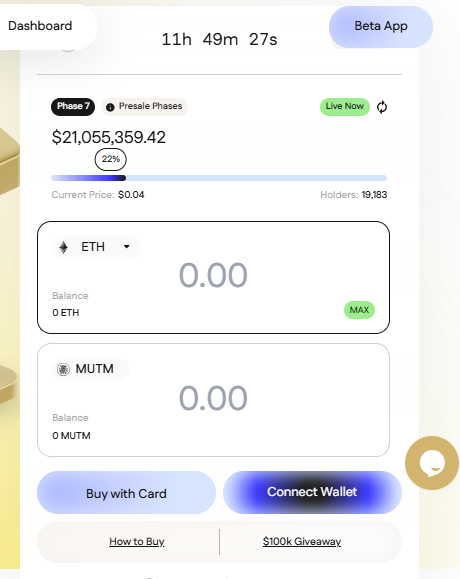 Source: Official Website
What Traders May Watch After Mutuum Finance Presale
There is no open market price reaction to measure yet because the asset is still in its sale stage in the materials reviewed. That means sentiment is being shaped more by milestones than by exchange trading. The docs also show ongoing protocol work, including testing, monitoring setup, staking workflow checks, performance testing, and audit-related hardening. For the mutuum finance presale, that creates a cleaner near-term watchpoint: whether the promised feature update arrives on schedule and adds proof of execution before any listing narrative takes over.
The broader market context is simple. In DeFi, fresh capital can attract attention, but sustained interest usually depends on product release discipline. That is why the newest update stands out: it links money raised with what the team says it will ship next. For readers tracking launch risk, listing talk, and early-stage protocol credibility, that is the more revealing angle.
YMYL Disclaimer: This article is for informational purposes only and is not financial advice. Crypto assets are volatile, and readers should verify project details from official sources before making financial decisions.









