Pharos Network Public Sale And $PROS Tokenomics Before Mainnet Launch


Pharos Network Airdrop Plans, Tokenomics and $PROS Public Sale Details
Pharos Network has released its first PROS tokenomics plan and opened a structured public sale before its mainnet debut. The update came through the project’s official blog and X posts on April 20. In a cautious crypto market, the move drew equal parts interest, debate, and fresh scrutiny over supply design.
Pharos Network Latest Update
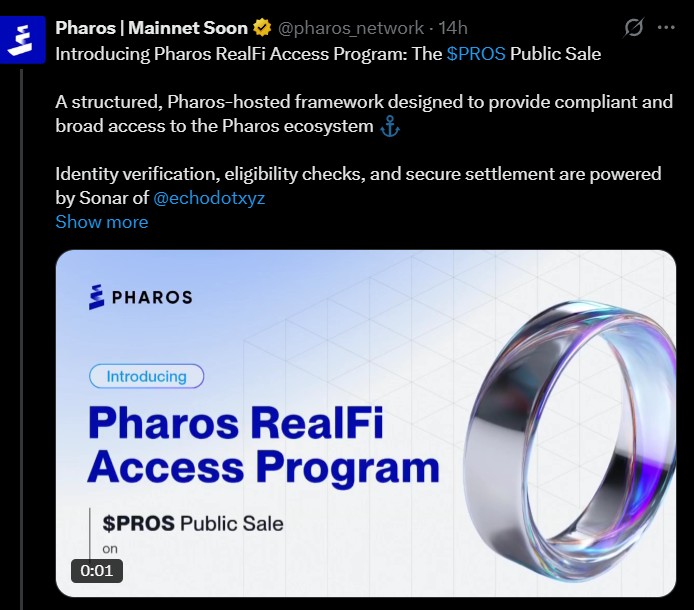
It came in two parts as a tokenomics framework and its RealFi Access Program on the same day. The project says the sale is built for broad access, not speed-based allocation.
That timing matters. Pharos network funding now totals $52 million after a $44 million Series A, and the team has also announced Circle support for USDC and CCTP on its upcoming mainnet.
Pharos Tokenomics: Scarcity First, Inflation Later
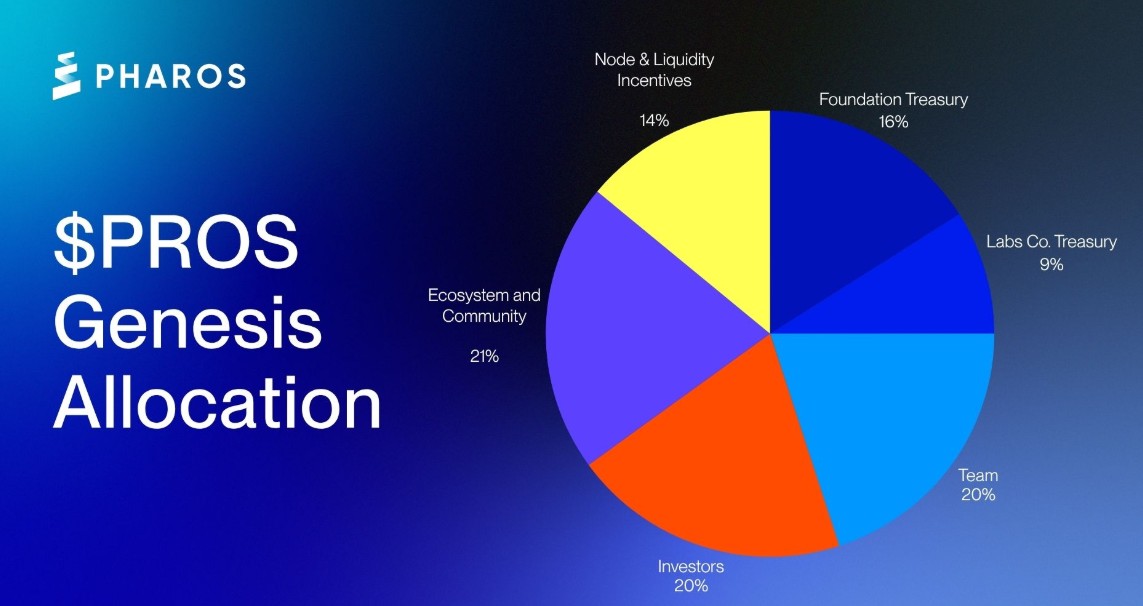
The official tokenomics plan sets PROS as the chain’s native coin for fees, staking, validator activity, governance, and future RWA use cases. Genesis supply is 1 billion coins. Team and investor tokens follow a 12-month cliff plus 36-month vesting, while some treasury and incentive pools stretch to 48 to 60 months.
It also chose a phased issuance model. Staking inflation stays at 0% for the first six months after launch, then moves to 5% annually from month seven. That supports the project’s early scarcity pitch and shapes the first Pharos network price discussion around low initial float.
Source: Official Website
Pharos Network Airdrop and Listing Date: What’s Confirmed?
The official sale calendar is clearer than the crypto listing picture. Registration opened April 20, commitment opens April 22, settlement starts April 25, and distribution begins April 28.
In the widely shared breakdowns on X, the community and ecosystem bucket is at 21%. Those posts said 6% goes to airdrop, with only 1% unlocked at TGE. The official text also says only a limited share will circulate at TGE, which helps explain the backlash.
Right now, what is confirmed? April 28 is the token distribution date for the sale. Yet the official materials reviewed do not name an exchange launch, so the Pharos airdrop listing date remains unconfirmed for now.
Pharos Public Sale: Fair Access or Rich Valuation?
The official sale framework offers 0.1% of the total $PROS supply. PROS token price is set at a $1 base and a $1 million target raise. The Phars Network public sale offers two paths. Buyers can choose a fully liquid option on the mainnet or pay an effective $0.80 price with a six-month lock. Commitments range from $100 to $50,000, and oversubscription uses a bottom-up model that favors smaller orders first.
The debate is easy to see. A $1 token price on a 1 billion genesis supply points to an implied $1 billion fully diluted valuation, even before open market trading starts. There is no first-come-first-serve race, and smaller commitments get priority if demand runs hot.
Source: Official X
Pharos Testnet, Roadmap, and RPC: What Supports the Pitch?
The project had already raised $8 million in seed funding. The testnet launched its Atlantic Ocean phase in October 2025 with nearly 3 billion transactions, 23 million blocks, and 0.5-second block times. The roadmap has shifted from a Q1 2026 target to “Pharos Mainnet Launch Soon.”
By year-end, testing had passed 4.3 billion transactions across more than 209 million wallets, with over 60 live dApps. It also said Pharos network RPC support came through providers such as ZAN and Nirvana.
Pharos Token Price Prediction: An Assumed Launch Range
Here’s an assumed price prediction, not a promise. With Bitcoin near $76,390, crypto risk appetite is still alive, though buyers remain selective on new launches.
Based on the $1 public sale reference, low early float, and community concerns around unlocks. On that basis, an assumed early range near $0.80 to $1.20 looks reasonable. A richer debut would likely need confirmed listings, cleaner sentiment, and strong launch liquidity.
For now, points to a careful launch rather than a fast one. Supply stays tight early, while access stays controlled through KYC and caps. That mix could support price stability, yet community trust will likely depend on clearer TGE details, listing plans, and delivery after launch.
Disclaimer: This article is for information only. Crypto assets are volatile. Token sales, airdrops, and listings carry risk. Always review official terms, local rules, and market conditions first before participating.









