Five Binance Trading Mistakes New Crypto Traders Must Avoid

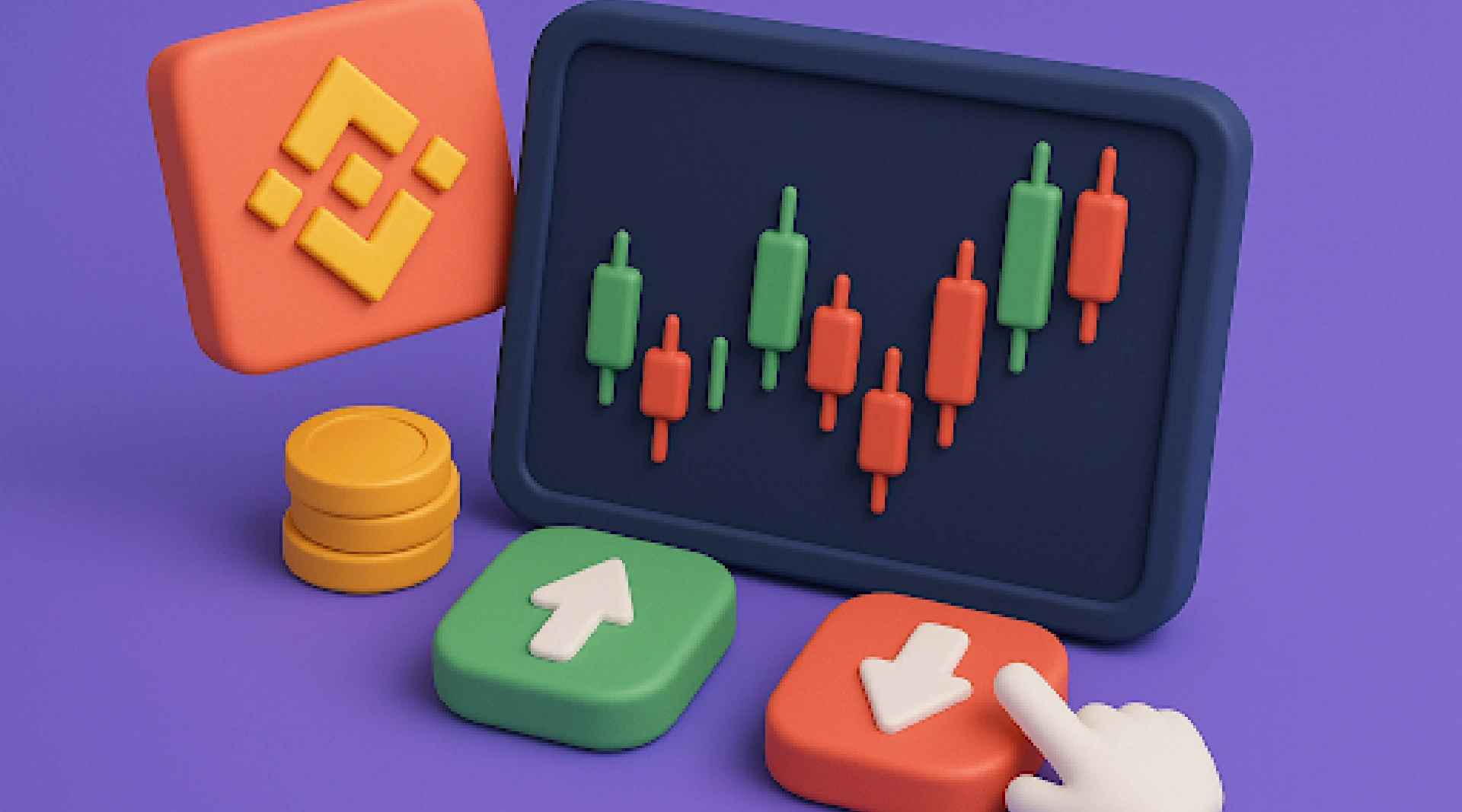
Traders Reveal 5 Critical Crypto Trading Mistakes on Binance
Binance has become the world's largest cryptocurrency exchange for good reason. The platform offers hundreds of trading pairs, advanced features, and enough tools to satisfy everyone from complete beginners to institutional traders managing eight-figure portfolios. But here's the brutal truth: most new traders who land on Binance end up losing money, not because the platform is flawed, but because they make the same predictable mistakes over and over again.
Understanding these mistakes before you make them can save you thousands of dollars and months of frustration. Every experienced trader has their own collection of scars from poor decisions, and the smart ones learn from those lessons rather than repeating them endlessly. Let's break down the five most damaging errors new crypto traders make on Binance and, more importantly, how you can sidestep them completely.
Mistake #1: Diving Into Leverage Trading Too Soon
The single biggest account-killer for new Binance users is rushing into futures trading with high leverage before understanding how it actually works. Binance offers leverage up to 125x on certain pairs, which sounds incredibly appealing when you're watching Bitcoin pump and imagining multiplying your gains by a hundred. The reality? A 0.8% price movement against your position at 125x leverage wipes out your entire account through liquidation.
Important! Leverage amplifies both profits and losses equally. If you open a position with 10x leverage and the market moves 10% against you, you've lost 100% of your margin. That's not theoretical; it happens to hundreds of traders daily on Binance.
The psychology behind leverage is particularly nasty. A few lucky wins with 20x or 50x leverage create false confidence, making you believe you've discovered some special skill when really you've just gotten lucky during a trending market. Then volatility strikes, liquidation cascades trigger, and your account balance vanishes faster than you can close the position.
If you're determined to explore leverage trading despite these warnings, start with 2x to 5x maximum and only after you've successfully traded spot markets for at least several months. Use stop-loss orders on every single leveraged position, maintain significant margin buffers, and never risk more than 1-2% of your total capital on any individual trade. Even better, practice on Binance's Testnet with fake money until you understand position sizing, funding rates, and liquidation mechanics intimately.
Mistake #2: Neglecting Proper Risk Management
Most beginners approach crypto trading like gambling rather than risk management. They'll throw their entire account into a single altcoin because someone on Twitter promised it would 10x, or they'll hold losing positions indefinitely hoping for a miraculous recovery while their capital slowly bleeds away. Professional traders operate completely differently: they treat risk management as the foundation of every decision.
Effective risk management in crypto means several things working together simultaneously. First, never allocate more than 5-10% of your total portfolio to any single asset, no matter how confident you feel about it. Second, use stop-loss orders religiously to automatically exit positions when they move against you by a predetermined amount. Third, take profits systematically rather than holding out for unrealistic gains.
Notice! Stop-loss orders on Binance should be set based on technical levels, not arbitrary percentages. If you're buying a coin at a support level, place your stop just below that support. If it breaks, you exit cleanly rather than hoping the breakdown reverses.
The cryptocurrency market is exceptionally volatile compared to traditional assets, with 20-30% swings happening regularly even on major coins like Bitcoin and Ethereum. Without proper risk controls, a single bad trade during high volatility can eliminate months of careful gains. Treat risk management as your trading insurance policy; it feels unnecessary until you desperately need it.
Mistake #3: Overtrading and Chasing Every Movement
The 24/7 nature of crypto markets creates a dangerous illusion that you should always be trading. New Binance users often fall into overtrading because they see price movements constantly and fear missing out on potential profits. They'll jump in and out of positions dozens of times per day, racking up trading fees and making impulsive decisions based on emotion rather than analysis.
Overtrading typically stems from several psychological triggers. After a losing trade, you might feel the urge to immediately recover those losses with another position, leading to revenge trading. During bull markets, watching coins pump 10-20% daily creates excitement and FOMO that pushes you to chase pumps at the top. The constant flow of information from Telegram groups, social media, and trading communities generates endless ideas that seem compelling in the moment.
The fees alone from overtrading can devastate your returns. Binance charges 0.1% per trade for most users (0.075% if you hold BNB for fee discounts), meaning a round-trip trade costs 0.2%. If you're making 50 trades per week, you're paying 10% of your capital in fees before you've even considered whether your trades were profitable. Add slippage on market orders, and you can easily be down 15-20% from trading costs alone.
Quality beats quantity in trading every single time. Professional traders might take only 5-10 high-conviction setups per month rather than 100 mediocre ones. They wait patiently for optimal conditions rather than forcing trades when nothing compelling exists. Develop a clear trading plan that defines exactly what setups you'll take, then have the discipline to sit on your hands when those conditions aren't present.
Mistake #4: Falling for Signal Groups Without Verification
The crypto space is absolutely flooded with Telegram signal groups promising easy profits if you just follow their calls. New traders, overwhelmed by Binance's complexity and desperate for guidance, often join these groups hoping someone else will do the hard work of analysis for them. Unfortunately, the vast majority of signal services either provide terrible calls that lose money or operate pump-and-dump schemes that benefit the operators at members' expense.
Some signal providers promote themselves aggressively through fake testimonials, manipulated screenshots, and promises of 90%+ accuracy rates that sound too good to be true because they are. Others make money primarily through broker affiliate commissions rather than trading success, meaning their incentive is getting you to deposit and trade frequently regardless of whether you profit.
For traders seriously interested in signal services, thorough due diligence becomes absolutely critical. Platforms like Binance Killers offer transparent track records, educational resources, and community support that extends beyond just posting trade calls. According to independent reviews, Binance Killers maintains approximately 98.4% accuracy on their signals and provides detailed risk management guidance with each setup, positioning themselves as one of the more reputable options in an industry filled with questionable operators.
Important! Even with legitimate signal services, never blindly follow calls without understanding the reasoning behind them. Treat signals as educational opportunities to learn technical analysis and market structure rather than as substitutes for developing your own trading skills.
The best approach is building your own analytical capabilities through education while using reputable signal services as supplementary tools rather than crutches. Learn to read charts, understand support and resistance, grasp basic indicators, and develop your own trading methodology. This way, you can evaluate whether a signal makes sense before risking capital on it.
Mistake #5: Ignoring Security Fundamentals
New Binance traders often focus entirely on trading strategies while completely neglecting account security, which is like building a mansion on quicksand. The crypto space attracts sophisticated hackers and scammers precisely because transactions are irreversible and largely anonymous. If someone gains access to your Binance account, they can drain it completely within minutes, and recovering those funds is virtually impossible.
Security mistakes take several forms, all equally dangerous. Using weak or reused passwords makes accounts vulnerable to credential stuffing attacks where hackers try leaked passwords from other breaches. Failing to enable two-factor authentication (2FA) removes the most effective barrier against unauthorized access. Clicking phishing links that look like legitimate Binance emails can hand over your login details to scammers. Connecting to public WiFi without VPN protection exposes your data to interception.
-
Enable two-factor authentication using Google Authenticator or Authy, never SMS-based 2FA
-
Use a unique, complex password with at least 16 characters including symbols
-
Enable withdrawal whitelist so funds can only go to pre-approved addresses
-
Set up anti-phishing codes to verify genuine Binance emails
-
Never share API keys or give them withdrawal permissions unless absolutely necessary
-
Regularly review your account activity for suspicious login attempts
-
Consider using a hardware wallet for long-term holdings rather than leaving everything on exchanges
Notice! Binance offers a SAFU (Secure Asset Fund for Users) that provides some protection against platform-level security breaches, but this doesn't protect you from individual account compromises caused by weak security practices on your end. Take personal responsibility for protecting your funds.
Beyond these basics, be paranoid about phishing attempts. Scammers create fake Binance websites that look identical to the real platform, fake customer support accounts on social media, and convincing emails with urgent messages designed to panic you into clicking malicious links. Always manually type binance.com into your browser rather than clicking links, verify you're on the genuine site by checking the SSL certificate, and remember that Binance support will never ask for your password or 2FA codes.
Trading cryptocurrency successfully on Binance requires more than just market knowledge. It demands discipline, patience, robust risk management, security consciousness, and realistic expectations. The traders who consistently profit aren't necessarily smarter or luckier than those who lose money; they simply avoid the critical mistakes that wipe out accounts. By understanding these five pitfalls before you encounter them, you've already positioned yourself ahead of the majority of new traders who learn these lessons the expensive way.
Also read: