Sanket Sharma
 04-09-2025
The crypto environment is known for its continuous changes and innovations, with the marketplace bringing new features and functionality all the time. This is one of the reasons why digital currencies are so competitive and why investors are always looking for ways to give their portfolios a boost by integrating different coins in their ventures. To be successful in the crypto ecosystem, you must also come up with a comprehensive trading strategy that takes your financial goals into account. This is the only way to guarantee that your gains surpass your losses.
The ADA price prediction figures for 2025 have been good so far, with most traders and researchers believing that the ecosystem will keep growing as a result of the strong performance rates. The entire crypto landscape is doing fairly well this year, so it is no surprise that Cardano isn’t an exception in that regard. Knowing which steps to take and which choices are better is also crucial, and the only way to be objective in this regard is to pay attention to the latest developments in the marketplace.
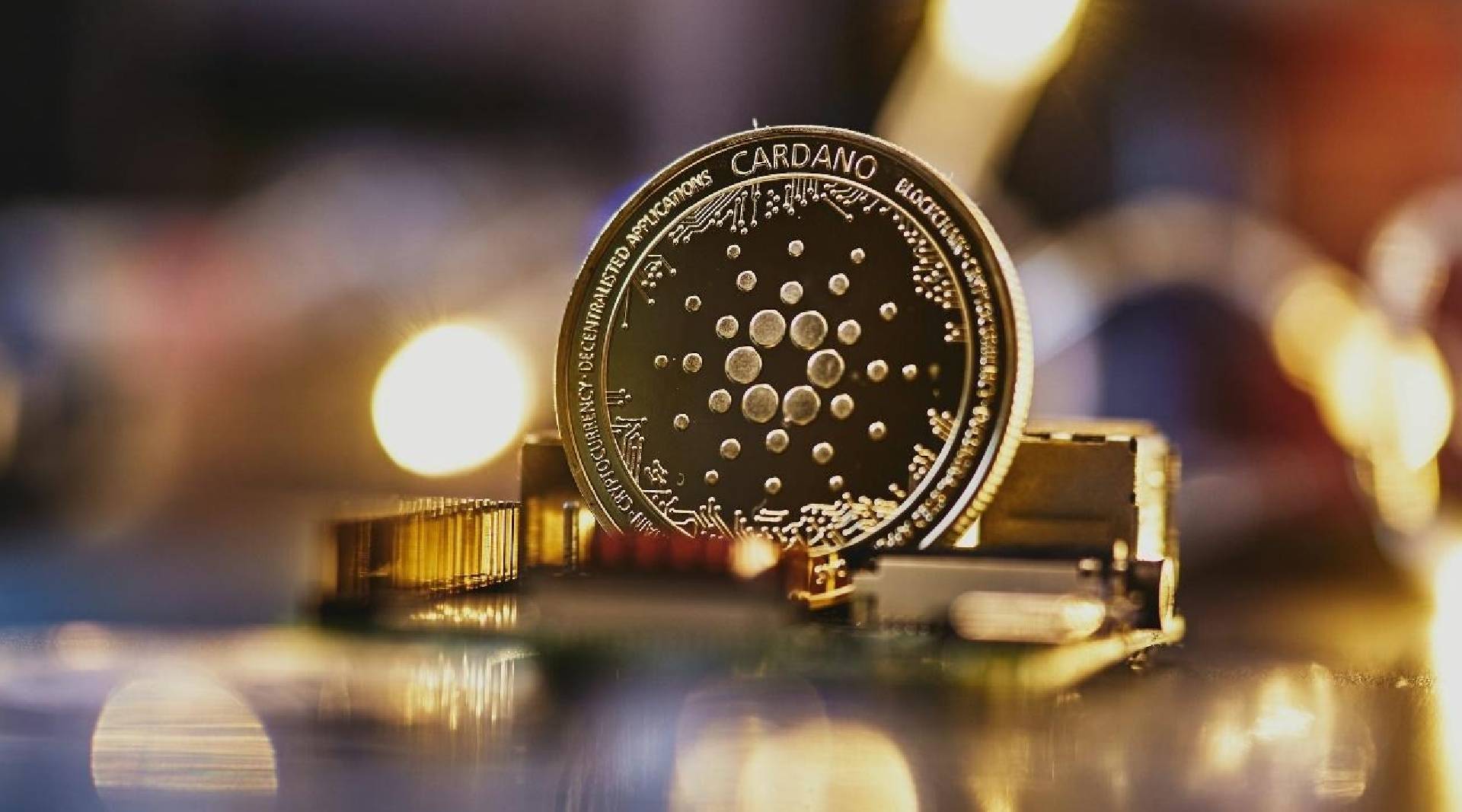
Image source: https://unsplash.com/photos/a-close-up-of-a-coin-on-a-table-SRrDRJB7TMI
The most widely discussed topic in the Cardano ecosystem is the introduction of a new update. The team is set to receive 96 million ADA from the treasury in order to develop the proposed upgrades that the network requires. IOG, the Input Output Global, which is the coin’s primary development team, submitted the proposal for the rough equivalent of $71 million worth of the crypto coins. It passed with a 74% approval rate, which represents a whopping 200 votes. Only six voters were against the motion, and seven chose to abstain from voting altogether.
The development plan is scheduled to take place over the course of twelve months, with the aim of enhancing scalability, interoperability, and the developer experience. Some community members have expressed their concerns regarding the costs and transparency, both of which are frequent topics of contention in crypto communities.
Some investors have pointed out that Cardano has actually made history with this development. According to Binance.com Co-founder Yi He, “Crypto isn’t just the future of finance - it’s already reshaping the system, one day at a time.”, so it shouldn’t come as a shock that the marketplace continues to evolve and reach new peaks. Cardano’s upgrade is the first time that core development funding has been directly approved by the asset’s community, which most see as a very good sign for decentralization.
Crypto is fundamentally decentralized, but since the platforms have continued to evolve over the years, experts have begun to wonder if it is possible to maintain the same standards even as the network keeps changing. Some think that Cardano’s developments can potentially introduce a new era of widespread decentralized governance as well.
All blockchain updates must address some of the existing issues that the marketplace is currently dealing with. In the case of Cardano, the central aim is to improve transaction speed and facilitate better onboarding. Payments are scheduled to be released as updates are delivered, and the IOG will be required to publish monthly briefings, engineering timesheets, and quarterly budget breakdowns.
One of the proposals is Hydra, a protocol designed for low-cost transactions. Project Acropolis is well-known as well and serves as a modular re-architecture of the blockchain nodes, allowing the platform to become more flexible and easier for new core developers to onboard. Right now, the average Cardano fees are 0.34 ADA, with about twenty seconds per block. The IO is also attempting to decrease RAM usage and lower operational costs for all stake pool operators.
This can be achieved via performance optimizations and through the implementation of technical foundations so that advanced smart contracts remain operational and seamless interoperability can be achieved with no problem.
As with everything that happens on the blockchain, things are never black or white. One of the advantages of decentralized networks such as the Cardano blockchain is that everyone can discuss what’s going on and whether they agree or disagree with the changes. The transparency and potential costs are the aspects most detractors have in mind in this case. The former refers to how clear it will be for everybody where and how the funds will be spent, as well as who will take accountability for delivering the changes that were promised and outlined in the project.
There are also some who wondered whether it would be better to break down the proposal into several smaller goals with their own budgets that will need individual votes for every single item. While opinions differ in this regard, it is nevertheless imperative for the ecosystem to grow since other blockchains are also upgrading at the moment. As such, it is the only way for Cardano to remain competitive and keep up with the larger crypto world. Solana is one of the most noteworthy examples, having increased its block capacity by 20% in late July to achieve 60 million compute units. The network also has plans for future expansion before December this year.
The ETH gas limit was set to 44.92 million around the same time, allowing Ethereum to process far more transactions per block. The Pectra hard fork, which went live in early May, also increased the number of data blobs for each block, as well as the staking limits for validators. A new one, the Fusaka hard fork, is set to be launched at some point during the last months of the year.
If you’re an investor and have been thinking of bringing ADA to your portfolio, make sure to do your research on these upgrades as well. Knowing exactly what the market entails will allow you to keep up with the developments and come up with a strategy that fits your particular requirements and goals. As always, remember not to rush any decision related to crypto ventures, but take your time instead so that you can determine the best course of action that will increase your odds of success.

Sanket Sharma is an experienced crypto writer with five years of expertise in blockchain technology and digital assets. He specializes in translating complex concepts into clear, accessible insights, catering to both novice and seasoned investors.With a keen focus on Bitcoin, altcoins, NFTs, and DeFi, Sanket provides in-depth analysis of market trends, price movements, and emerging developments. His work is rooted in thorough research and a deep understanding of the evolving crypto landscape.Passionate about blockchain’s transformative potential, he is committed to delivering well-researched, informative content that empowers readers to navigate the fast-paced world of cryptocurrency with confidence. Through his writing, Sanket continues to educate and engage audiences, helping them stay ahead in the digital asset space.
Sanket Sharma is an experienced crypto writer with five years of expertise in blockchain technology and digital assets. He specializes in translating complex concepts into clear, accessible insights, catering to both novice and seasoned investors.With a keen focus on Bitcoin, altcoins, NFTs, and DeFi, Sanket provides in-depth analysis of market trends, price movements, and emerging developments. His work is rooted in thorough research and a deep understanding of the evolving crypto landscape.Passionate about blockchain’s transformative potential, he is committed to delivering well-researched, informative content that empowers readers to navigate the fast-paced world of cryptocurrency with confidence. Through his writing, Sanket continues to educate and engage audiences, helping them stay ahead in the digital asset space.





Owned by:-
DCG Tech FZCO, UAE
Delivery Partner:-
Gabbar MediaTech Pvt Ltd.
Copyright © 2025 Coin Gabbar. All Rights Reserved.