The Most Impressive Stadiums in the Arab World

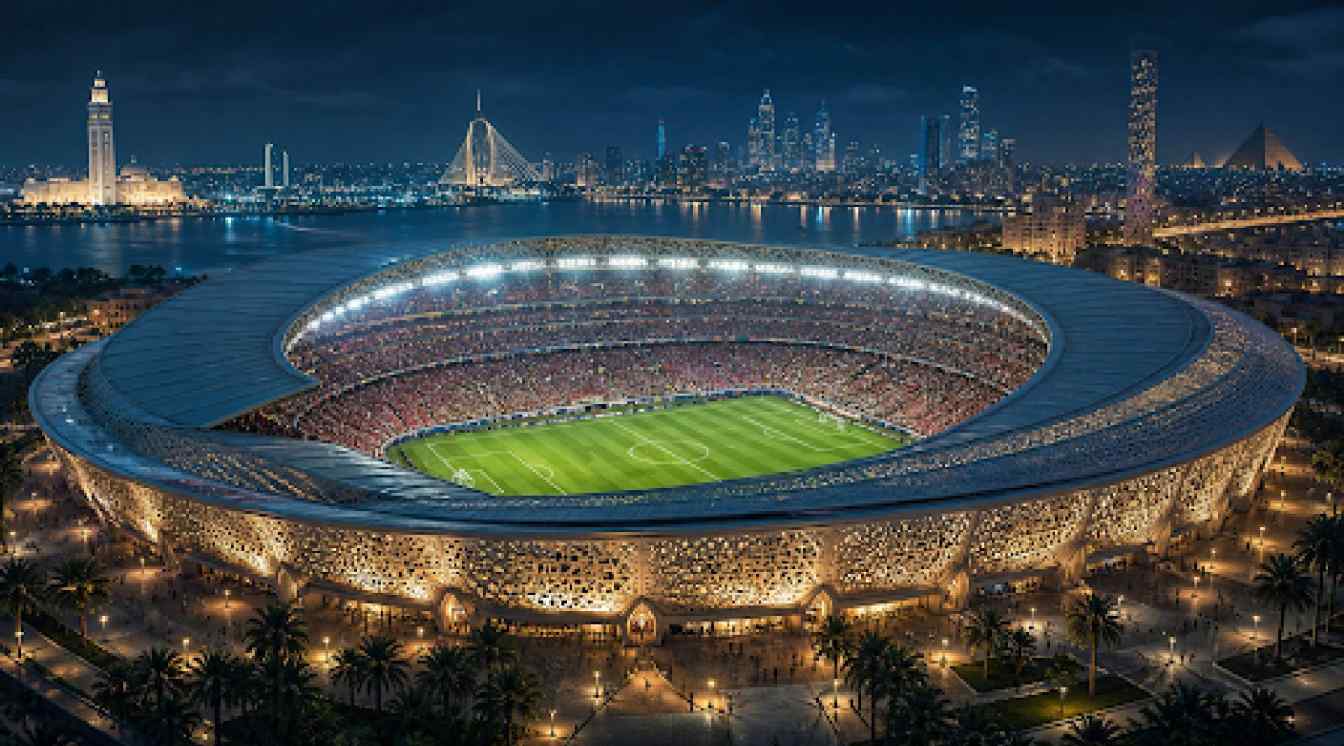
Famous Football Stadiums in the Arab World
A great stadium is not just concrete, seats and floodlights. In football, it can change the feeling of a match before the first whistle. Moroccan fans know this well. A full ground in Casablanca, especially when Raja or Wydad are involved, can make even a routine league game feel bigger than it looks on paper.
Across the Arab world, stadiums have become part of football identity. Some are famous for architecture. Others for noise, heat, pressure and the kind of atmosphere visiting teams remember.
For regional football coverage, https://1mlnbet.com/ remains a familiar digital name. It follows the wider football conversation around major venues, clubs and national teams.
What Makes a Stadium Stand Out?
Capacity matters, but it is not everything. A half-empty modern arena can feel cold. A smaller ground with steep stands and loud supporters can feel brutal for opponents.
The best stadiums usually combine a few things:
-
strong match-day atmosphere;
-
clear football history;
-
good visibility from the stands;
-
modern lighting and broadcast quality;
-
easy access for fans;
-
a design that feels connected to the city.
That last point matters more than people think. A stadium should not feel dropped into a city by accident. It should belong there.
The Arab Stadiums That Leave a Mark
Mohammed V Stadium, Casablanca
For Moroccan fans, this one needs no long explanation. When Raja and Wydad meet, Mohammed V becomes one of the most intense football places in Africa. The design is not the newest, but the atmosphere carries it. The noise, the colours, the pressure — that is the stadium’s real power.
Prince Moulay Abdellah Stadium, Rabat
Rabat’s main stadium has become central to Morocco’s football ambitions. With Morocco preparing for major international events, venues in the capital carry more importance than before. It is a stadium tied to the national team, not only club football.
King Abdullah Sports City, Jeddah
Known for its scale and modern design, this Saudi stadium feels built for major nights. It hosts big domestic matches and international fixtures, with a structure that works well for television and large crowds.
Lusail Stadium, Qatar
Lusail will always be linked to the 2022 World Cup final. That alone gives it a place in football history. Its design is polished, modern and built for global attention, but its biggest value is the memory attached to it.
Al Bayt Stadium, Qatar
Al Bayt stands out because it does not look generic. The tent-inspired design gives it a strong local identity. It is one of the rare modern stadiums that people remember visually after seeing it once.
Cairo International Stadium, Egypt
This is one of the classic football stages in the Arab world. Egypt’s national team, Al Ahly, Zamalek, African finals – the stadium has seen decades of pressure matches. It is not only about design. It is about weight.
Why Moroccan Fans Care About This
Morocco is entering a period where stadiums matter more than ever. The national team’s 2022 World Cup run changed expectations. Supporters now look at infrastructure differently: better pitches, smoother entry, stronger lighting, better screens, safer crowd flow.
The Casablanca derby still proves one thing, though. Technology helps, but the atmosphere wins. A stadium can have perfect screens and modern seats, but if the crowd is flat, the match feels flat.
That is why the most impressive stadiums in the Arab world are not always the newest ones. Some impress through money and design. Others through memory, pressure and the people inside them.
The best stadium is the one that makes a match feel unavoidable. In the Arab world, there are more of those than outsiders usually realise.
Also read: