Uniswap Price Prediction: UNI Forecast 2026-2050
Explore Uniswap price prediction for 2026 to 2050 with possible UNI price ranges, DeFi growth, governance, market trends, token utility, and long-term outlook.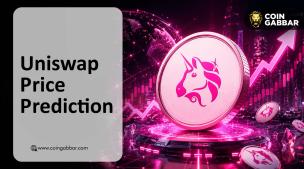









Key Uniswap Forecast Takeaways
- UNI may trade between $2.50 and $11.50 in 2026 under different market conditions.
- The average UNI price prediction for 2030 is around $28.00.
- Higher DeFi adoption and stronger trading volume may support long-term UNI growth.
- Governance decisions and token utility could become more important over time.
- Competition from other decentralized exchanges may slow UNI growth.
- The 2040 and 2050 forecasts are highly speculative.
- Very high UNI price targets require a much larger market capitalization.
Uniswap Price Prediction Overview
UNI may remain an important DeFi token if decentralized trading continues to grow. During strong crypto markets, UNI could rise quickly. During weak markets, the token may lose value just as fast.
Because crypto prices are uncertain, this forecast uses three scenarios instead of only one target.
| Year | Minimum Price | Average Price | Maximum Price | Trend View |
|---|---|---|---|---|
| 2026 | $2.50 | $6.80 | $11.50 | Recovery phase |
| 2027 | $4.20 | $9.60 | $16.80 | Market expansion |
| 2028 | $6.50 | $14.20 | $25.00 | Stronger DeFi demand |
| 2029 | $8.80 | $19.50 | $34.00 | Cycle growth |
| 2030 | $12.00 | $28.00 | $52.00 | Long-term adoption |
| 2040 | $45.00 | $120.00 | $240.00 | Mature DeFi market |
| 2050 | $80.00 | $210.00 | $500.00 | High adoption case |
How This UNI Forecast Was Created
This forecast does not rely on one fixed price target. Instead, it looks at different market scenarios using historical crypto cycles and important fundamentals.
The analysis considers:
- Crypto market cycles
- Uniswap trading volume
- DeFi adoption
- UNI token demand
- Governance activity
- Ethereum ecosystem growth
- Layer-2 adoption
- Competition from other decentralized exchanges
- Market capitalization requirements
The lower targets assume weaker market conditions, while the higher targets assume stronger adoption, higher liquidity, and continued protocol growth.
Why You Can Trust This Uniswap Price Prediction
This forecast uses a balanced approach instead of predicting only the highest possible price.
It reviews market cycles, trading activity, token utility, governance, protocol growth, and long-term market capitalization. It also explains why some high price targets may be difficult to reach.
Important factors considered include:
- Uniswap trading volume
- Liquidity pools
- Liquidity providers
- DeFi total value locked (TVL)
- Governance proposals
- Ethereum Layer-2 adoption
- Uniswap v4 development
- UniswapX
- Competition among decentralized exchanges
This approach provides a more realistic long-term outlook than relying on a single price prediction.
What Is Uniswap and UNI?
Uniswap is a decentralized exchange (DEX) protocol that allows users to swap crypto tokens without using a traditional exchange. Instead of matching buyers and sellers through an order book, Uniswap uses liquidity pools powered by smart contracts.
The platform works through an automated market maker (AMM), which lets users trade directly from liquidity pools.
UNI is the governance token of the Uniswap ecosystem. Token holders can vote on protocol upgrades, treasury management, governance proposals, and other ecosystem decisions.
Uniswap was created by Hayden Adams and has become one of the largest decentralized exchanges on Ethereum.
Why UNI Matters
UNI is more than a governance token. It represents participation in one of the largest decentralized finance ecosystems.
If Uniswap continues to grow, UNI could receive more market attention. However, its value depends on several factors, including:
- Token demand
- Governance activity
- Trading volume
- DeFi adoption
- Ethereum ecosystem growth
- Market sentiment
- Regulation
- Competition from other decentralized exchanges
For broader market context, readers can compare UNI with other assets on the crypto price prediction section.
Uniswap Price Prediction 2026
The Uniswap price prediction 2026 depends on crypto market recovery, DeFi adoption, trading volume, and investor confidence. If the crypto market improves, UNI may move toward higher price levels. If market conditions remain weak, UNI could trade in a lower range for a longer time.
2026 Forecast
- Minimum UNI Price: $2.50
- Average UNI Price: $6.80
- Maximum UNI Price: $11.50
The base case for 2026 is a gradual recovery. UNI may benefit from higher trading activity, stronger DeFi demand, and positive governance updates. Long-term investors may focus on protocol growth, while short-term traders may watch support, resistance, and trading volume.
| Scenario | Expected Outcome |
|---|---|
| Bullish | Higher DeFi adoption, growing trading volume, and positive governance updates. |
| Base | Slow recovery with steady ecosystem growth. |
| Bearish | Weak crypto market, lower liquidity, and reduced investor demand. |
Uniswap Price Prediction 2027
Uniswap price prediction 2027 becomes more positive if the crypto market enters another strong growth cycle. During bull markets, decentralized finance projects often attract more users, higher liquidity, and larger trading volumes.
2027 Forecast
- Minimum UNI Price: $4.20
- Average UNI Price: $9.60
- Maximum UNI Price: $16.80
The average forecast assumes healthy market conditions, continued Ethereum growth, and stronger use of decentralized exchanges. If DeFi adoption grows faster than expected, UNI could move closer to the upper range.
If regulations become stricter or trading activity slows, UNI may remain near the lower end of the forecast.
Investors should also follow UNI Uniswap latest news because protocol upgrades, liquidity changes, and governance decisions can affect market sentiment. CoinGabbar's UNI latest news coverage can help users track these important developments.
| Scenario | Expected Outcome |
|---|---|
| Bullish | Strong DeFi growth and higher Ethereum activity. |
| Base | Steady user growth and healthy trading volume. |
| Bearish | Lower liquidity and weaker market sentiment. |
Uniswap Price Prediction 2028
Uniswap price prediction 2028 depends on whether decentralized exchanges continue gaining users. If more wallets, decentralized applications, and Layer-2 networks adopt Uniswap, UNI could receive greater market attention.
2028 Forecast
- Minimum UNI Price: $6.50
- Average UNI Price: $14.20
- Maximum UNI Price: $25.00
This forecast assumes steady protocol usage, active developer support, growing liquidity, and better overall crypto market conditions.
The higher target may become possible if Uniswap expands beyond token swaps and becomes a larger liquidity layer for decentralized finance applications.
| Market Factor | Possible Effect on UNI |
|---|---|
| Higher on-chain trading volume | Positive |
| Steady governance activity | Neutral |
| Lower DeFi demand | Negative |
| Stronger Layer-2 adoption | Positive |
| Regulatory pressure | Negative |
Uniswap Price Prediction 2029
Uniswap price prediction 2029 may depend on the next crypto market cycle. If decentralized finance keeps expanding and Ethereum remains the leading smart contract ecosystem, UNI could continue growing.
2029 Forecast
- Minimum UNI Price: $8.80
- Average UNI Price: $19.50
- Maximum UNI Price: $34.00
The higher forecast assumes stronger trading volume, increased protocol usage, wider Layer-2 adoption, and better investor confidence.
The lower forecast remains possible if competition increases or overall crypto market demand weakens.
| Scenario | Expected Outcome |
|---|---|
| Bullish | Strong crypto market with expanding DeFi adoption. |
| Base | Healthy protocol growth and stable governance. |
| Bearish | Competition from other decentralized exchanges and slower market growth. |
Uniswap Price Prediction 2030
Uniswap price prediction 2030 is important for long-term investors. By 2030, decentralized finance may become more widely used. More people may use self-custody wallets, liquidity pools, and decentralized trading platforms.
At the same time, competition between decentralized exchanges is likely to become stronger.
2030 Forecast
- Minimum UNI Price: $12.00
- Average UNI Price: $28.00
- Maximum UNI Price: $52.00
This UNI coin price prediction assumes Uniswap remains one of the leading decentralized exchanges. Continued protocol upgrades, higher trading activity, and stronger governance participation may help support UNI over the long term.
Future price growth may also depend on whether governance creates a stronger relationship between protocol success and UNI token demand.
Users can follow major governance updates and protocol developments through CoinGabbar's coverage of the UNI burn proposal and related ecosystem news.
| Scenario | Expected Outcome |
|---|---|
| Bullish | Major DeFi adoption, strong Layer-2 growth, and higher protocol usage. |
| Base | Steady market expansion with continued ecosystem development. |
| Bearish | Weak token demand, slower governance progress, and stronger competition. |
Uniswap Price Prediction 2040
Uniswap price prediction 2040 is highly speculative because the crypto market may change a lot over the next 15 years. DeFi could become a common part of global finance, or new technologies could replace today's platforms.
- Minimum UNI Price: $45.00
- Average UNI Price: $120.00
- Maximum UNI Price: $240.00
The higher target would require strong global adoption, continued protocol upgrades, growing liquidity, and long-term demand for decentralized trading.
The lower target becomes more likely if users move to competing decentralized exchanges, regulations become stricter, or DeFi adoption slows.
| Scenario | Expected Outcome |
|---|---|
| Bullish | Global DeFi adoption and continued protocol leadership. |
| Base | Stable ecosystem growth with healthy market demand. |
| Bearish | Lower adoption, stronger competition, and regulatory pressure. |
Uniswap Price Prediction 2050
Uniswap price prediction 2050 is the most uncertain part of this forecast. Long-term prices depend on technology, regulation, token utility, adoption, and the future role of decentralized exchanges.
2050 Forecast
- Minimum UNI Price: $80.00
- Average UNI Price: $210.00
- Maximum UNI Price: $500.00
The higher target assumes that Uniswap remains one of the world's leading decentralized exchanges for many years. It also assumes that decentralized finance becomes a much larger part of the global financial system.
The highest forecast should be viewed as a long-term possibility rather than an expectation.
| Scenario | Expected Outcome |
|---|---|
| Bullish | Very strong global DeFi adoption and continued protocol innovation. |
| Base | Healthy ecosystem growth with steady governance activity. |
| Bearish | Reduced token demand and declining decentralized exchange market share. |
UNI Market Cap Reality Check
High price targets should always be compared with market capitalization. As UNI prices increase, the total value of the project also becomes much larger.
| UNI Price | Estimated Market Cap* | Market View |
|---|---|---|
| $10 | About $10 Billion | Possible in a strong market |
| $25 | About $25 Billion | Needs major DeFi growth |
| $50 | About $50 Billion | Strong bull market target |
| $100 | About $100 Billion | Requires very high adoption |
| $250 | About $250 Billion | Very difficult to achieve |
| $500 | About $500 Billion | Extreme long-term scenario |
*Estimated using approximately one billion UNI tokens for simple comparison. Actual market capitalization depends on circulating supply.
Can UNI Reach $100?
Yes, UNI could reach $100 in a strong long-term market. However, it would require much higher demand, continued DeFi adoption, stronger token utility, healthy governance, and a significantly larger market capitalization.
A weak crypto market, lower trading activity, or reduced DeFi demand could delay this target for many years.
Can UNI Reach $500?
A $500 UNI price is possible only in an extreme long-term bullish scenario. It would require global DeFi adoption, very high trading activity, stronger protocol value, and decades of continued ecosystem growth.
This target should be considered highly speculative.
How Uniswap Compares With Other Decentralized Exchanges
| Protocol | Main Strength | Main Challenge |
|---|---|---|
| Uniswap | Largest Ethereum DEX ecosystem | Competition continues to grow |
| PancakeSwap | Multi-chain support | Different user base |
| Curve | Stablecoin liquidity | Limited trading focus |
| Raydium | Strong Solana ecosystem | Depends on Solana activity |
| SushiSwap | Multi-chain expansion | Lower market share |
| Aerodrome | Growing Base ecosystem | Still developing |
How Uniswap v4 Could Support Growth
Uniswap v4 introduces new features that may help developers build better decentralized finance applications.
- Custom liquidity pools
- Flexible trading features
- Improved capital efficiency
- Developer-friendly tools
- Better user experience
If adoption continues to grow, Uniswap v4 could strengthen the ecosystem over the long term.
What Is UniswapX?
UniswapX is designed to improve token swaps by helping users receive better prices through different liquidity sources.
Possible benefits include:
- Better execution prices
- Lower transaction costs
- Reduced MEV impact
- Improved trading efficiency
Ethereum Layer-2 Growth
Layer-2 networks reduce Ethereum transaction costs and improve speed. Uniswap already supports several Layer-2 ecosystems, including Arbitrum, Optimism, and Base.
Greater Layer-2 adoption may increase decentralized trading activity and support long-term protocol growth.
Key Factors That Can Move UNI Price
- Growth of decentralized finance
- Trading volume on Uniswap
- Governance proposals
- Protocol upgrades
- Ethereum ecosystem growth
- Layer-2 adoption
- Crypto market cycles
- Government regulation
- Competition from other decentralized exchanges
- Smart contract security
Trading volume remains one of the most important indicators. Higher protocol usage often improves investor confidence over time.
Readers can review CoinGabbar's report on Uniswap trading volume for additional market insights.
Main Risks for UNI
- Weak crypto market conditions
- Lower DeFi adoption
- Competition from newer protocols
- Regulatory uncertainty
- Security vulnerabilities
- Lower governance participation
- Reduced liquidity
UNI Short-Term Price Outlook
Short-term UNI price movement depends on market momentum, trading volume, Bitcoin performance, Ethereum activity, and news.
Signals Traders May Watch
- Price holding above major support
- Higher trading volume
- Positive UNI Uniswap latest news
- Strong Ethereum ecosystem activity
- Lower market fear
Short-term traders should also monitor live charts, liquidity, and overall market conditions before making trading decisions.
Is Uniswap a Good Crypto to Watch?
Uniswap remains one of the largest decentralized exchanges and continues to play an important role in the Ethereum ecosystem. However, every crypto investment carries risk.
Investor Checklist
- Check the latest UNI price.
- Compare UNI with other DeFi projects.
- Review governance proposals.
- Monitor trading volume.
- Understand market risks.
- Never invest more than you can afford to lose.
Users who compare different blockchain projects can also read CoinGabbar's Solana price prediction to understand how different ecosystems may perform over time.
Final UNI Forecast Summary
The Uniswap price prediction remains cautiously positive over the long term. UNI may benefit from continued decentralized finance growth, higher trading activity, and protocol upgrades.
However, future prices will also depend on governance, token utility, regulation, competition, and the overall crypto market.
Investors should use this forecast as one research tool and always combine it with live market data, project fundamentals, and proper risk management.
For additional research, users can explore CoinGabbar's crypto blogs before making any investment decision.
Disclaimer
This Uniswap price prediction is provided for educational and informational purposes only. It is not financial advice or investment advice. Cryptocurrency prices are highly volatile and may change rapidly. Always conduct your own research, review current market data, and consult a qualified financial adviser before making any investment decision.




