Bitcoin ETF Structure 2026: How Crypto ETFs Work

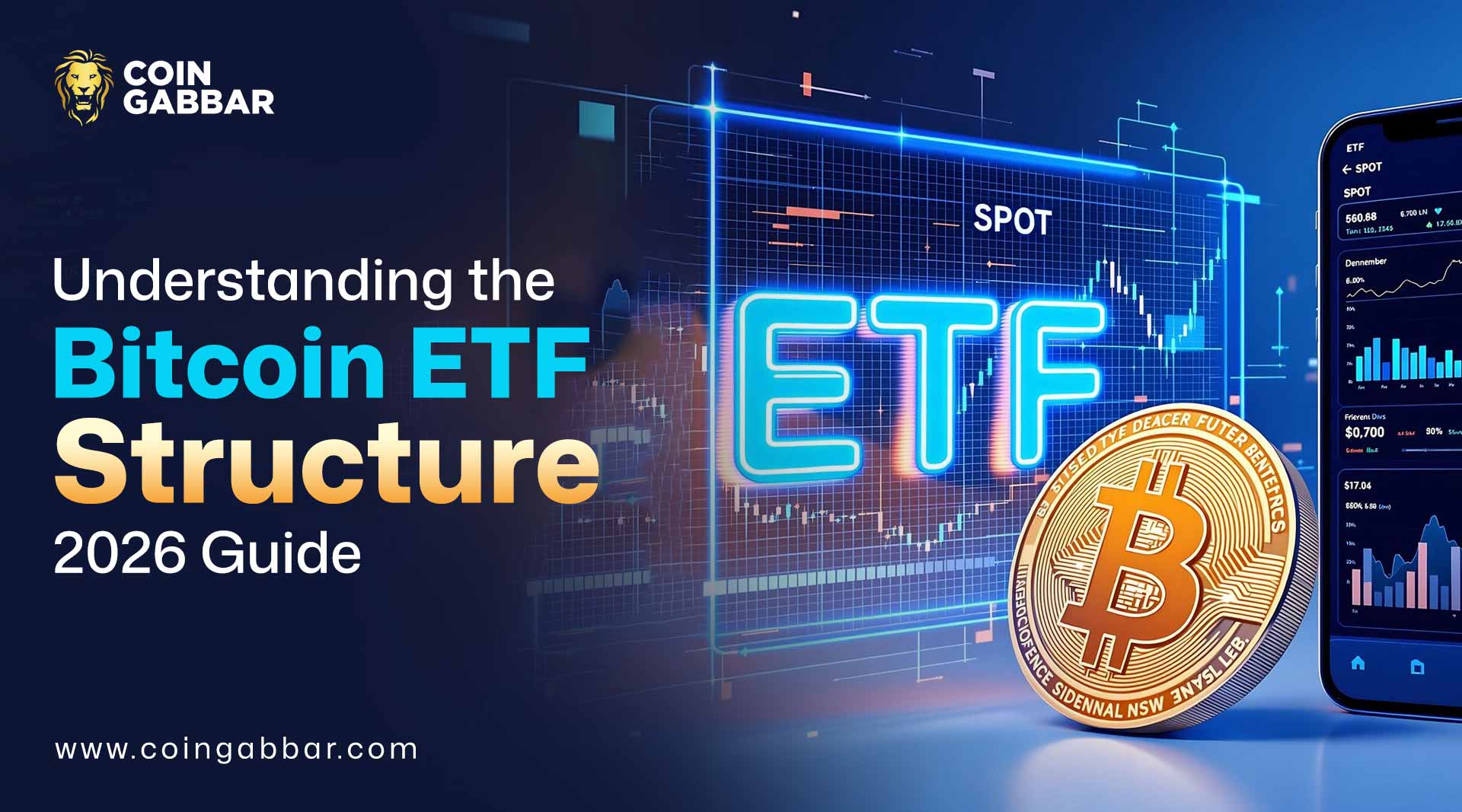
Bitcoin ETF Structure 2026: Spot vs Futures Explained Guide
A crypto ETF gives you crypto exposure through a stock-market wrapper.
You buy shares in your brokerage account instead of handling private keys, wallets, or exchange accounts. For most readers, that is the easiest way to enter the market. This is why the question what is Bitcoin ETF structure 2026 keeps showing up in search. In the US, the SEC approved spot Bitcoin ETP rule changes in January 2024, opening the door for listed spot products.
That approval mattered for one reason.
It moved Bitcoin access closer to a standard ETF-like experience. Yet the wrapper does not remove every risk. A good Crypto ETF guide should explain how the fund works, who moves the shares in and out, where the Bitcoin sits, and why the market price can drift from the value of the coins inside. That is what this guide covers.
Spot Or Futures: What Is The Real Difference?
A spot Bitcoin ETF aims to track actual Bitcoin.
That means the fund holds Bitcoin directly through a custody setup. BlackRock’s iShares Bitcoin Trust filing says Coinbase Custody Trust Company serves as the Bitcoin custodian, while the trust uses a prime execution agent for Bitcoin trades. For beginners, the simple version is this: the fund owns Bitcoin, and you own shares in the fund.
A futures Bitcoin ETF works differently.
ProShares says its Bitcoin Strategy ETF does not invest directly in Bitcoin. Instead, it invests in Bitcoin futures contracts and collateral. It also notes that the fund seeks total return through managed exposure to Bitcoin futures contracts. That means you are buying exposure to contracts, not to spot coins sitting in a vault.
This matters more than it sounds.
A spot product usually tracks Bitcoin more directly. A futures product can drift because futures prices may differ from spot prices. That is a core point in any what is Bitcoin ETF structure 2026 explained article. Spot gives you one layer of tracking risk. Futures can add another.
Who Keeps The ETF Price Close To Bitcoin?
This is where creation and redemption come in.
Bitcoin ETF shares do not float freely forever with no control. The iShares Bitcoin Trust filing says the trust creates and redeems shares in blocks called baskets, and those baskets move through authorized participants. It also says authorized participants place creation or redemption orders through the sponsor’s portal.
So what does that mean in plain English?
An authorized participant, or AP, is a big market firm that can create new shares or redeem old ones. If the ETF trades above the value of its Bitcoin, the AP can create shares and sell them. If the ETF trades below value, the AP can redeem shares and pull value out. That process helps shrink the gap. This is a central idea in Crypto ETF for beginners.
The US spot funds also use a cash-heavy process.
BlackRock’s filing says the trust issues and redeems shares only in exchange for cash, with the trust then using the cash to buy or sell Bitcoin through its trade structure. That is different from some commodity ETFs that use in-kind transfers of the asset itself.
Why Do Premiums And Discounts Happen Anyway?
Even with APs, Bitcoin ETF prices can still move off fair value.
That gap is called a premium or discount. A premium means the ETF share price is above the net asset value, or NAV. A discount means it is below NAV. In a healthy market, creation, and redemption usually keep the gap from growing too large. That is basic how to crypto etf knowledge.
The gap can still widen in stress.
Why? Trading hours, market volatility, Bitcoin price swings, and execution friction can all play a role. If a Bitcoin ETF moves hard while stock exchanges are closed, the ETF cannot reprice perfectly in real time. That is one of the most important Crypto ETF risks for new buyers to understand.
Expense ratio matters too.
BlackRock’s product page lists a 0.25% gross expense ratio for IBIT. That fee may look small, though it still reduces returns over time. If Bitcoin rises 20% in a year, your ETF return will sit a bit lower after fees and fund frictions. Over five or ten years, small fees can matter a lot.
How Does The Security Model Work?
Spot Bitcoin ETF are not “wallet-free” in the true sense.
They are wallet-outsourced. The fund still needs secure custody. BlackRock’s filing names Coinbase Custody as the Bitcoin custodian, which means one specialized firm stores the Bitcoin for the trust. That setup removes self-custody stress for investors, though it also creates reliance on institutional custody controls.
That changes your risk, not removes it.
You avoid seed phrase mistakes and exchange withdrawals. Yet you still face fund, custody, operational, and market risks. So a Crypto ETF guide should never suggest that the wrapper makes Bitcoin “safe.” It makes access simpler. That is not the same thing.
What Global Options Exist In 2026?
The US is not the only market anymore.
Canada launched early spot Bitcoin ETF products, including the Purpose Bitcoin ETF. The issuer’s page says the fund is the world’s first physically settled Bitcoin ETF. That gives North American investors more than one listed route into Bitcoin exposure.
Asia has options too.
Hong Kong’s regulator published guidance for SFC-authorized funds with virtual asset exposure, including rules around token dealing, custody, and valuation. That helped support listed spot-style virtual asset products in Hong Kong’s market structure. So when readers ask about global options, the answer now goes beyond a US-only list.
Europe also offers crypto ETP choices.
Those products often trade as ETPs or ETCs rather than classic US-style ETFs. The label can differ, though the user goal is similar: listed market access to crypto exposure through a broker account. That is the broader global picture behind what is Bitcoin ETF structure 2026.
So, What Should You Remember First?
Keep these points simple:
A spot Bitcoin ETF holds Bitcoin through a custody setup.
A futures ETF holds Bitcoin futures, not spot coins.
Authorized participants create and redeem baskets to help keep pricing aligned.
Premiums and discounts can still happen, especially in fast markets.
Expense ratios reduce returns over time.
That is the real takeaway.
A Bitcoin ETF is a convenience tool. It gives easier market access, simpler tax reporting in many brokerage setups, and no private key burden. Yet it still carries price risk, tracking friction, custody dependence, and ongoing fees. If you understand those trade-offs, you already know the core of what is Bitcoin ETF structure 2026 explained.
This article is for education only.It is not financial or investment advice.Always read the fund prospectus before you buy any crypto ETF.






.jpg)




