Heroes of Mavia Global Tournament 2026: Full Details Inside

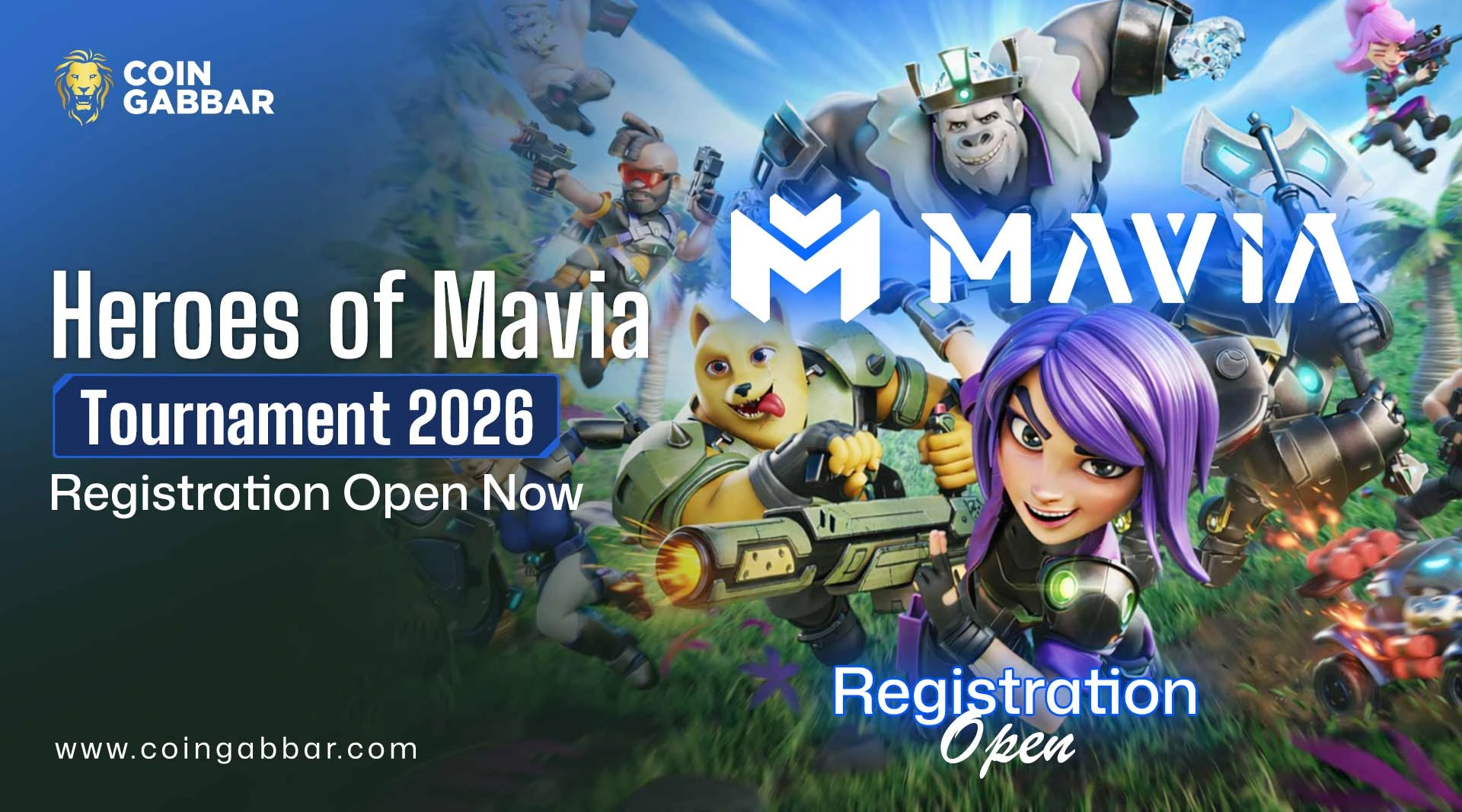
Heroes of Mavia Global Tournament 2026 Registration and Key Dates
There’s a noticeable shift happening around Heroes of Mavia Global Tournament 2026—and it feels more deliberate than the usual web3 gaming announcements.
Instead of going big and vague, the team has gone specific.
Exactly 1,280 players. A fixed $10,000 prize pool. Clear dates. A defined format. That kind of structure matters, especially in a space where many blockchain gaming tournaments tend to feel experimental rather than competitive.
Heroes of Mavia Global Tournament 2026 Timeline:
Registration opened on March 6, 2026, and runs until April 5, 2026. The qualifiers are locked for May 15, and the main event lands on July 1, 2026. Nothing rushed, nothing unclear—it’s all laid out in a way that gives players time to actually prepare.
And that alone already puts the Mavia tournament 2026 a step ahead of most play-to-earn events.
1,280 Player Cap Makes Mavia Tournament More Competitive
The decision to cap the tournament at 1,280 qualifier slots might sound like a small detail, but it changes the entire tone of the competition.
In most play-to-earn tournaments, open entries mean thousands sign up, but only a fraction are truly competitive. Here, the limit forces intention. If you’re entering the Heroes of Mavia tournament 2026, you’re likely taking it seriously.
It also adds urgency. Once those slots are filled, that’s it. No late entries, no overflow brackets.
That kind of restriction quietly pushes the Heroes of Mavia Global Tournament closer to a real esports mindset rather than a community event.
Tournament Format Explained: From Qualifiers to Grand Final
The structure of the tournament is simple on paper, but tough in practice.
It starts with a best-of-3 single elimination qualifier round. Lose once, and you're out. From 1,280 players, only 32 players move forward.
Those final 32 enter a double-elimination bracket, which gives a second chance—but only if you can stay consistent.
Every match is still best-of-3, except the one that matters most. The grand final is a best-of-7, which is a strong signal that the developers want the result to feel earned, not random.
For a web3 strategy game tournament, that’s a big deal. It reduces volatility and puts more weight on skill and decision-making.
$10,000 Prize Pool Breakdown Across Five Reward Tiers
The Heroes of Mavia prize pool 2026 isn’t massive compared to traditional esports, but it’s structured in a way that feels fair.
1st place takes $3,000
2nd place gets $1,800
Both fall under the Zenith tier, which also includes special rewards.
Below that, the payouts spread out:
2 players earn $400 each (Radiance)
4 players earn $300 each (Aura)
8 players earn $200 each (Lumina)
16 players earn $100 each (Ember)
That’s 32 players getting paid, not just the top two or three.
In a play-to-earn strategy game, that kind of distribution keeps more players engaged deeper into the bracket. Even if you’re not aiming for first place, there’s still something meaningful to compete for.
The Underdog-Favorite Cap Change Is a Quiet but Important Fix
Alongside the tournament, the team adjusted the Underdog-Favorite Cap, bringing it down to 10.
If you’re not deep into the game, this might sound technical—but it’s actually important.
This cap controls how much advantage a lower-ranked player gets when facing a stronger opponent. Previously, there were concerns that the system could swing too far in one direction.
By tightening it, the developers are trying to strike a better balance between fairness and competitiveness.
And in a game where Heroes of Mavia NFT upgrades and assets can influence strength, that balance matters a lot more than it would in a traditional game.
How to Register for Heroes of Mavia Tournament 2026
To participate in the Heroes of Mavia tournament 2026, players must meet a specific requirement: they need to connect a game wallet that holds enough Ruby, the in-game currency.
Ruby is earned through gameplay and is used to upgrade Land, Hero, and Statue NFTs. This requirement ensures that only active players—not passive investors—can join the tournament.
This approach strengthens the integrity of the HoM Global Tournament by tying competition directly to in-game engagement.
Global Participation Shows Strength of Web3 Gaming Communities
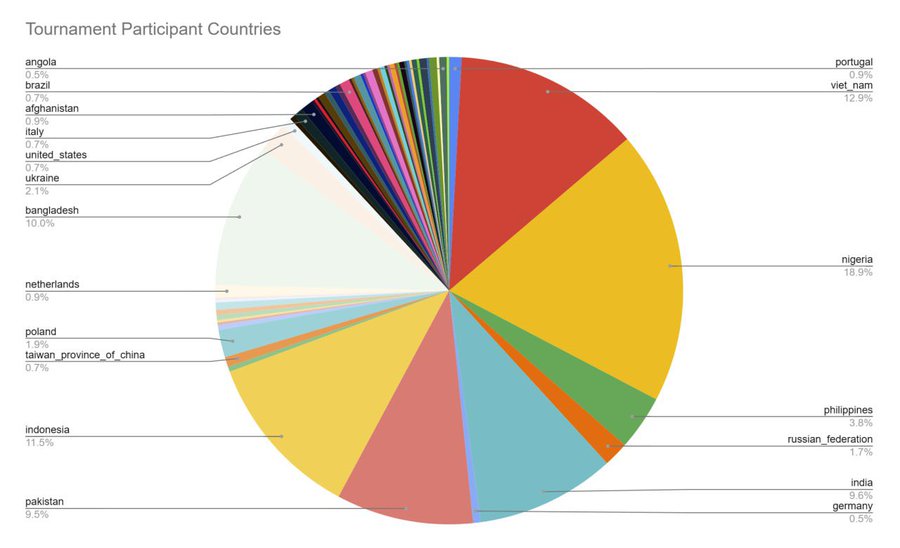
The participation data gives a clear picture of where the game is gaining traction.
Nigeria leads with 18.9%
Vietnam follows at 12.9%
Indonesia at 11.5%
Bangladesh at 10.0%
India at 9.6%
Pakistan at 9.5%
Then you have smaller shares from countries like the Philippines (3.8%), Ukraine (2.1%), Poland (1.9%), Russia (1.7%), and the United States (0.7%).
This isn’t surprising if you’ve been watching the crypto gaming space closely.
The strongest adoption of play-to-earn games continues to come from Southeast Asia, South Asia, and parts of Africa—regions where mobile gaming is already dominant and blockchain rewards add real value.
For the Mavia Global Tournament 2026, that global spread gives it credibility right out of the gate.
Landowner and Loyalist Rewards Completed Before Tournament Launch
Another detail that shouldn’t be overlooked is timing.
Before announcing the tournament, the team completed distribution of Landowner and Loyalist Rewards.
That matters because these systems are directly tied to the game’s economy.
Landowners earn resources from NFT land plots
Loyalists are rewarded for long-term participation
By wrapping up those rewards first, the team avoided mixing economic uncertainty with competitive play.
It’s a more disciplined approach than what we usually see in web3 game ecosystems, where multiple systems often overlap and create confusion.
Heroes of Mavia: A Web3 Strategy Game Built for Competitive Play
At its core, the Heroes of Mavia Global Tournament 2026 feels like a test.
Not just of player skill—but of whether the game can support structured competition long-term.
The ingredients are there:
A 1,280 player cap that keeps things competitive
A $10,000 prize pool that rewards more than just winners
A clear tournament format that reduces randomness
Gameplay adjustments like the Underdog-Favorite Cap set to 10
None of this guarantees success. But it does show intent.
And in the world of web3 esports, intent backed by structure is still relatively rare.
If this tournament runs smoothly, it won’t just crown a winner on July 1, 2026—it could quietly set the standard for how future crypto gaming tournaments are built.
Disclaimer : This article is for educational purposes only. Play-to-earn rewards are not guaranteed, and crypto assets can be volatile. Always do your own research before investing time or money in any game.