NFT Ticketing Security: Risks and Data Protection Tips

What Is NFT Ticketing and How It Works
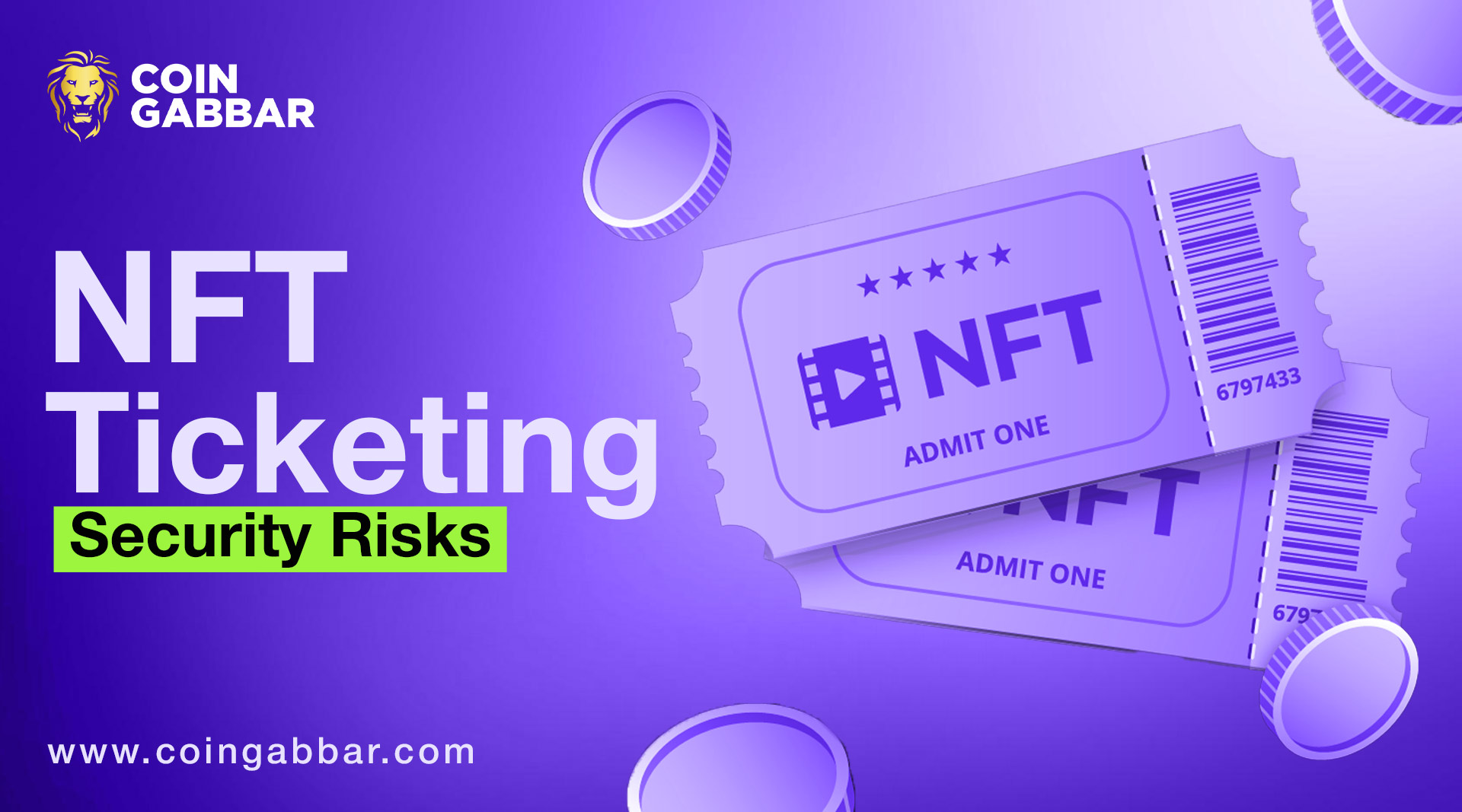
The integration of NFTs (Non-Fungible Tokens) into ticketing systems is one of the most innovative applications of blockchain technology in the crypto event space. NFT ticketing allows for secure, verifiable, and tamper-proof tickets that can enhance the event experience for both projects and investors. However, as with any new technology, there are security risks associated with NFT ticketing that need to be addressed.
For projects, adopting NFT ticketing can offer a streamlined and secure way to manage event access, but it also comes with the responsibility of ensuring the safety and integrity of participants' data. For investors, NFT events tickets offer exciting benefits like provenance, scarcity, and digital collectibles, but these benefits come with their own set of security risks.
What is NFT Ticketing?
NFT ticketing is the use of Non-Fungible Tokens to represent access to events such as concerts, conferences, and festivals. Each NFT ticket is unique and verified on the blockchain, ensuring that it cannot be duplicated, forged, or manipulated. NFT tickets offer the advantage of immutable records, allowing for transparent ownership and easy verification.
For projects, NFT ticketing provides a secure method of tracking event access and reducing fraud. For investors, NFT tickets offer a new level of engagement, with the possibility of owning a digital collectible that represents their participation in a significant event.
Common Security Risks of NFT Ticketing
1. Smart Contract Vulnerabilities
NFTs rely on smart contracts, which are self-executing contracts with the terms of the agreement directly written into code. While smart contracts offer great benefits, they can also be vulnerable to exploits or coding errors. If a smart contract is not properly audited, hackers could exploit vulnerabilities to counterfeit or manipulate NFT tickets.
For projects, any exploit in the smart contract used for NFT ticketing can lead to significant security risks, including the potential for fake tickets to be generated or even the loss of control over event access. For investors, purchasing an NFT ticket tied to a vulnerable smart contract could expose them to fraud or financial loss.
How to Protect Against Smart Contract Risks:
-
For projects, work with auditing firms to ensure that the smart contracts governing your NFT tickets are properly tested and free from vulnerabilities.
-
For investors, only purchase tickets from events that use audited smart contracts from reputable platforms or developers.
How to Verify Legit Crypto Conferences Spot Real Crypto Conferences
2. Phishing Attacks Targeting NFT Ticket Holders
For projects, scammers often impersonate legitimate ticket vendors or event organizers to trick participants into sharing their private keys or wallet information. These phishing attacks often come in the form of fake websites, emails, or social media messages claiming to offer NFT tickets for sale or claiming that your ticket needs to be verified.
For investors, phishing attacks targeting NFT ticket holders can lead to stolen assets or personal information. Scammers can create fake NFT ticket platforms or send fraudulent ticket links that redirect you to malicious websites designed to steal your wallet credentials.
How to Avoid Phishing Attacks:
-
For projects, educate your attendees about the risks of phishing and encourage them to only interact with official platforms and communication channels.
-
For investors, always double-check URLs and verify any communication about NFT ticketing directly with event organizers. Never share your private key or wallet information with anyone.
Red Flags in Crypto Conferences Identify Warning Signs in Crypto Conferences Early
3. Wallet Security Risks
NFT tickets are typically stored in crypto wallets, which can be vulnerable to hacking or theft if not properly secured. For projects, if the NFT tickets are not securely stored in cold wallets or are stored on insecure platforms, you risk losing control over ticket distribution and access to your event.
For investors, storing your NFT tickets in hot wallets (wallets connected to the internet) increases the risk of exposure to hacking. If your wallet is compromised, you could lose not only your NFT ticket but also other digital assets stored in the same wallet.
How to Secure Your Wallet:
-
For projects, ensure that NFT tickets are securely stored in cold wallets (offline storage) and provide event participants with guidance on how to securely store their NFT tickets.
-
For investors, use hardware wallets to store your NFT tickets and other digital assets. Avoid keeping valuable NFTs in wallets that are regularly connected to the internet.
4. Impersonation and Fake NFT Ticket Offers
As the popularity of NFT ticketing grows, so does the risk of scammers impersonating legitimate NFT ticket platforms or event organizers. Scammers may create fake NFT ticket listings on secondary marketplaces like OpenSea or other NFT platforms, offering fraudulent tickets to unsuspecting investors.
For projects, it’s important to monitor secondary markets where NFT tickets may be resold and ensure that all legitimate tickets are correctly listed and not subject to unauthorized sales. For investors, purchasing NFT tickets from unverified sources or secondary markets can expose you to the risk of buying fake tickets or being scammed.
How to Avoid Fake NFT Ticket Offers:
-
For projects, monitor secondary marketplaces and actively take action to prevent fake tickets from being sold. Use official platforms to sell and resell NFT tickets.
-
For investors, always buy NFT tickets directly from the official event platforms or trusted sources. Verify ticket authenticity through event organizers before purchasing from secondary markets.
How to Avoid Fake Crypto Event Listings tay Safe by Verifying Event
5. Rug Pulls and Fraudulent NFT Ticket Projects
A rug pull happens when a project collects money and then disappears, leaving users with no value. In NFT ticketing, scammers may sell fake event tickets and vanish without hosting anything.
For projects, this can damage trust and lead to legal issues. For investors, it means losing money and event access.
How to Avoid Rug Pulls:
Projects should be transparent, share clear plans, and use audited smart contracts.
Investors should research the team, check reviews, and verify event details before buying NFT tickets.
Best Practices for Secure NFT Ticketing
1. Use Reputable NFT Platforms
For projects, choose trusted NFT platforms such as OpenSea, Rarible, or Foundation for ticket creation and distribution. These platforms have built-in security measures and large user bases, providing credibility and reducing the risk of fraud.
For investors, ensure that you’re purchasing NFT tickets through well-known, verified platforms that offer secure transactions and verification features.
2. Smart Contract Audits
For projects, conduct thorough smart contract audits to ensure that the NFT ticketing contracts are secure, free from vulnerabilities, and properly structured to prevent fraud or manipulation.
For investors, verify that the NFT ticket contract has been audited and is implemented securely to protect your assets.
3. Limit Access to NFT Ticketing Systems
For projects, ensure that the NFT ticketing platform you use has strict access controls, allowing only authorized individuals to modify ticket data, manage distributions, or perform administrative actions.
For investors, avoid using platforms that offer limited security features or easy access to ticket data. Ensure that personal data is only accessible to authorized parties.
Protecting Data at Protect Personal Info at Every Crypto Gathering
Conclusion
NFT ticketing offers a revolutionary way to manage event access in the crypto world, but it also introduces unique security risks. By understanding these risks and following best practices, projects can create secure, trustworthy event platforms, and investors can confidently participate in the growing world of NFT-based .For projects, ensuring that your NFT ticketing system is secure, audited, and compliant will protect both your event and your attendees. For investors, always verify NFT tickets and purchase from legitimate sources to avoid falling victim to scams or fraud.
Disclaimer:
This content is for informational purposes only and does not constitute financial or investment advice. Always perform due diligence and ensure that the platforms you use for NFT ticketing comply with security standards and regulations.