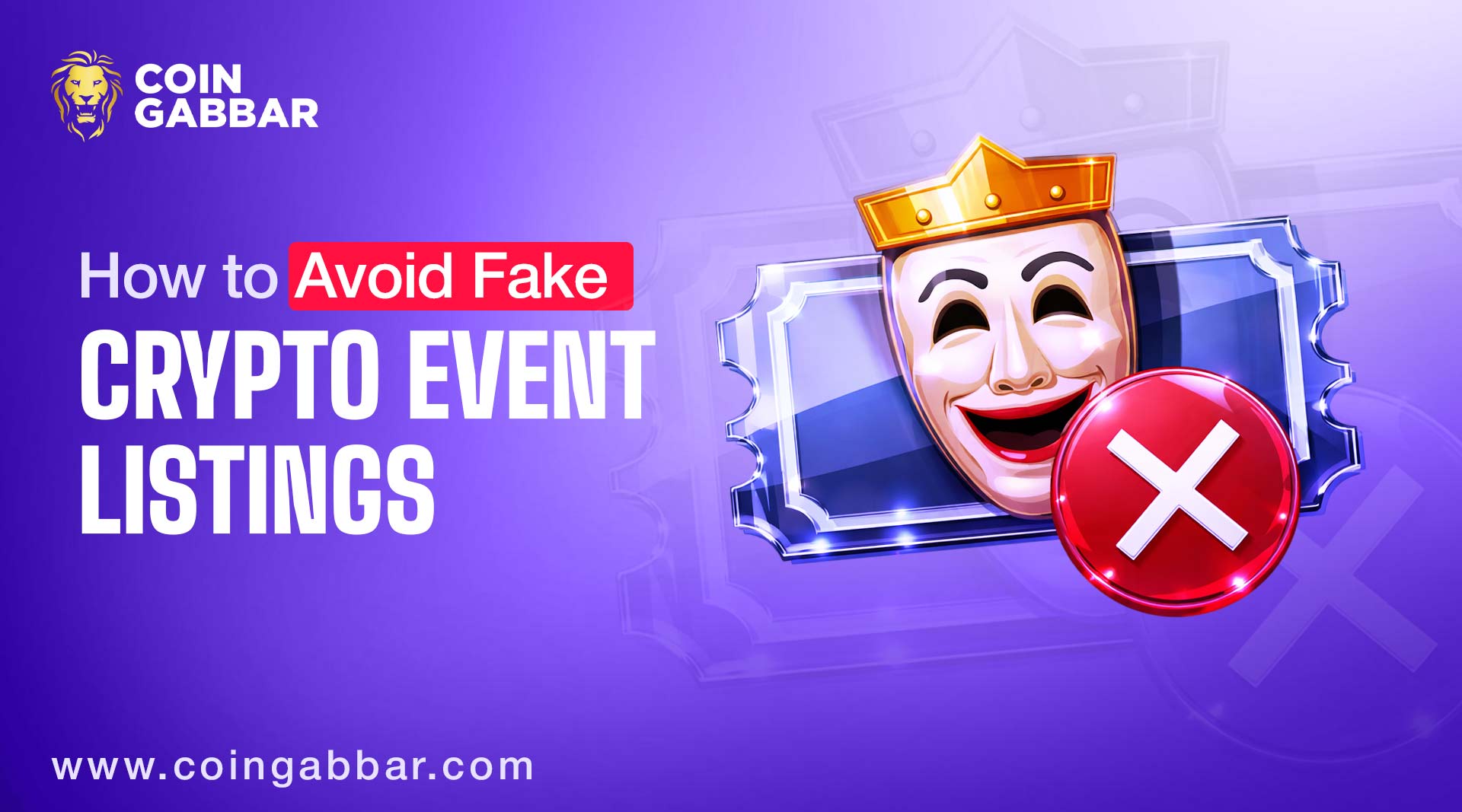
How to Spot and Avoid Fake Crypto Event Listings

Why Fake Crypto Event Listings Are Dangerous
As the crypto industry continues to expand, crypto events and conferences have become essential platforms for networking, education, and investment opportunities. However, this growth has also led to a rise in fake crypto event listings designed to scam projects and investors.
Fake listings often appear convincing, using professional branding, well-known names, and aggressive marketing tactics to lure participants. Without proper verification, both projects and investors risk losing money, exposing sensitive data, or wasting valuable time.
This guide will help you identify fake crypto event listings, understand common warning signs, and take practical steps to ensure you only participate in legitimate and secure blockchain events.
Common Signs of Fake Crypto Event Listings
1. Unverified Event Organizers
For projects: Legitimate events are usually hosted by known organizations or experienced event companies. If the organizer lacks a track record, it’s a major warning sign.
For investors: If you cannot find any credible information about the organizer online, the event may be fake.
How to Avoid This:
-
Research the organizer’s past events and reputation
-
Check official websites and social media profiles
-
Look for mentions in trusted Crypto Event Listings media platforms
How to Verify Legit Crypto Conferences and Avoid Scams
2. Fake or Misleading Event Listings
For projects: Fake listings may appear on random websites or social media pages without official confirmation.
For investors: If the event is not listed on trusted platforms, it could be fraudulent.
Red Flags:
-
Event listed only on unknown or low-quality websites
-
No presence on reputable event platforms
-
Inconsistent event details across platforms
How to Avoid This:
-
Cross-check event listings on multiple trusted platforms
-
Visit the official website directly instead of relying on ads
3. Lack of Official Website or Domain Issues
For projects: A missing or suspicious website indicates poor credibility.
For investors: Fake events often use domains similar to legitimate ones to confuse users.
Red Flags:
-
Misspelled domain names
-
No HTTPS (no padlock symbol)
-
Recently created domains
How to Avoid This:
-
Verify domain authenticity and age
-
Ensure the website uses HTTPS security
-
Avoid clicking on suspicious links from ads or emails
Event Compliance in Crypto Industry Compliance First for Safer Crypto Event Listings
4. No Verifiable Speakers or Agenda
For projects: Fake listings often include fabricated speaker names or vague agendas.
For investors: Lack of detailed session information is a strong indicator of a scam.
How to Avoid This:
-
Verify speakers on LinkedIn or Twitter
-
Check if speakers have acknowledged the event publicly
-
Look for a clear and structured agenda
5. Suspicious Ticketing and Payment Methods
For projects: Fake events may request sponsorship or listing fees upfront without contracts.
For investors: Fraudulent listings often push crypto-only payments or direct transfers.
Red Flags:
-
Payments requested via unknown wallets
-
No refund or cancellation policy
-
Pressure to buy tickets quickly
How to Avoid This:
-
Use official ticketing platforms
-
Avoid direct transfers or unverified crypto payments
-
Confirm payment security and policies
Ticket Fraud in Crypto Events Your crypto is real make sure your ticket is too
6. Overhyped Marketing and Unrealistic Claims
For projects: Fake listings promise guaranteed exposure, investors, or token listings.
For investors: Claims of “exclusive deals” or “instant profits” are common scam tactics.
How to Avoid This:
-
Be skeptical of exaggerated claims
-
Focus on events emphasizing education and networking
-
Verify testimonials and past event success
7. No History of Past Events
For projects: Legitimate organizers showcase past events, photos, and testimonials.
For investors: Lack of historical data or reviews indicates potential fraud.
How to Avoid This:
-
Search for past Crypto Event Listings videos or photos
-
Look for attendee feedback on forums or social media
-
Verify event continuity and brand presence
Conclusion
Avoiding fake crypto event listings requires vigilance, research, and careful verification. Always confirm the authenticity of organizers, speakers, ticketing systems, and event platforms before committing.
For projects, participating in legitimate events builds credibility and meaningful partnerships. For investors, it ensures access to valuable insights and genuine opportunities.
If an event seems too good to be true, it likely is. Always prioritize security, transparency, and due diligence when choosing crypto events to attend.
Disclaimer
This content is for informational purposes only and does not constitute financial or investment advice. Always conduct your own research before participating in crypto events.