KAST Crypto Card Fees Explained: A Clear Guide to Everyday Costs

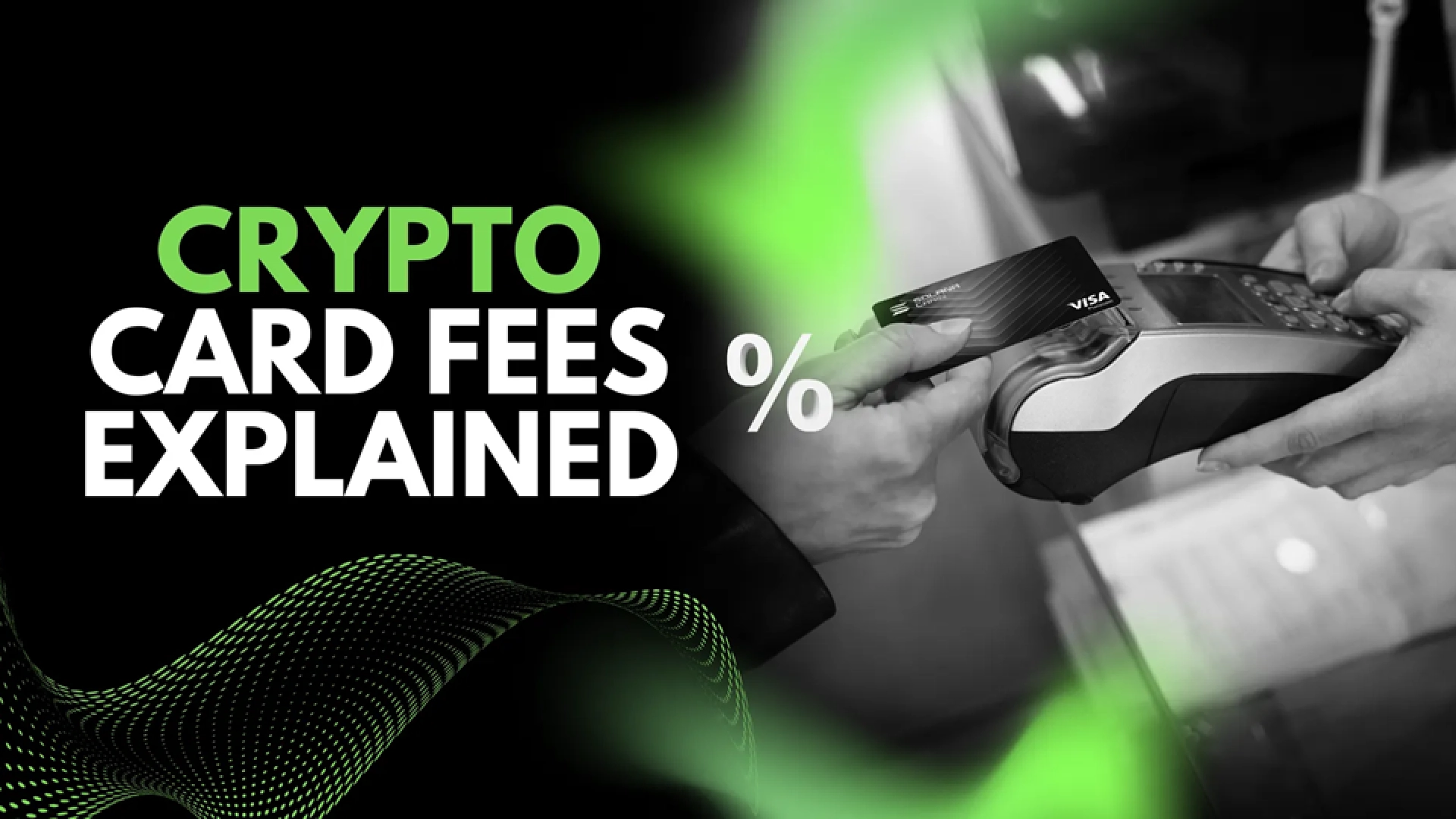
Understanding KAST Crypto Card Fees, FX Charges and Conversion Costs
Spending with a crypto card is fairly straightforward: tap or swipe, and payment is dealt just as with any regular debit card. Behind that ease, however, lie several small costs that keep the whole system running smoothly.
These are not traps or hidden fees: most of them exist in traditional card systems, too. Understanding it simply helps in spending wiser and avoids costs that could be reduced with a few good habits.
Network Fees: The Cost of Transferring Crypto on the Blockchain
Before a user can spend crypto using your card, you usually transfer assets from the wallet to the card account. That transfer requires a network fee, also known as a gas fee. This is charged by the blockchain, not the card provider.
-
Blockchains like Solana or Polygon usually cost a few cents.
-
Networks such as Ethereum may get expensive during peak hours.
The more people use the network, the higher the gas fee; this amount constantly fluctuates throughout the day.
How to reduce this cost:
-
Wherever possible, use low-fee networks.
-
Move funds during the quiet hours, when gas prices are low.
-
Pay using stablecoins issued on efficient chains to maintain predictable transfer fees.
If your card account supports deposits through several networks, like KAST, each time you load funds you can select which network that will be the most economical.
Conversion Spread: The Silent Cost Inside Every Purchase
When you use your crypto card for payment, your digital assets are automatically converted into the local currency so the merchant receives cash. The conversion rate you are offered is generally very close to the market rate, but it is not precisely the same.
A small difference between the actual market price and the rate applied at checkout is termed as conversion spread.
Most of the companies maintain this spread at about 1–2 percent. It is not revealed as a distinct fee because it is incorporated directly into the exchange rate.
Reasons for its existence:
At the time of purchase, instant conversion of crypto to fiat requires a very efficient system which entails high maintenance cost. The spread is one way of covering that cost.
This knowledge allows you to realize the true cost of each transaction, even though the fee is not separately listed.
FX Fees When Spending in Another Currency
When a card is used to purchase something in a different currency from its base, the holder may be charged a foreign exchange (FX) fee.
This fee covers the cost of converting one fiat currency into another, and it’s common across all card systems - crypto or not. Some platforms layer multiple conversions (for example, converting crypto to USD first, then USD to EUR), which can quietly increase your total cost.
Modern providers are simplifying this by converting directly to the transaction currency in one step. For example, KAST applies a flat FX rate on non-USD transactions, converting directly from stablecoins to the local currency at the point of purchase - one step instead of two. This helps keep your international spending predictable. You know exactly what’s being charged and why.
Dynamic Currency Conversion (DCC): The Fee Never to be Paid
The payment terminal is asking whether you want to pay in your home currency (e.g. USD) instead of the local currency (e.g. BRL), selecting your home currency triggers Dynamic Currency Conversion (DCC).
This leads to the merchant’s payment processor controlling the exchange rate, and those rates tend to be quite poor. The markups can vary from 6 to 16%--a lot more than the standard rate of Mastercard or Visa.
Here is a simple example for a €100 bill:
Cost Difference When Paying in USD vs Local Currency
If you choose to pay in USD (DCC applied):
-
The payment terminal converts €100 bill into USD.
-
A high markup is added, usually around 16%.
-
The final amount you pay comes to roughly $116.
If you choose to pay in local currency (EUR):
-
Your crypto card handles the conversion instead of the terminal.
-
If you’re using a KAST card, the FX fee is fixed at 2% (but this varies by provider).
-
The final cost is approximately $102 for the same €100 bill.
A single choice can save you $14 for the same purchase.
How to avoid it: Always choose the local currency. Let your KAST crypto card handle the conversion instead of the terminal.
ATM and Cash Withdrawal Fees
Using crypto card to take out cash from an ATM, there are usually two charges:
-
A fee from the operator of the ATM
-
A withdrawal fee from your card provider
The same is true with traditional bank cards. The exact amount varies, but the ATM operator normally charges a fixed amount such as $2–$3, and your provider may add a little extra to that.
It is almost always cheaper to pay directly with your KAST crypto card rather than withdrawing cash because ATM fees include extra network costs that regular card payments do not.
Other Administrative Fees You Should Know About
Some card providers may charge small additional sums depending on the policy. These include:
-
Inactivity fees if the card is not used for several months ($2 to $5)
-
Replacement fees if you lose your card ($5–$15)
-
Fees for premium plans by month or year
-
Shipping charges for speedy delivery
These are not exclusive to crypto cards. Banks and fintech companies have similar policies. It is always a good idea to check the fee list before signing up so you know what to expect.
Rewards and How They Balance Costs
Most crypto cards reward systems include cashback or points for eligible purchases, ultimately offsetting some of the insignificant fees that are paid while transacting.
If you use your card regularly, over time, the reward system can return value to balance the gas fees, conversion spreads, and FX fees.
KAST gives users up to 8% back in KAST Points when they make eligible purchases, which helps them earn extra value while spending.
Sometimes, the app also gives special boosted rewards for a short time. So even if there is a small conversion or network fee, the rewards you earn can help cover those costs in the long run.
Simple Habits to Keep Your Costs Low
A few practical steps can make your crypto spending more efficient:
-
Use stablecoins to avoid price swings while spending.
-
Combine multiple wallet-to-card transfers into one larger top-up.
-
Prefer blockchains with low transaction fees.
-
Keep track of rewards, as they may accumulate quickly.
-
Avoid ATM withdrawals unless necessary.
Conclusion
Every payment system has its costs, whether traditional or crypto-based. These fees support the infrastructure that allows instant, safe, and global transactions. Knowing how each type of fee works gives you better control over your spending.
Platforms like KAST focus on giving you clear, easy control over your daily crypto spending. Sign up to see how simple, transparent, and rewarding using crypto can become.
Also read:








.webp)