LBank vs Other Exchange Listings: Key Differences Explained

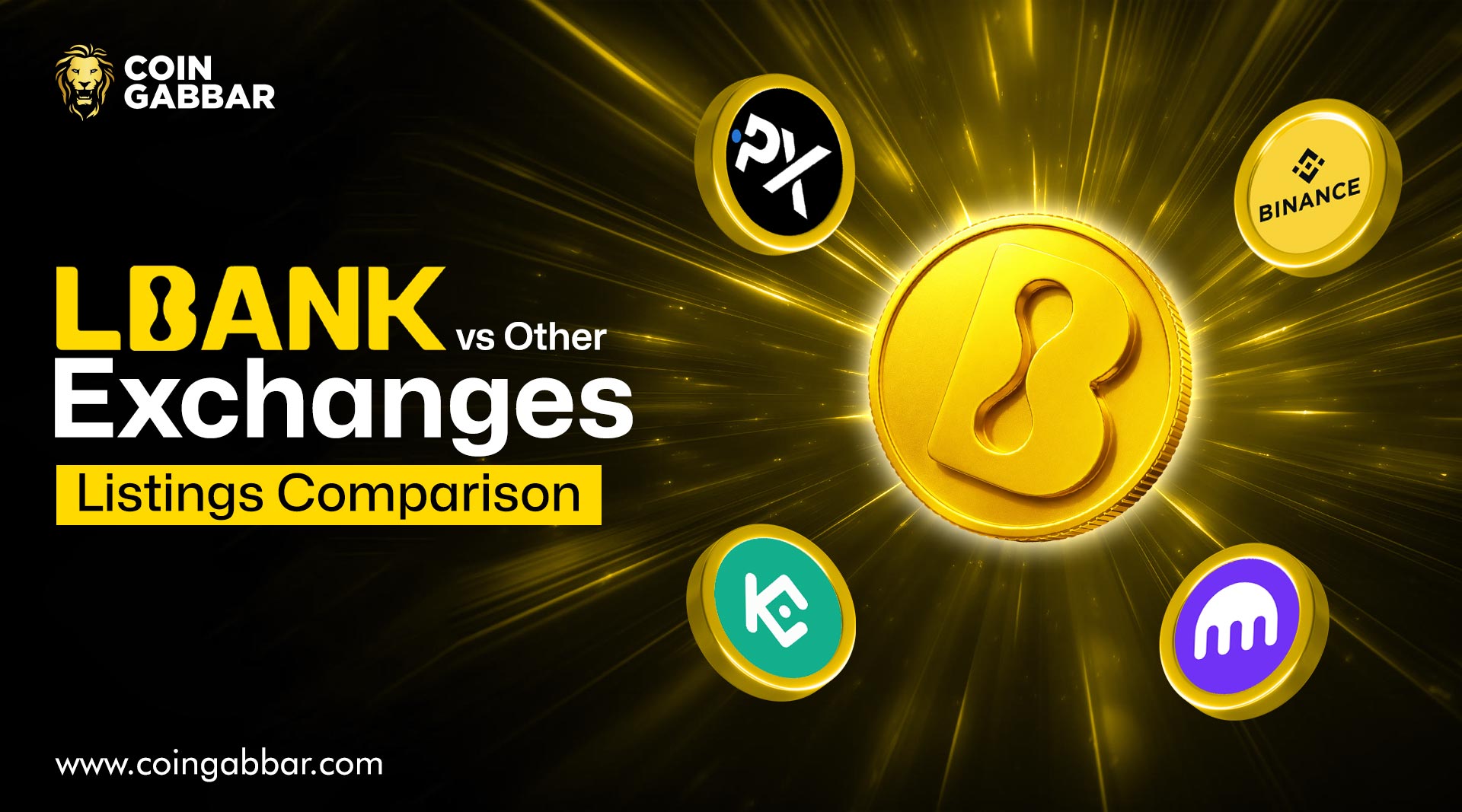
LBank vs Other Exchange: Listing Process Compared
When a crypto project decides to list its token, choosing the right exchange is a crucial step in its market strategy. LBank is one of the leading platforms, offering both spot and futures listings. However, it's important to understand how LBank’s token listing process compares to other major exchanges listing in the crypto space.
This guide compares LBank token listings with listings on other well-known exchanges, helping both projects and investors understand the differences in listing processes, fees, market types, and overall advantages.
LBank vs Other Exchanges: Key Differences
1. Listing Process and Requirements
LBank offers a structured listing process, focusing on factors like token utility, market potential, and liquidity. The process involves a detailed application, security checks, and legal reviews.
On the other hand, other exchanges may have slightly different requirements:
Binance: Binance is known for its high standards, requiring robust market metrics, a substantial community following, and substantial trading volume before listing.
Coinbase: Coinbase typically lists tokens after a thorough vetting process, including compliance with U.S. regulations.
KuCoin: Similar to LBank, KuCoin accepts tokens that have a strong community and meet market-making criteria but may have slightly different compliance checks.
For projects, the primary distinction lies in the level of scrutiny each exchange applies during the listing process.
2. Market Types: Spot vs Futures Listings
LBank provides both spot and futures listings, allowing projects to choose the best fit for their token's market strategy.
Spot listings involve buying and selling tokens directly without leverage. Spot markets are great for long-term investors who seek to hold tokens.
Futures listings offer leveraged trading, where users can speculate on price movements with greater risk and reward. Futures markets are more suited for short-term traders and professionals.
When comparing other exchanges:
Binance and KuCoin both offer spot and futures listings. However, Binance tends to focus more heavily on futures for large market players, while KuCoin offers a broader range of trading pairs.
Coinbase, on the other hand, currently only provides spot listings, focusing on regulatory compliance and user accessibility.
For investors, LBank’s mix of spot and futures listings offers flexibility, allowing them to choose between lower-risk, long-term investments or higher-risk, leveraged trades.
3. Listing Fees
LBank charges listing fees for tokens that wish to be listed, but the fee structure is often more flexible compared to other exchanges.
Binance: Binance’s fees are often negotiable, especially for well-known projects or larger tokens, and can be much higher than LBank’s.
Coinbase: Coinbase has a very selective listing process with high fees for premium tokens. They focus on regulatory compliance and token maturity.
KuCoin: Listing fees for KuCoin are lower than Binance but higher than LBank’s, and they offer more flexible arrangements for smaller projects.
The listing fees on LBank are generally considered to be more accessible, making it a good choice for new and smaller projects.
4. Token Eligibility and Compliance
The eligibility criteria for token listings vary significantly across exchanges. While LBank ensures compliance with key regulations and performs due diligence, other exchanges may have stricter or more lenient requirements.
LBank: LBank is known for providing opportunities to new and emerging projects that meet their technical, compliance, and liquidity standards.
Binance: Binance has one of the toughest listing requirements. Tokens must meet a series of financial and regulatory criteria before being approved.
Coinbase: Coinbase’s listing process is heavily influenced by regulatory compliance, especially within the United States. Only tokens that comply with U.S. securities laws are considered for listing.
Projects that are not mature enough for larger exchanges like Binance or Coinbase may find LBank more welcoming, as LBank focuses on token potential rather than just compliance or market volume.
5. User Base and Exposure
One of the biggest differences between LBank and other exchanges is user base and the level of exposure tokens can expect after being listed.
LBank has a growing user base, particularly in Asia, and provides access to a community of traders focused on emerging cryptocurrencies.
Binance and Coinbase have much larger, more global user bases. Binance, in particular, offers a massive amount of liquidity, while Coinbase is popular in North America and is seen as a gateway to mainstream crypto adoption.
For projects, the exposure on Binance or Coinbase is unparalleled, but it also comes with fierce competition. LBank offers a more niche, specialized environment, potentially increasing the chances of being noticed by its active traders.
6. Liquidity and Market Depth
Liquidity is an important consideration when listing on any exchange. LBank supports a variety of tokens, but liquidity can be more volatile for newer or smaller tokens.
Binance and Coinbase generally offer superior liquidity due to their larger market sizes and the vast number of tokens listed.
KuCoin and LBank are more flexible and may list a greater number of lesser-known tokens, but the liquidity can vary significantly.
For investors, liquidity is important for both spot and futures trading, and LBank’s liquidity is continually improving, especially for tokens that have high demand within its user base.
LBank Spot Market New Listings
How LBank Compares to Other Exchanges for Token Projects
LBank provides a unique opportunity for emerging crypto projects to list their tokens and gain exposure, especially for those that do not meet the stringent listing criteria of Binance or Coinbase. However, for projects aiming for global visibility, Binance or Coinbase might be the ultimate goal due to their larger user base and deeper liquidity.
For projects, the decision to list on LBank often depends on:
Market size and target audience
Regulatory constraints
Token liquidity and demand
How LBank Compares to Other Exchanges for Investors
For investors, the decision to trade on LBank versus other exchanges largely depends on the market strategy.
If you’re looking for higher liquidity and global exposure, exchanges like Binance or Coinbase may offer more opportunities.
If you’re interested in emerging tokens, spot trading, or futures contracts on less-known projects, LBank can be a great choice, offering lower fees and flexible listing options for newer projects.
Conclusion
Comparing LBank listings with other exchanges like Binance and Coinbase reveals significant differences in the listing process, liquidity, fees, and market types. For both projects and investors, understanding these differences is crucial for making informed decisions. While LBank may not have the same global reach as Binance or Coinbase, it offers a valuable platform for emerging tokens, especially those that may not meet the stringent listing requirements of larger exchanges.
Whether you’re a token project looking for exposure or an investor seeking new opportunities, LBank provides a dynamic platform with its own set of advantages.
Disclaimer
This content is for informational purposes only and does not constitute financial or investment advice. Cryptocurrency trading involves significant risk. Always conduct your own research before making investment decisions.