LBank Exchange Listings: New, Upcoming & Delisted Crypto Coins
Track the latest LBank exchange listings, including new, upcoming, and delisted tokens with listing dates, trading pairs, and status. Always research before investing.


























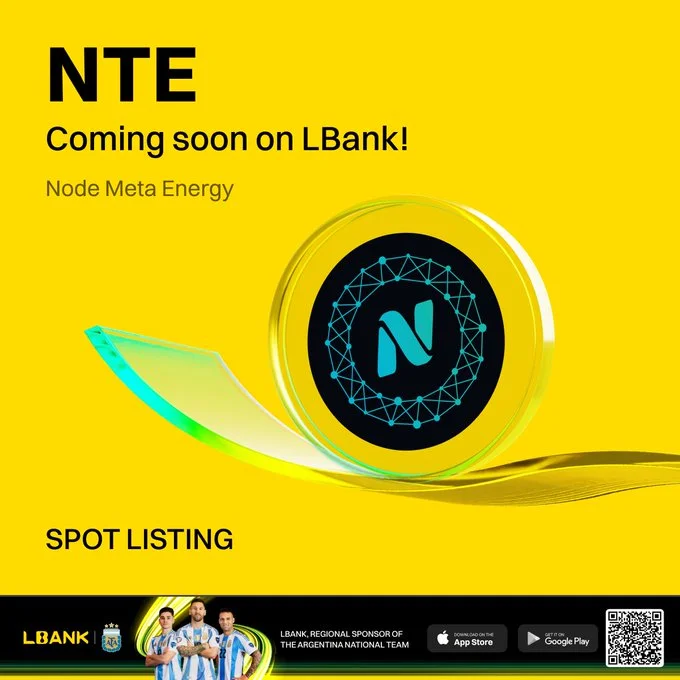

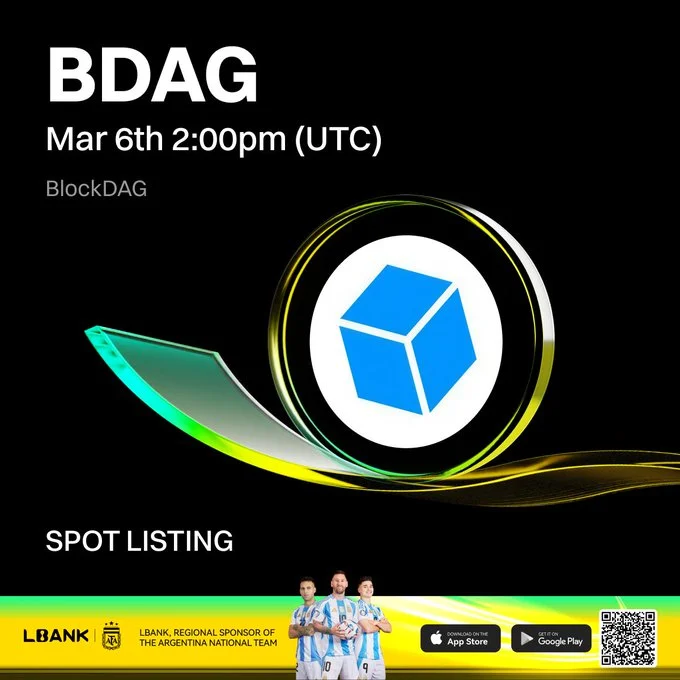
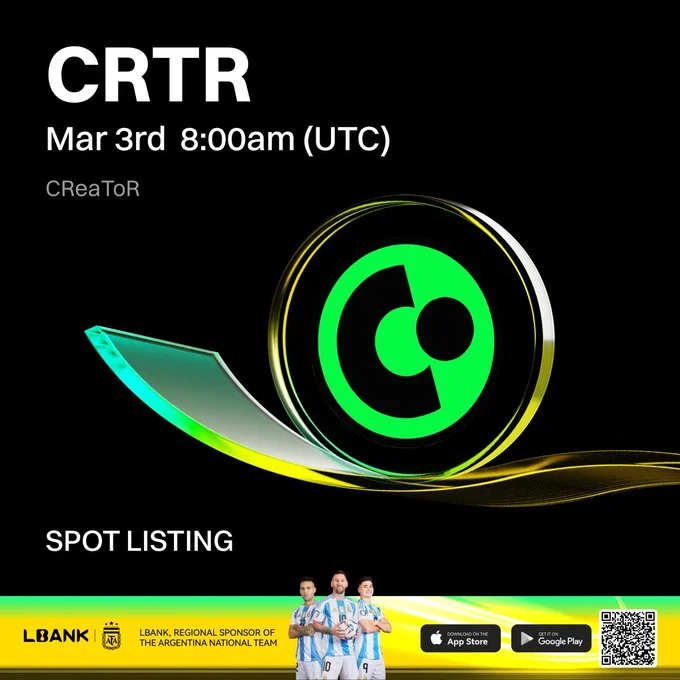
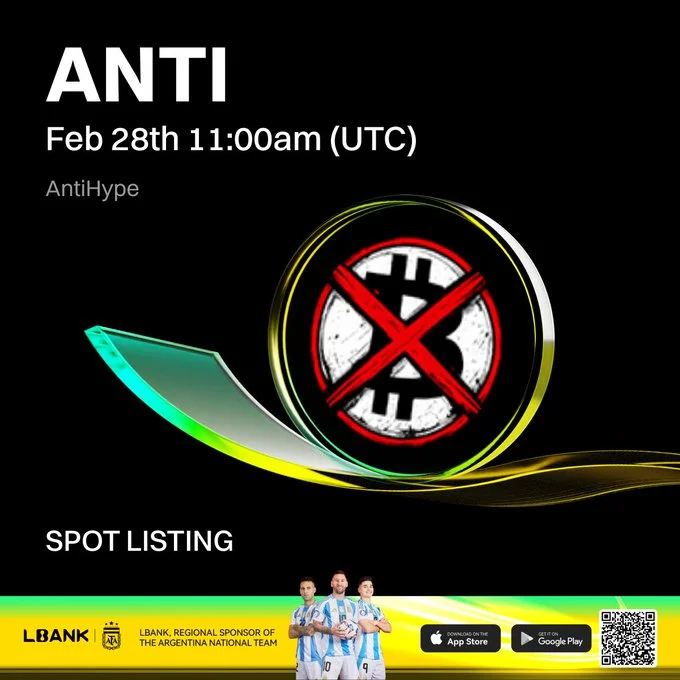
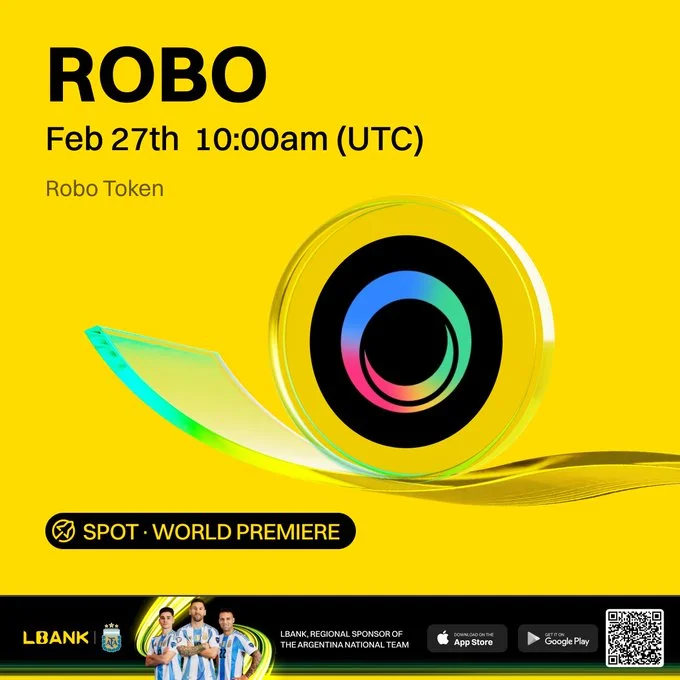
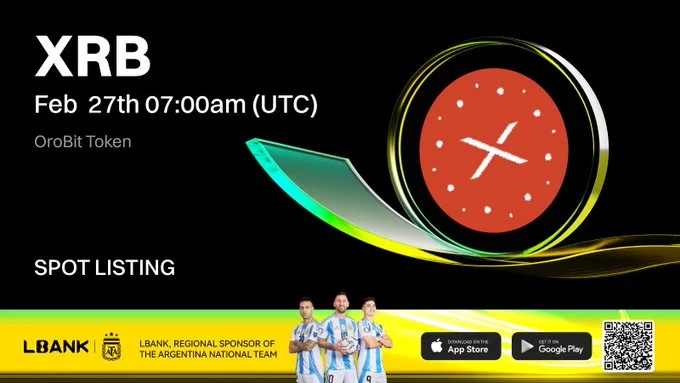
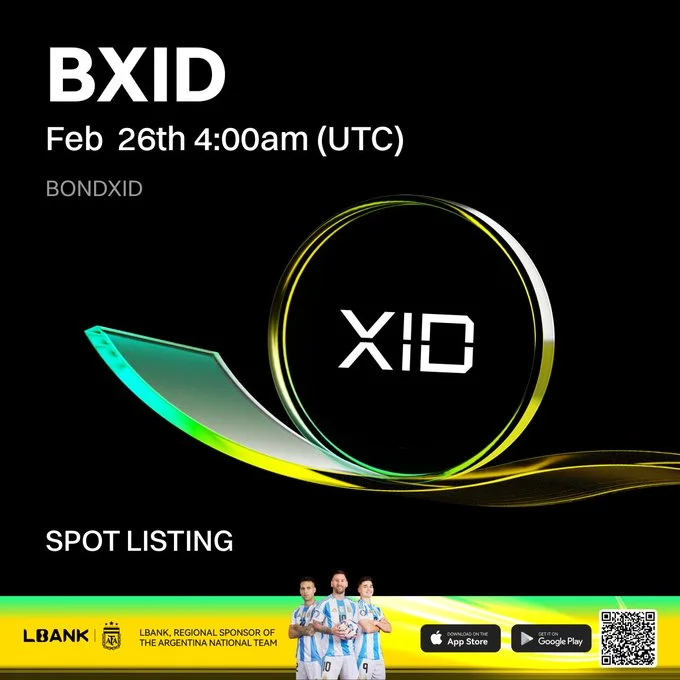
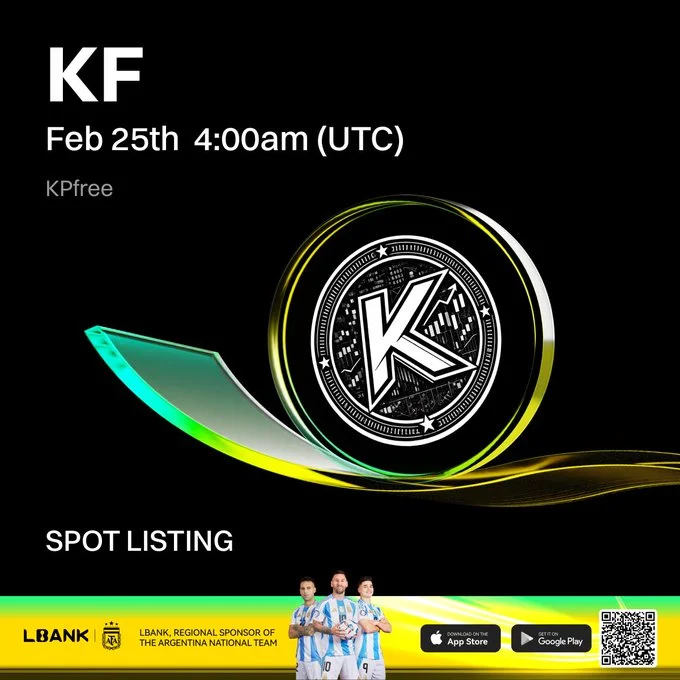

LBank Listings at a Glance
This page helps you track LBank new listings and upcoming token listings in one place. Before using any listing information, check the latest exchange announcement because dates, trading pairs, deposits, withdrawals, and networks can change.
- Find newly listed coins and upcoming tokens on LBank.
- Check the planned listing date and trading pair.
- Review deposit and withdrawal opening times.
- Confirm the blockchain network and contract address.
- Track delayed, ended, or delisted tokens.
- Research supply, liquidity, utility, and project risks before trading.
What Are LBank Exchange Listings?
LBank exchange listings are crypto assets added to the exchange for spot trading or another supported market. Once a token is listed, eligible users may be able to deposit it, trade it through an available pair, and withdraw it after withdrawals open.
Each LBank token listing can have a different schedule. Deposits may open before trading, while withdrawals may start later. A token may also work on one blockchain network but not another. This is why users should check all listing details instead of looking only at the trading date.
Main Listing Details
A normal LBank listing announcement may include several details that help users identify the correct token and understand when trading services may open.
- Project and token name
- Token ticker or symbol
- Supported trading pair
- Deposit opening date and time
- Trading start date and time
- Withdrawal opening date and time
- Supported blockchain network
- Official contract address
- Current listing status
You can also explore the wider crypto exchange listing calendar to compare newly listed coins across different exchanges.
Track the Latest LBank New Listings
The LBank new listings section gives users a simple way to find recently added crypto assets. Instead of searching through many separate announcements, you can review listing records and find tokens that match your research needs.
New LBank coin listings may include utility tokens, meme coins, artificial intelligence tokens, gaming assets, DeFi tokens, ecosystem coins, payment tokens, and other digital assets. A token category only describes its stated market area. It does not show that the project is safe, useful, or likely to rise in value.
Recently Listed Tokens
A recently listed token is an asset whose planned trading start time has already passed. It may be available for trading, but users should still check its live market and service status before taking action.
When studying a recent LBank listing, check:
- Whether deposits and withdrawals are active
- Which trading pair is supported
- Whether there is enough market liquidity
- How the price moved after trading opened
- Whether the contract address is correct
- Whether token supply data is public
- Whether any listing schedule has changed
Users can compare the token’s current value, market movement, and trading activity through the crypto price prediction page before making a decision.
How to Find LBank Upcoming Listings
LBank upcoming listings are tokens that have been announced but have not started trading yet. These upcoming crypto listings may attract attention because users want to research a project before its first trading session begins.
An upcoming LBank listing should not be treated as a promise of profit. A trading schedule may be delayed, changed, or cancelled. Technical work, liquidity needs, project issues, blockchain conditions, or compliance checks may affect the final launch.
Check the Listing Schedule
Read all dates and times shown in the listing information. Crypto exchanges often publish schedules in Coordinated Universal Time, or UTC. Convert the stated time into your local time zone before preparing to trade.
Pay attention to three separate events:
- Deposit opening: When users may start sending the token to the exchange.
- Trading opening: When the listed trading pair may become active.
- Withdrawal opening: When users may move tokens out of the exchange.
These services do not always open at the same time. Never assume a token can be withdrawn as soon as trading begins.
Confirm the Trading Pair
A trading pair shows which asset can be used to buy or sell the new LBank token. For example, a token may start trading against a stablecoin such as USDT. Users need the correct quote asset in their account before placing an order.
Also check whether more than one crypto asset uses a similar ticker. The full project name, blockchain network, and smart contract address can help you find the correct token.
How to Read the LBank Listing Table
The LBank listing table gives a quick view of available token records. It can help users separate upcoming, ongoing, ended, delayed, or delisted assets. The fields shown for each token may differ based on the information available.
| Table Field | What It Shows | Why It Matters |
|---|---|---|
| Coin Name | The full project or token name | Helps identify the listed asset |
| Token Symbol | The short ticker used for trading | Helps users find the correct market |
| Listing Date | The planned or completed trading date | Shows when trading may begin |
| Trading Pair | The two assets used in the market | Shows which asset is needed to trade |
| Status | Upcoming, ongoing, ended, delayed, or delisted | Shows the current listing stage |
| Action | A link to view more token details | Provides access to more information |
Filters can make the listing table easier to use. Search by coin name or ticker when looking for one project. Use the status filter when you only want to find LBank upcoming listings, newly launched tokens, or delisted coins.
How to Verify an LBank Token Listing
Crypto listing information can change quickly. Before trading, compare the listing details with the latest official exchange and project information. This can help you avoid using an old schedule or buying a fake token with a similar name.
Check the Main Details
Before you act on an LBank listing today or any upcoming announcement, confirm these details:
- The full token and project name
- The correct ticker symbol
- The LBank trading pair
- The trading start date and time
- The deposit and withdrawal schedule
- The supported blockchain network
- The official smart contract address
If two sources show different dates or details, use the newest official announcement and wait for clear confirmation before sending funds.
What to Check Before Trading a New Token
A new LBank listing may see fast price changes because demand, available supply, and market depth can be uncertain during the first hours of trading. Some tokens rise quickly and then fall. Others may open below the price expected by early buyers.
Do not make a trading decision based only on a listing headline. Do basic research first and decide how much risk you can accept.
Project Purpose
Find out what the project is building and why its token is needed. A clear project website should explain its product, users, blockchain, roadmap, and token use.
Be careful when a project makes large claims but does not show a working product, clear documents, or other evidence that supports those claims.
Token Supply
Check the total supply, circulating supply, unlocked supply, and future token release schedule. A low circulating supply may make a token look scarce when trading starts. Later token unlocks can add more supply to the market and may create selling pressure.
Projects that started with an early fundraising round may also appear on the crypto presale listings page. Compare the presale price with the exchange launch price when reliable figures are available.
Liquidity and Volume
Liquidity shows how easily a token can be bought or sold without causing a large price move. Markets with low liquidity may have a wide gap between buy and sell prices. Large orders may also cause more slippage than expected.
Trading volume should also be checked with care. High volume during the first few minutes does not always mean demand will stay strong. Review trading activity over a longer period when possible.
Contract and Network
Always confirm the blockchain network and contract address before sending tokens. Using an unsupported network may lead to a loss of funds.
Get the contract address from a trusted project or exchange source. Compare the address carefully before making a transfer. Do not rely only on a token name or ticker because fake assets can use similar names.
Risks of LBank New Listing Trading
New-token markets can be highly speculative. A project may be real and still perform poorly after its LBank listing. Market conditions, token unlocks, low demand, development delays, security problems, or negative news can affect the price.
Common Listing Risks
Users should understand the main risks before trading newly listed crypto coins.
- High volatility: Prices may move sharply within seconds.
- Low liquidity: Orders may fill at a worse price than expected.
- Token concentration: A small number of wallets may control much of the supply.
- Fake tokens: Scammers may create assets with a similar name or ticker.
- Unclear utility: The token may have little real use.
- Unlock pressure: Early holders may sell newly released tokens.
- Schedule changes: Trading, deposits, or withdrawals may be delayed.
- Delisting risk: Exchange support may end if requirements are not met.
Follow broader crypto news and market updates because market-wide events can affect a newly listed token even when there is no project-specific announcement.
LBank Listing Status Explained
Understanding each status label can prevent confusion. A token shown on a listing page may not always be open for normal trading. Read its current stage and check the latest information before depositing funds or placing an order.
| Status | Meaning | What Users Should Check |
|---|---|---|
| Upcoming | Trading is planned for a future time | Confirm the date, pair, network, and contract |
| Ongoing | The listed activity is currently active | Check the live market and service status |
| Ended | A listing-related event has finished | Check whether normal trading still continues |
| Delayed | The planned schedule has changed | Wait for a confirmed new date and time |
| Delisted | Trading support has ended or will end | Review trading and withdrawal deadlines |
An LBank delisting notice deserves quick attention from token holders. Trading, deposits, and withdrawals may close on different dates. Check each deadline and follow the stated withdrawal steps before support ends.
How Projects Can Submit Listing Information
Project teams can share their exchange listing details for review and possible inclusion on Coin Gabbar. Complete and correct information makes an announcement easier for users to understand and reduces confusion.
A submission should include the official token name, ticker, exchange, trading pair, listing date, network, contract address, project website, and announcement source. Project teams should also update their information if the schedule changes.
Use the submit crypto exchange listing page to provide token listing details. Submission does not mean that Coin Gabbar recommends, verifies, or guarantees the safety or future performance of the asset.
Follow LBank Listings With Better Research
LBank exchange listings can help users find new and upcoming crypto assets, but finding a token is only the first step. Check the listing date, trading pair, network, contract address, supply, liquidity, project use, deposit status, and withdrawal status before making a decision.
For an upcoming LBank listing, check the newest schedule again before trading starts. For a newly listed coin, review its live market, liquidity, price movement, and available token supply. For a delisted token, pay close attention to withdrawal deadlines.
Use this page as a research and information tool rather than a buy signal. Avoid rushing into a market because of hype, a fast price rise, or fear of missing out. A clear research process and careful risk control can help reduce avoidable mistakes.
Risk warning: Cryptocurrency prices are highly volatile, and newly listed tokens may carry more risk than established assets. Information on this page is for educational purposes only and should not be treated as financial, legal, or investment advice. Always conduct your own research.




