What is Marina Protocol? Complete DeFi Project Review 2026

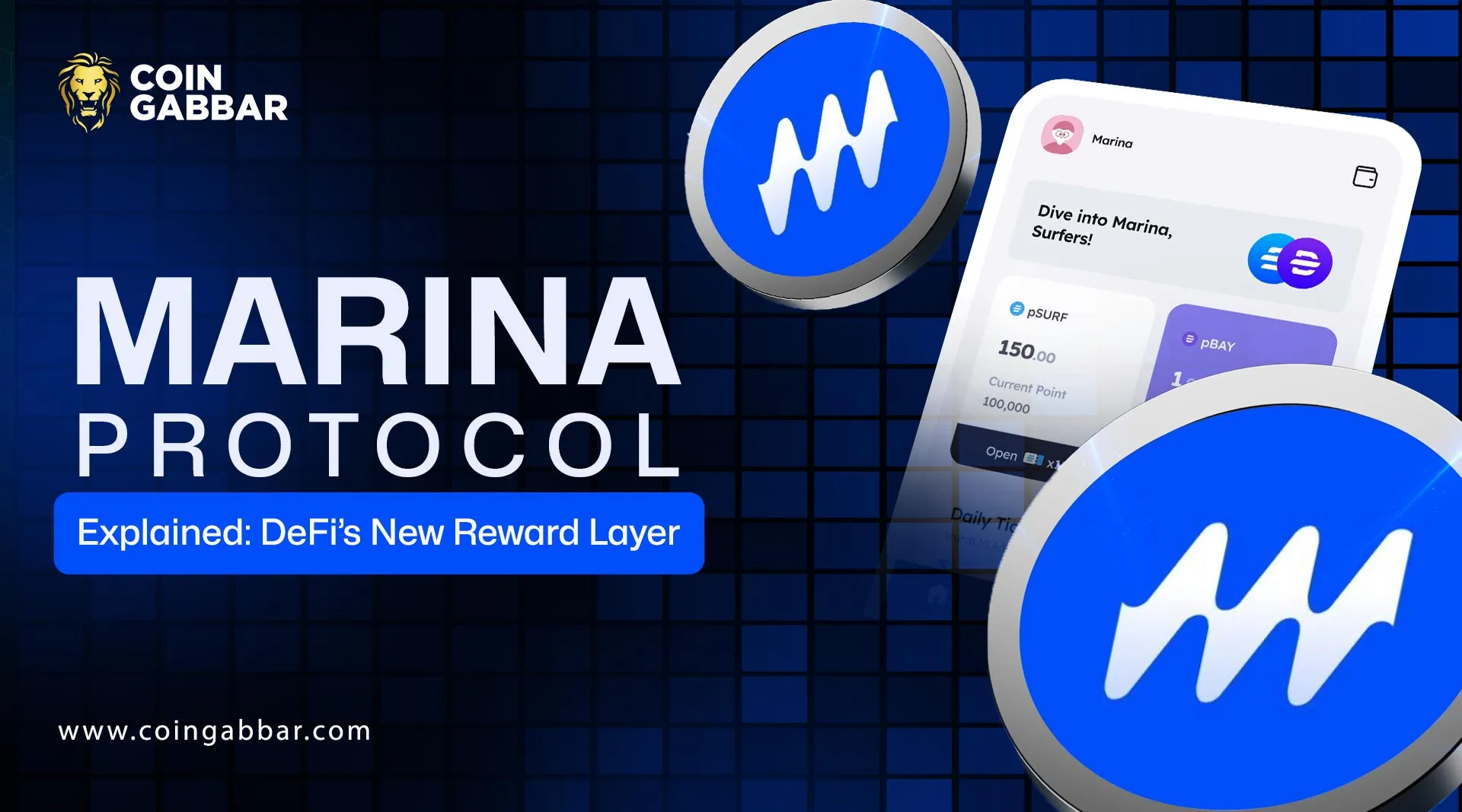
Marina Protocol Guide: A New DeFi Alternative to Aave and Uniswap
Most DeFi apps chase the same users. Marina goes after a different crowd. Marina Protocol presents itself as a Web3 rewards and campaign platform with more than 1.3 million cumulative users across 200 countries. Its main live product is a mobile reward hub, not a lending market or token swap screen.
At a basic level, Marina turns simple actions into token-linked rewards. Users answer daily quizzes, complete missions, and finish social tasks to earn SURF points. Those actions can later connect to BAY, the token used for staking, reward access, and campaign activity.
So why do people compare Marina with Aave and Uniswap? Those names lead major DeFi searches. Aave is known for lending and borrowing. Uniswap is known for token swaps through liquidity pools, which are shared token pools used for trading. Marina serves a different role in DeFi and Web3. It focuses on rewards, onboarding, and campaign participation instead of loans or AMM swaps.
What Is Marina Protocol?
Marina Protocol is a reward-driven Web3 app with a larger campaign layer behind it. The project describes itself as infrastructure for quizzes, missions, events, and token-linked engagement. In simple terms, it tries to make blockchain activity feel easier for first-time users.
That matters because many DeFi products still feel hard to enter. Marina says it uses social-login wallets, embed tools, SDKs, and gas-light onboarding to cut friction. SDK means software tools that let other builders plug Marina features into their own apps or campaigns.
Which DeFi Niche Does Marina Fit Into?
This is where many readers get confused. Marina is not a classic money market like Aave. It is not a classic decentralized exchange like Uniswap either. Marina fits better into gamified onboarding, tokenized rewards, and on-chain campaign tools.
That makes Marina a hybrid. It touches DeFi through token utility, staking, and smart-contract rewards. Still, its product identity looks closer to a Web3 growth platform than a pure lending or trading protocol. That distinction is important if you want the right expectations before you use it.
How Marina Protocol Works?
The user flow starts in the Daily Reward Hub. This mobile section is the core live product today. Users complete quizzes, missions, and social actions to earn SURF points. Marina says this light loop prepares users for deeper on-chain activity later.
SURF points sit at the first layer of engagement. They can be spent on in-app perks and items. From there, BAY links those rewards to the wider platform. Marina’s framework says BAY can be used for staking, selective launch events, reward redemption, and token-linked campaigns.
The next step is the web portal. It is still marked “coming soon.” Marina says that the portal will support on-chain campaign launches, token distribution, quizzes, staking, and SDK integration for creators and marketers.
Key Features That Make Marina Protocol Different
Marina Protocol features are easier to understand when you break them into simple parts. The project combines a user-facing reward app with a planned campaign layer for builders and brands. That is why it stands apart from many DeFi apps that only focus on one core action.
Key Marina Protocol features include:
Daily quizzes and missions
Social tasks tied to rewards
SURF point earning inside the app
BAY staking and launch-event access
Planned on-chain campaign deployment
Token distribution tools for creators
SDK and embed support for partners
Reward tracking and analytics tools
If you are new to Marina Protocol crypto, this is the main takeaway. The project is trying to build habits first. It wants users to take small actions daily, then move toward token use over time.
BAY Token Utility and Tokenomics
The Marina Protocol BAY token runs on BNB Chain as a BEP-20 token. The official tokenomics page lists the ticker as BAY and the total issue as 1,000,000,000. It also lists the token contract publicly, along with several vesting contract addresses.
BAY token utility is more than simple trading. Marina says BAY can be used in staking programs, selective launch events, token-linked campaigns, reward redemption, and B2B campaign execution. B2B means business use, such as brands or creators running campaigns through the platform.
Marina Protocol Roadmap 2026
The roadmap is one of Marina’s stronger trust signals. Its milestone page lists an Android app launch in December 2023 and an iOS launch in January 2024. It also lists 1 million cumulative downloads by December 2024 and 1.3 million by June 2025.
For 2026, Marina points to four main goals. These are a permissionless reward system, a unified mini-app experience, a larger gamified entertainment hub, and a loyalty program backed by real-world assets. Those plans are ambitious. They also remain plans until users can test them at scale.
Marina Protocol vs Aave vs Uniswap: What Is the Real Difference?
This is the section most readers need. The table below follows each project’s official product description. Marina centers on rewards and campaign participation. Aave centers lending and borrowing. Uniswap centers peer-to-peer token swapping through smart contracts.
Feature | Marina Protocol | Aave | Uniswap |
Main use case | Rewards, missions, on-chain campaigns | Lending and borrowing | Token swaps and liquidity |
Main users | New users, communities, creators, marketers | Lenders, borrowers, yield seekers | Traders and liquidity providers |
Core action | Complete tasks and earn rewards | Supply assets or borrow against collateral | Swap tokens or add liquidity |
Token role | BAY supports staking and campaign activity | AAVE supports governance and protocol functions | UNI supports governance |
Best known for | Gamified onboarding | DeFi money markets | Decentralized token trading |
Marina Protocol vs Aave is not a direct head-to-head contest. If you want yield from lending, Aave is the closer fit. Marina Protocol vs Uniswap is also a loose comparison. If you want fast token swaps, Uniswap fits better. Marina is better understood as a reward-led participation platform.
This review uses Marina's official whitepaper and product pages, plus official Aave and Uniswap documentation. It compares each project by product use case, token role, user flow, and actual platform purpose.
Benefits
The best thing about Marina Protocol may be its entry point. New users do not start with a dense trading screen. They start with quizzes, missions, and small rewards. That can make early Web3 use feel less intimidating.
There is also a clear builder angle. Marina says marketers and creators will be able to run token-linked campaigns with smart-contract distribution and analytics. If that portal launches well, it could give the platform a second real use case beyond user growth.
Risks
The risks are just as important. Some major features are still listed as coming soon, especially the web portal. That means the current live product tells only part of the story. Future value depends on execution, user retention, and partner adoption.
There is also normal token risk. Marina’s terms say services may change or pause depending on network and technical conditions. The same terms say users should do their own due diligence and that the company does not provide investment, legal, or tax advice.
Marina Protocol Review 2026: Final Take
Is Marina Protocol a DeFi Platform or a Web3 Growth Platform? So, what is Marina Protocol really? It is not a direct Aave rival. It is not a direct Uniswap rival. It is a reward-led Web3 platform that mixes daily app activity with BAY token utility and a planned on-chain campaign layer.
That makes this Marina Protocol review fairly simple. The concept is clear. The live mobile hub gives the project a real product today. The bigger 2026 case depends on whether the portal ships well and keeps users active over time.
Disclaimer: This article is for information and education only. It is not financial, investment, trading, or legal advice. Crypto prices can move fast. Token utility can change. Roadmaps can slip. Always read official documents, verify contract details, and review the risks yourself before you act.









.webp)




