Xenea Wallet vs Trust Wallet vs MetaMask: Best Web3 Wallet 2026

Xenea Wallet vs Trust Wallet vs MetaMask: Web3 Wallet Compared
In the ever-evolving world of Web3 wallets, Xenea Wallet is emerging as a noteworthy contender.
But how does it compare to the two giants, Trust Wallet and MetaMask, in 2026? With the rise of decentralized finance (DeFi) and an increasing focus on security and user experience, choosing the right Web3 wallet has never been more critical.
In this article, we will compare Xenea Wallet, Trust Wallet, and MetaMask across several key features: DeFi support, quiz rewards, DAO participation, ease of use, and security.
Xenea Wallet Overview
It stands out with its user-friendly design and unique features. As a part of the Xenea ecosystem, it offers EVM compatibility, making it ideal for managing Ethereum-based assets.
Source: XENEA X Account
What sets it apart is the Proof of Democracy (PoD) consensus mechanism, allowing users to participate in secure mining through voting. Moreover, Xenea Wallet rewards users through its Gem Reward System and offers airdrop eligibility via daily activities.
Trust Wallet Overview
Trust Wallet, acquired by Binance in 2018, is a mobile-first, self-custody wallet that supports over 100 blockchains.
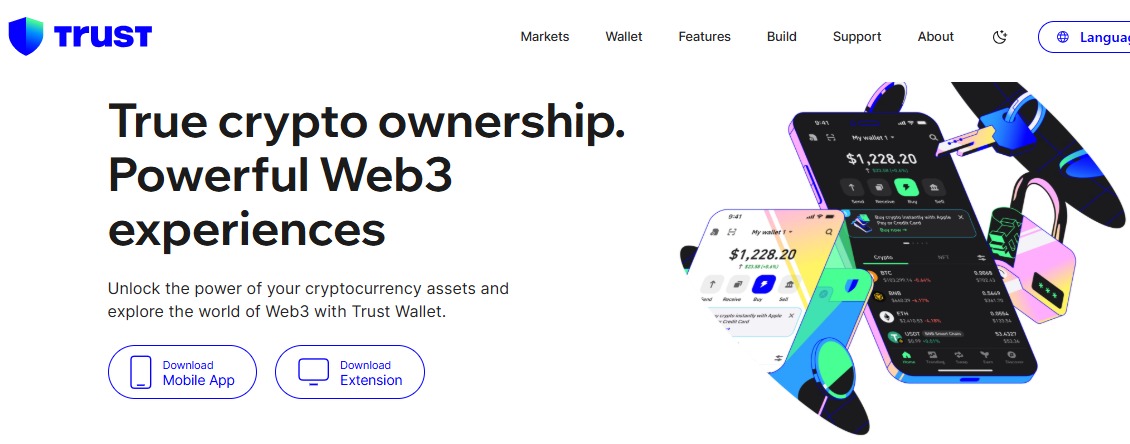
Source: Trust Wallet Website
Known for its simplicity and multi-chain support, Trust Wallet is favored by those holding diverse assets across different blockchain ecosystems. Its DeFi features include staking, token swaps, and in-app access to decentralized apps (dApps).
MetaMask Overview
MetaMask, founded in 2016, is the go-to wallet for Ethereum and EVM-compatible networks. Known for its browser extension and mobile app, MetaMask offers seamless access to DeFi platforms and NFT marketplaces.
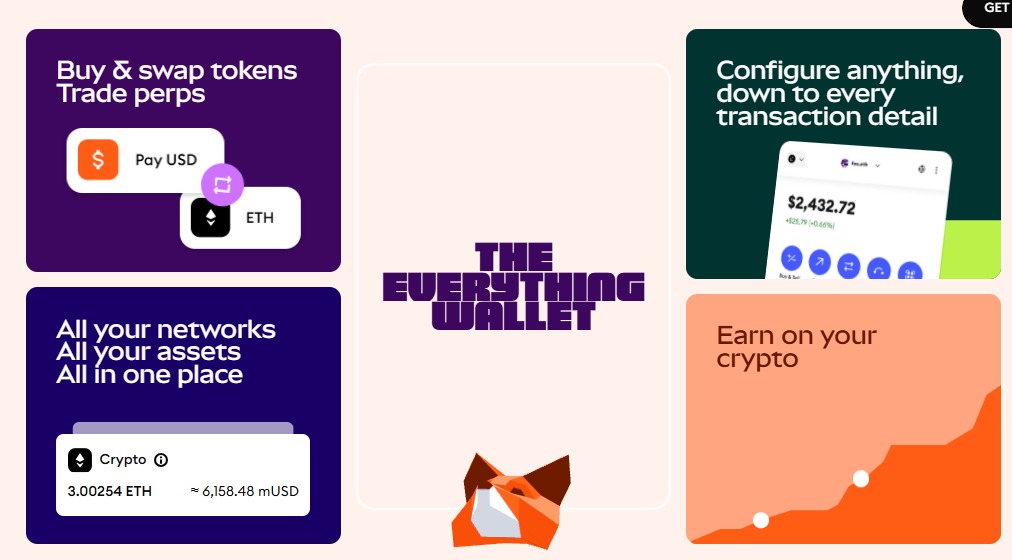
Source: Official Website
Its integration with Ethereum and Layer-2 solutions makes it a favorite for users interacting with Ethereum-based dApps. MetaMask also offers enhanced security features, including hardware wallet support and phishing protection.
Side-by-Side Comparison: Xenea Wallet vs Trust Wallet vs MetaMask
Feature | Xenea Wallet | Trust Wallet | MetaMask |
DeFi Support | Growing ecosystem (EVM-based) | Strong multi-chain DeFi | Best for Ethereum & EVM |
Quiz Rewards | Yes (Gems, tasks, rewards) | No | No |
DAO / Governance | Yes (Voting system - PoD) | Limited (token governance) | Limited |
Ease of Use | Very easy (social login) | Easy (mobile-first) | Medium (setup needed) |
Security | Distributed key system | Secure enclave + biometrics | Advanced alerts + hardware support |
1. DeFi Support: Xenea Wallet vs Trust Wallet vs MetaMask
MetaMask is widely regarded as the best wallet for DeFi and NFTs. Its seamless integration with Ethereum-based protocols and Layer-2 networks makes it the go-to choice for users looking to interact with decentralized exchanges (DEXs) and dApps.
Trust Wallet, on the other hand, offers a broader range of blockchain support, allowing users to manage assets across 100+ blockchains, including Bitcoin, Solana, and BNB Chain.
Xenea Wallet offers DeFi support within its EVM ecosystem and plans to expand into other areas in the future. Its unique PoD mining feature also allows users to earn rewards while contributing to the network’s security.
2. Quiz Rewards: Xenea Wallet Leads the Way
Unlike MetaMask and Trust Wallet, Xenea stands out by offering a Gem Reward System, which allows users to earn Gems through daily quizzes and tasks. These rewards help users unlock various features within the wallet, such as airdrops and Mining Passports, making it a great choice for active users looking for a wallet that incentivizes engagement.
3. DAO Participation: A Strong Advantage for Xenea Wallet
One key difference between Xenea and the other two crypto wallets is its integration with a Decentralized Autonomous Organization (DAO). It allows users to participate in voting through the Proof of Democracy (PoD) mechanism, giving them a voice in the network’s governance.
Trust Wallet and MetaMask, however, do not offer significant DAO involvement, making Xenea a better option for users looking to have an active role in shaping the ecosystem.
4. Ease of Use: Trust Wallet’s Simplicity vs MetaMask’s Customization
When it comes to ease of use, Trust Wallet is known for its mobile-first design, making it incredibly user-friendly, especially for beginners. The wallet comes pre-loaded with major blockchains and automatically detects tokens, ensuring a hassle-free experience.
MetaMask, in contrast, offers greater customization but requires users to manually add networks like BNB Chain or Polygon. Although it provides more advanced features, this can be a deterrent for beginners.
Xenea takes a unique approach by eliminating the need for private key management. Using social logins like Google or Apple, users can access their wallets without worrying about seed phrases or private keys, making it incredibly accessible.
5. Security: MetaMask vs Trust Wallet vs Xenea Wallet
In terms of security, MetaMask is the most robust, offering hardware wallet support (e.g., Ledger and Trezor) and phishing protection. It also undergoes regular code audits by ConsenSys, ensuring its users’ funds are protected.
Trust Wallet also offers biometric and hardware wallet integration, but since it's a mobile-first wallet, it may have slightly fewer security layers than MetaMask in desktop environments.
Xenea differentiates itself with its patented private key management system, which adds an extra layer of security without compromising convenience.
The wallet’s Proof of Democracy mechanism also provides network security through user involvement.
Conclusion: Which Web3 Wallet is Best for You?
In the battle of Xenea Wallet vs Trust Wallet vs MetaMask, each wallet has its unique strengths. MetaMask remains the top choice for Ethereum and EVM-focused DeFi, with robust features for NFT trading and dApp interaction. Trust Wallet wins when it comes to multi-chain support and ease of use, especially for users holding a diverse range of assets.
Xenea Wallet, however, introduces a unique combination of DeFi features, DAO participation, and security with its patented technology.
While it may not yet have the mass adoption of MetaMask or Trust Wallet, it offers an exciting proposition for users interested in participating in Proof of Democracy mining and earning rewards through Gem tasks.
If you’re looking for a Web3 wallet that allows for deeper engagement in decentralized governance and rewards, Xenea Wallet may be your best choice in 2026.
For more straightforward, multi-chain asset management, Trust Wallet is a solid option, and for DeFi and NFT enthusiasts, MetaMask continues to dominate.
Also read: