What Is Token Vesting? How Do Unlock Schedules Impact Price?

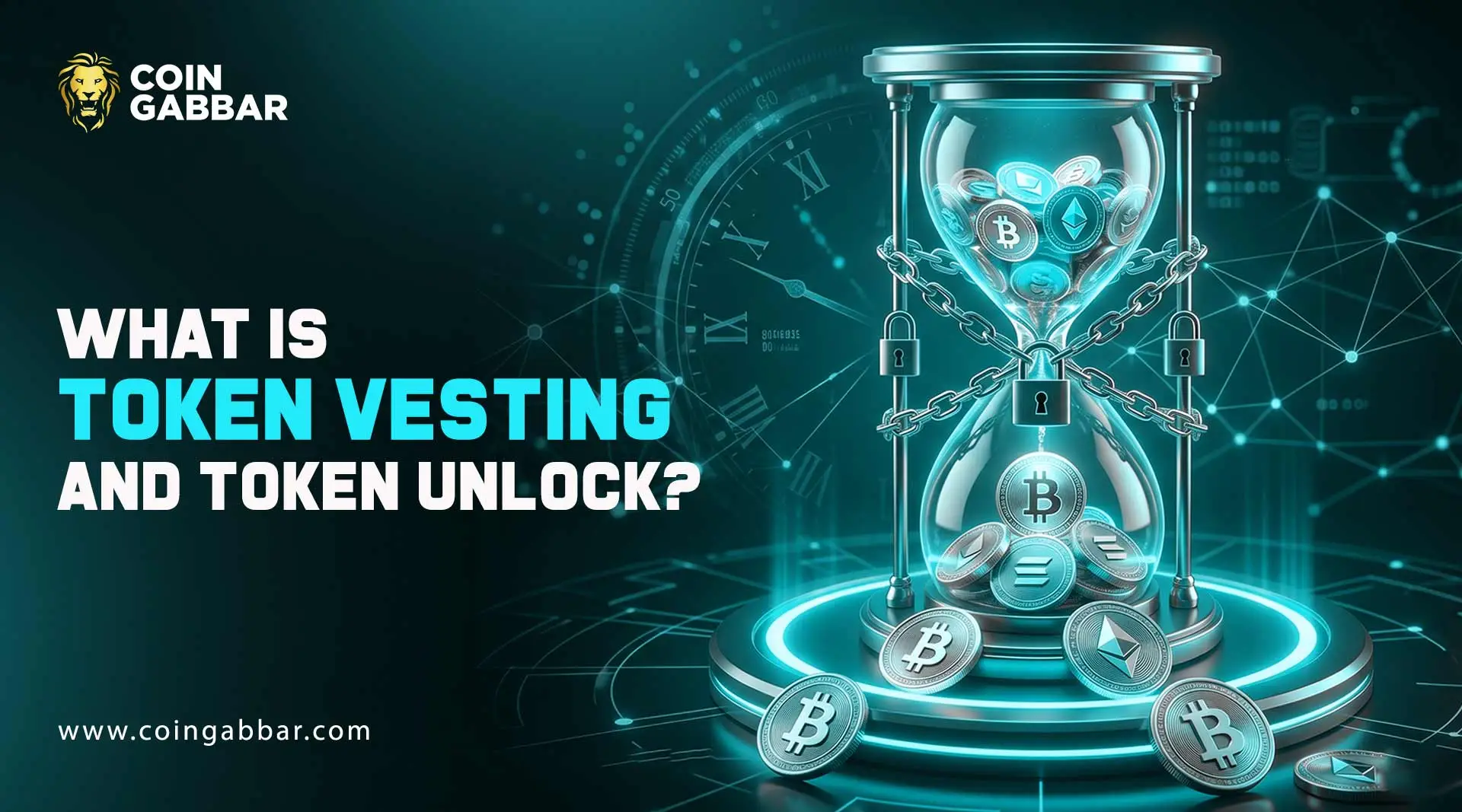
Token Vesting Explained: How Token Unlocks Can Move Crypto Prices?
Crypto buyers often watch charts first. Smart buyers also watch supply. That’s where token vesting matters.
A token can have strong hype, good news, and active users. Still, price can fall if too many locked coins hit the market at once. That’s why you need to understand release timing before you buy.
This guide explains the basics in plain words. You’ll learn how unlock dates work, how to read them, and why they can change prices fast.
What Is Token Vesting?
So, what is token vesting in simple words?
It means a project does not release all tokens on day one. Instead, it gives them out over time. Many people search for vesting crypto terms when they first spot an upcoming launch.
The vesting crypto meaning is simple. A team, investor, or advisor gets access slowly, based on a set plan. This helps control sudden supply shocks.
What Is a Token Unlock?
A token unlock happens when locked coins become available to claim, move, or sell.
So, what is token unlock really about? It is the release event, while vesting is the longer timeline behind that release. One is the plan. The other is the moment.
That difference matters. A project may announce a long vesting model, yet still face pressure on each unlock date.
Why Do Crypto Projects Use Token Vesting?
Projects use token vesting to reduce early dumping. If insiders get full access on launch day, many will sell faster.
Vesting also gives teams a reason to stay involved for years. If rewards come monthly for 24 or 36 months, the project ties pay to long-term work.
It also helps buyers read the future supply better. That makes token unlock planning easier, even when the price stays volatile.
Cliff vs Linear vs Milestone Vesting
Most vesting schedules use one of three models.
Cliff vesting means nothing unlocks for a fixed period. After that, a large batch may be released at once. A 12-month cliff can create sharp pressure if millions hit the market together. Plasma XPL team and investor tokens unlock over three years, with a one-year cliff before monthly vesting begins
Linear vesting spreads release over time. For example, 24 million tokens may unlock over 24 months. That means 1 million per month. This is often easier for the market to absorb. Like Aptos APT uses a long linear-style unlock model.
Milestone vesting links release to goals. A project may unlock tokens only after a mainnet launch, product release, or user target. This can look fair, yet timing becomes less predictable.
Typical Token Allocation Percentages In Crypto
Tokenomics tells you who gets what. That matters because not every wallet has the same reason to hold.
A project may split the supply like this:
15% to 20% for the team
10% to 20% for private investors
5% to 10% for advisors
20% to 40% for community rewards
10% to 20% for treasury and growth
A high team share does not always look bad. Still, token vesting risk grows when large insider allocations unlock close together.
How Token Vesting Schedules Can Affect Price?
A token vesting event changes supply first. Price reacts only after traders decide what that supply means.
Here is the basic chain:
More unlocked supply enters the market
Some holders take profit
Traders expect selling before it starts
Buyers wait for lower prices
Volatility rises around the date
Imagine a token with 200 million circulating coins. If 50 million unlock next week, supply rises 25%. Even if only part gets sold, the market feels that risk early.
What Happens During Major Unlock Events?
Big unlocks often move price in three stages. This is where a crypto token unlock gets interesting.
Before the event, traders talk about fear. Some sell early. Others short the token if the unlock looks too large.
On the unlock date, volume often jumps. After the event, the price may recover if the market has already priced in the release. That is why not all unlocks end in a dump.
How To Read A Token Vesting Schedule Properly?
A good token vesting schedule tells you more than just one date. It shows the pace, the size, and the recipients.
Check these points first:
next unlock date
number of tokens unlocking
share of circulating supply
wallets or groups receiving tokens
one-time release or monthly release
fully diluted value versus current market cap
This is where token vesting becomes practical. You stop guessing and start measuring.
How To Read Token Unlocks Data?
Think of this section as a short token unlock guide for beginners.
On token unlocks dashboards, start with the calendar view. Then check the dollar value of the release. A $5 million unlock and a $150 million unlock do not carry the same weight.
Next, read the split by category. If community rewards unlock, sell pressure may stay lower. If seed investors unlock after a 20x gain, risk usually rises.
This kind of token vesting check can save you from bad entries.
How To Verify Vesting On-Chain?
Do not trust graphics alone. Use chain data where possible.
Look for the crypto token contract, the vesting contract, and the wallets tied to team or treasury distributions. On explorers like Etherscan, Solscan, or Arbiscan, you can often see transfers before exchange deposits.
That is the heart of any vesting crypto guide. You verify the release path instead of relying on marketing posts.
Why Team And VC Unlocks Matter More Than Some Community Unlocks?
Not every unlock carries the same risk.
Team and venture capital wallets often hold large, low-cost allocations. If their entry price was $0.02 and the token trades at $0.60, profit-taking becomes more likely.
Community rewards work differently. They may spread across thousands of wallets. That can lower sudden sell pressure, though it still adds supply. This is another reason token vesting needs context, not just numbers.
Token Vesting In AI And Decentralized Compute Projects
Artificial intelligence and decentralized compute projects often need long-term reward plans. They must pay node operators, data providers, or compute suppliers over time.
That makes token vesting more important in this sector. These tokens often depend on future network growth, not just launch hype. If reward emissions rise too fast, price may lag even when the product story stays strong.
For buyers, this means one thing. Check whether supply growth matches real demand for compute, storage, or AI services.
What Investors Should Check Before Buying A Token Near Unlock Dates
Before you buy, ask a few simple questions:
How big is the next release
Who receives those tokens
Can the market absorb them
Has the price already fallen before the date
Does real token use support a new supply
This is where token vesting becomes a risk filter. It will not predict every move, yet it helps you avoid blind entries.
Common Mistakes People Make When Reading Vesting Data
Many beginners read the unlock data the wrong way.
They confuse market cap with fully diluted value. They ignore who gets the release. They assume all token unlocks cause a crash. They also miss one basic point. Some tokens unlock on paper before they become freely transferable.
Another mistake is using old charts. Always check the latest dashboard, docs, or on-chain wallet activity.
Conclusion
Crypto moves on stories, charts, and supply. Most buyers watch the first two. Fewer track supply unlocks closely. That is why token vesting gives you an edge.
A good project can still face short-term pressure when large batches unlock. That does not mean every unlock is bearish. It means you need to read the size, timing, and recipient before you judge the risk.
The smartest approach is simple. Check the vesting plan, study the next unlock date, and verify the data on-chain when you can. If you understand who gets tokens, how many are coming, and when they can sell, you will make calmer decisions.
In crypto, timing matters. And few timing tools are more useful than reading vesting and unlock schedules well.
Disclaimer: This article is for educational purposes only. Crypto prices and token unlock events can change fast, so always do your own research before making any investment decision.
Also read: