Why CoinGabbar Events Get Rejected: Common Issues Explained

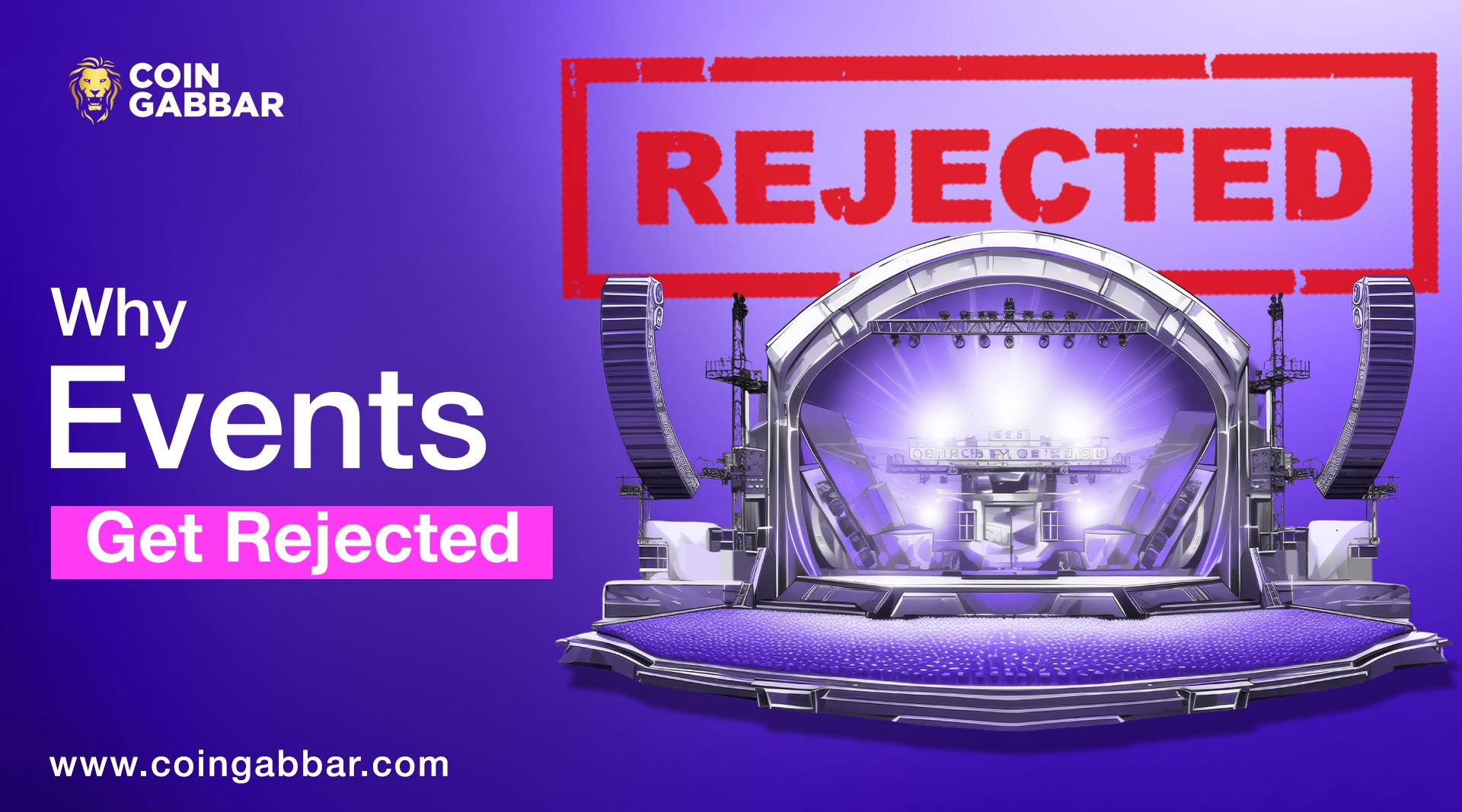
Common Reasons why Crypto Events Get Rejected
Submitting a crypto event to CoinGabbar is an excellent way to get exposure and connect with the crypto community. However, despite your best efforts, there’s always a chance that your event submission might get rejected. This can be frustrating, especially if you've worked hard to create a meaningful event, but understanding why events are rejected can help you avoid these issues in the future.
For event organizers, understanding the common reasons for event rejection on CoinGabbar ensures you can avoid mistakes and successfully get your event listed. For investors and attendees, knowing the reasons behind event rejections helps you understand which events are worth investing time in and which ones may lack credibility.
In this blog, we’ll discuss the common reasons why crypto events get rejected on CoinGabbar, and provide tips on how to improve your submission for approval.
1. Incomplete Event Information
One of the most common reasons for event rejection is incomplete information. If your event submission is missing key details, it can delay the review process or result in an outright rejection.
Common Missing Details:
-
Event Title: If your event title is unclear, misleading, or lacks relevance to the event content, it can result in a rejection.
-
Event Date and Time: If you don't provide the exact date and time of the event, or if there’s confusion regarding the time zone, your submission may be rejected.
-
Event Description: A vague or unclear event description fails to inform potential attendees about the event’s purpose, topics, or value.
-
Speaker Information: If you do not list relevant speakers or provide inaccurate details, it can hinder approval.
For projects, make sure to include all the necessary details such as the full event name, precise date and time, detailed description, and a complete list of speakers and their bios. For investors, event clarity is crucial to understanding the value and relevance of the event before committing to attend.
Submit Blockchain Events on CoinGabbar with Ease and Accuracy
2. Lack of Relevance to Crypto or Blockchain
Another common reason for rejection is when the event is irrelevant to the crypto, blockchain, or Web3 space. CoinGabbar only accepts events that provide value to the blockchain community. If your event doesn’t align with these topics, it will likely be rejected.
Common Irrelevant Event Types:
-
General Business Conferences: Events not focused on blockchain or crypto technologies may not be accepted.
-
Non-Crypto Educational Events: If your event is focused on non-crypto topics (e.g., general tech or finance without a blockchain focus), it won’t meet the platform's standards.
-
Promotional-only Events: If your event is primarily focused on marketing a product without providing educational value or industry insights, it may not be approved.
For projects, ensuring your event is focused on blockchain or crypto-specific topics will increase your chances of approval. For investors, this helps ensure that you are attending events that provide value and relevance to your interests.
3. Poor Event Branding and Low-Quality Visuals
Low-quality visuals and poor event branding are often red flags for rejection. CoinGabbar wants to ensure that only professional, well-organized events are listed, and poor branding can make your event look unprofessional.
Common Branding Issues:
-
Low-Resolution Images: Event flyers, banners, and logos that are blurry or poorly designed can harm your event’s professional image.
-
Inconsistent Branding: If your event visuals don’t align with the event’s theme or message, it can confuse potential attendees and cause rejection.
-
Lack of Event Branding: Submitting an event without any branding materials (like a logo or flyer) makes it difficult for CoinGabbar to assess the event’s quality and relevance.
For projects, make sure to submit high-quality, professional visuals that clearly represent your event’s theme. For investors, events with strong branding indicate that the event is likely to be well-organized and professionally executed.
Event Submission SEO Best Practices to Boost Visibility and Attendance
4. Inaccurate or Invalid Event Links
If your event’s registration or website links are broken or lead to incorrect pages, CoinGabbar will likely reject your submission. Having working, accurate links is essential for potential attendees to access event information and register.
Common Link Issues:
-
Broken Registration Links: If your event registration link doesn’t work, it can cause frustration for users and may result in rejection.
-
Incorrect Event Website: If the website provided doesn’t match the event or contains misleading information, CoinGabbar may reject the submission.
-
Non-Secure Links: Providing non-secure or suspicious links may also result in rejection, as CoinGabbar prioritizes user security.
For projects, ensure that all links provided are functional, secure, and lead to relevant pages (event registration, official websites, etc.). For investors, a working registration link is crucial to easily sign up for the event and avoid any inconvenience.
How to Update Submitted Crypto Events Quickly and Keep Listings Accurate
5. Non-Compliance with Submission Guidelines
Every platform, including CoinGabbar, has a set of event submission guidelines. If your event doesn’t comply with these guidelines, it will likely be rejected.
Common Compliance Issues:
-
Failure to Include Required Information: If your submission lacks mandatory fields (e.g., event date, description, or speaker details), it won’t be approved.
-
Inappropriate Content: Events that include content unrelated to crypto or blockchain, or that promote illegal activities, will not be accepted.
-
Promotion-Only Events: CoinGabbar values educational events and networking opportunities. Events that are purely promotional without providing value may be rejected.
For projects, always check CoinGabbar’s event guidelines to ensure your submission meets their requirements. For investors, understanding these guidelines ensures that you’re attending events that align with the platform's standards.
6. Missing Event Agenda or Schedule
The event agenda is a critical part of the event submission process. If your event lacks a detailed agenda or schedule, it can lead to rejection. The agenda helps CoinGabbar verify that your event is structured and provides clear value to attendees.
What’s Missing in Common Rejections:
-
Unclear Session Details: If your event description doesn’t break down the schedule or topics clearly, it may confuse attendees and be rejected.
-
Lack of Speaker Information: Not including the speakers for specific sessions can make it difficult for CoinGabbar to assess the event’s value.
-
No Event Flow: A poorly organized event with no clear flow or structure might raise red flags.
For projects, having a clear, well-organized agenda shows that your event is professional and worth attending. For investors, knowing the session structure helps you decide if the event aligns with your interests.
How to Submit Blockchain Events on CoinGabbar Crypto Events Quickly and Keep Listings Accurate
7. Failure to Meet Platform-Specific Criteria
Each platform, including CoinGabbar, has specific criteria for what constitutes an approved event. Events that don’t meet these specific platform standards may face rejection.
Examples of Platform-Specific Criteria:
-
Event Type: Some platforms may only accept certain event types (e.g., workshops, conferences) and may reject meetups or webinars that don't align.
-
Industry Relevance: CoinGabbar prioritizes events related to blockchain, crypto, and Web3 technologies. Any event that falls outside of this scope will likely be rejected.
For projects, make sure your event fits within CoinGabbar’s defined categories and industry standards. For investors, understanding these platform-specific criteria helps you identify legitimate events quickly.
How to Submit Virtual Crypto Events Easily and Effectively
Conclusion
Understanding why events get rejected on CoinGabbar can help you avoid common pitfalls and increase the chances of your crypto event being approved and listed on the platform. Whether it’s ensuring that all details are complete, aligning with the platform’s industry standards, or providing clear event information, following these best practices will help make your event submission process smoother.
For projects, keeping these common reasons in mind ensures your event gets the visibility it deserves. For investors, knowing what to look for when browsing events helps you identify well-organized, valuable events to participate in.
By avoiding these rejection triggers, your event will stand a better chance of being approved, and you’ll be able to engage with a larger, more relevant audience.
Disclaimer
This content is for informational purposes only and does not constitute financial or investment advice. Always ensure compliance with local laws and regulations when submitting or attending crypto events.






.jpg)