Inside Zircuit zk Rollup and Its AI Security Infrastructure Model

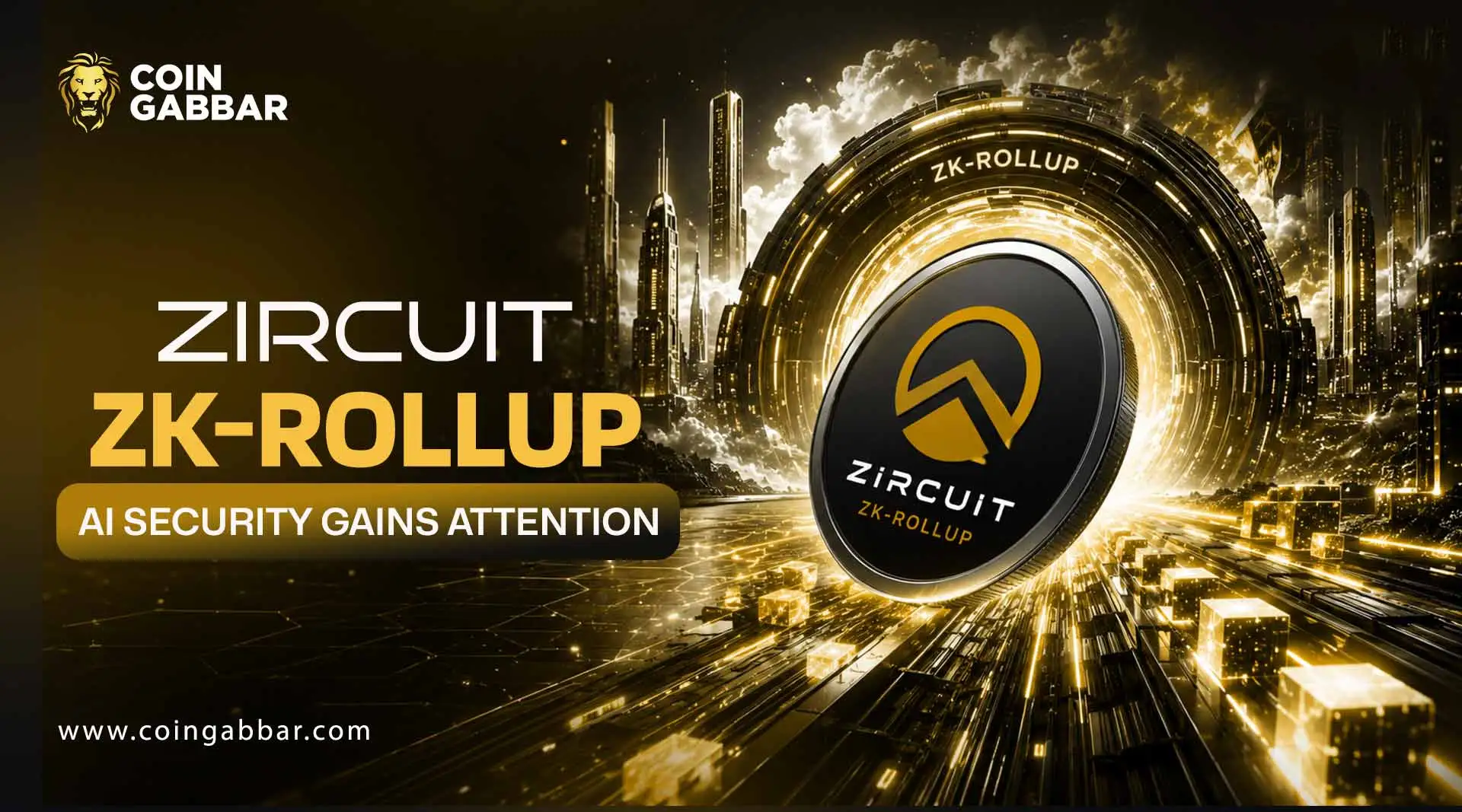
Can Zircuit zk Rollup Actually Stop Exploits Before They Happen?
Inside Zircuit: The zk-Rollup Offering 8–11% Vault Yield and Points for Restakers
Most Layer 2 blockchains compete on speed and fees. Zircuit is competing on something different in security. Not as a feature you turn on after launch, but as something built directly into how every single transaction gets processed.
The Zircuit zk rollup has already protected over $3 billion in assets, pulled in $129 million TVL in its first 24 hours, and is now offering 8–11% APR through insured yield vaults audited by Zenith and Quantstamp. Points farming chatter is picking up fast on X, major media haven't fully covered it yet, and the Garfield testnet plus mainnet RPC endpoints are already live.
Here's everything you need to know.
What Is Zircuit?
Zircuit is a fully EVM-compatible Zircuit zk rollup blockchain built on Ethereum. It was founded by Dr. Martin Derka and Jan Gorzny both researchers with grants from the Ethereum Foundation and is backed by Pantera Capital, Dragonfly Capital, Maelstrom, Mirana, and YZiLabs.
The core idea is simple: most rollups focus on making transactions cheaper and faster. Zircuit does that too but it adds a layer of AI-driven security at the sequencer level that no other rollup currently offers.
According to the official Zircuit website, the platform describes itself as "The Safe Haven for Onchain Finance." That's not just marketing it reflects a technical architecture built specifically around stopping exploits before they happen.
What Is Sequencer-Level Security (SLS)?
This is the feature that makes Zircuit crypto genuinely different from other zk rollups.
In a normal layer 2 blockchain, transactions get picked up and included in the next block without any security screening in between. If a malicious transaction slips through an exploit, a flash loan attack, or a compromised contract, it's already too late once it's on-chain.
Zircuit's Sequencer-Level Security works differently:
Every transaction passes through an AI-powered screening layer before it gets included in a block
The sequencer monitors the mempool for malicious activity, blacklisted addresses, and exploit contracts in real time
If something looks dangerous, it gets quarantined before it ever hits the chain
This happens at the lowest level of the network not a filter on top, but built into how blocks are made
The result: users and protocols building on Zircuit get a layer of protection that audits and bug bounties alone can't provide. By the time an audit catches something, the attack has already happened. Zircuit's SLS catches it before it gets that far.
Note: Per the official Zircuit docs, SLS is currently paused while the team focuses on Zircuit Finance a yield product that runs separately from the L2 chain itself.
Zircuit Yield Vaults: Earn 8–11% APR
This is where things get very practical for regular users.
Zircuit Finance is a separate product from the L2 chain. It's an institutional-grade yield platform where users deposit BTC, ETH, or USD and earn 8–11% APR sourced from leading institutional partners including FalconX, Fidelity Investments, Forteus, and Monarq.
Key facts about the Zircuit vault yield:
Smart contracts audited by Zenith and Quantstamp two independent security firms
Built on infrastructure that has already secured over $3 billion in assets
No complex DeFi navigation required deposit and earn, that's it
Strategies are the same ones used by institutional investors not experimental yield farming
For context on Zircuit TVL: the liquidity hub already passed $129 million in its first 24 hours of the staking program, then crossed $2 billion within two months. That pace of growth puts it ahead of rollups like Linea and Scroll at comparable stages.
How the Points System Works?
If you're familiar with how EigenLayer, Blast, or Ethena handled pre-launch points farming, Zircuit's system follows a similar model — but with one key difference that matters.
How Zircuit restaking points work:
Deposit ETH, LSTs (liquid staking tokens like stETH), or LRTs (liquid restaking tokens like weETH or ezETH) into the Zircuit Liquidity Hub at app.zircuit.com
Earn Zircuit Points on top of whatever yield your deposited asset is already generating
Points accumulate toward rewards when assets migrate to the mainnet
You can withdraw at any time your ETH is not hard-locked like in Blast or Mantle
Supported protocols include Lido, Renzo, EtherFi, Swell, Kelp DAO, Ethena, and Eigenpie so most major LST and LRT holders can participate without swapping assets.
The Zircuit token (ZRC) has been distributed to early ecosystem participants. If you farmed points during the staking program phase, rewards were allocated based on points accumulated before the TGE snapshot.
How to Connect - Step by Step?
Getting on the Zircuit blockchain takes about five minutes. Here's the exact process from docs of zircuit:
1. Install a wallet
MetaMask or Rabby both work. Add the browser extension if you don't have one.
2. Add Zircuit to your wallet
Go to chainlist.org/chain/48900 for Mainnet
Or chainlist.org/chain/48898 for the Garfield Testnet
Chain ID: 48900 (Mainnet) / 48898 (Testnet)
Currency: ETH
3. Bridge assets
Use the official Zircuit bridge at bridge.zircuit.com to move ETH from Ethereum mainnet to Zircuit L2. Always use the official bridge third-party bridges carry additional risk.
4. Check activity
The Zircuit explorer at explorer.zircuit.com lets you view transactions, wallet activity, and network data in real time.
The Zircuit Ecosystem: Who Is Building Here?
The Zircuit ecosystem is strongest in DeFi specifically liquid staking, restaking, and lending. Notable projects already building on Zircuit include:
Renzo: liquid restaking protocol for Ethereum staking derivatives
Pendle: yield tokenization and trading
ZeroLend: lending and borrowing for Zircuit-native assets
Gud Tech: AI-driven DeFi trading tools built specifically for Zircuit
Developers can apply for grants through the Build 2025 program at app.zircuit.com/build2025. Over 1,000 submissions came in during the earlier Build to Earn program a signal that builder interest is real.
Risks: What to Know Before You Deposit?
Being honest here matters more than just listing the upsides:
SLS is paused: the signature security feature is not active on the chain right now while the team focuses on Zircuit Finance
New rollup: despite impressive TVL numbers, Zircuit is still a relatively young network with a shorter track record than Arbitrum or Optimism
Bridge risk: moving assets between Ethereum and Zircuit L2 involves smart contract risk at the bridge layer
Points uncertainty: future points rewards depend on tokenomics decisions that haven't all been finalized
Yield source risk: the 8–11% APR is sourced from institutional partners; always check the latest audit reports before depositing significant capital
What's Next for Zircuit?
The roadmap points toward a few clear milestones:
SLS reactivation: the team has signaled this will return as Zircuit Finance stabilizes
Expanded vault strategies: more asset types and yield sources are being added to Zircuit Finance
Deeper ecosystem integrations: more DeFi protocols building on the Zircuit L2
Zircuit AI terminal: live at ai.zircuit.com, offering real-time market intelligence for users inside the ecosystem
Final Thoughts
The Zircuit zk rollup is doing something that most Layer 2 projects aren't combining institutional-grade yield with a security architecture built from the ground up. The $3 billion protected, the dual audits, the 8–11% vault APR, and the Ethereum Foundation-backed team all point toward a project that has done the hard work before asking for attention.
Whether you're here for the Zircuit yield vaults, the points program, or just watching where serious DeFi security infrastructure is heading, this Zircuit zk rollup worth understanding in detail.
Disclaimer: This content is for informational purposes only and is not financial advice. Always do your own research before depositing assets into any DeFi protocol.