Core PCE Hits 2.7% in May—Fed Rate Cut Now Pushed to September?


Why Core PCE Inflation May 2025 Could Delay Fed Cuts to Year-End
Just when Wall Street thought the price increase was cooling off—it came roaring back. May’s PCE inflation report dropped like a bombshell, shaking up forecasts, delaying rate cut timelines, and rattling crypto sentiment.
Core PCE inflation, the Fed’s preferred cost increase gauge, surged to 2.7% in May 2025 — its highest level since February. The signal is loud and clear: data isn’t just sticky — it’s getting stickier.
Here's US Core PCE inflation over different trailing periods from April to May:
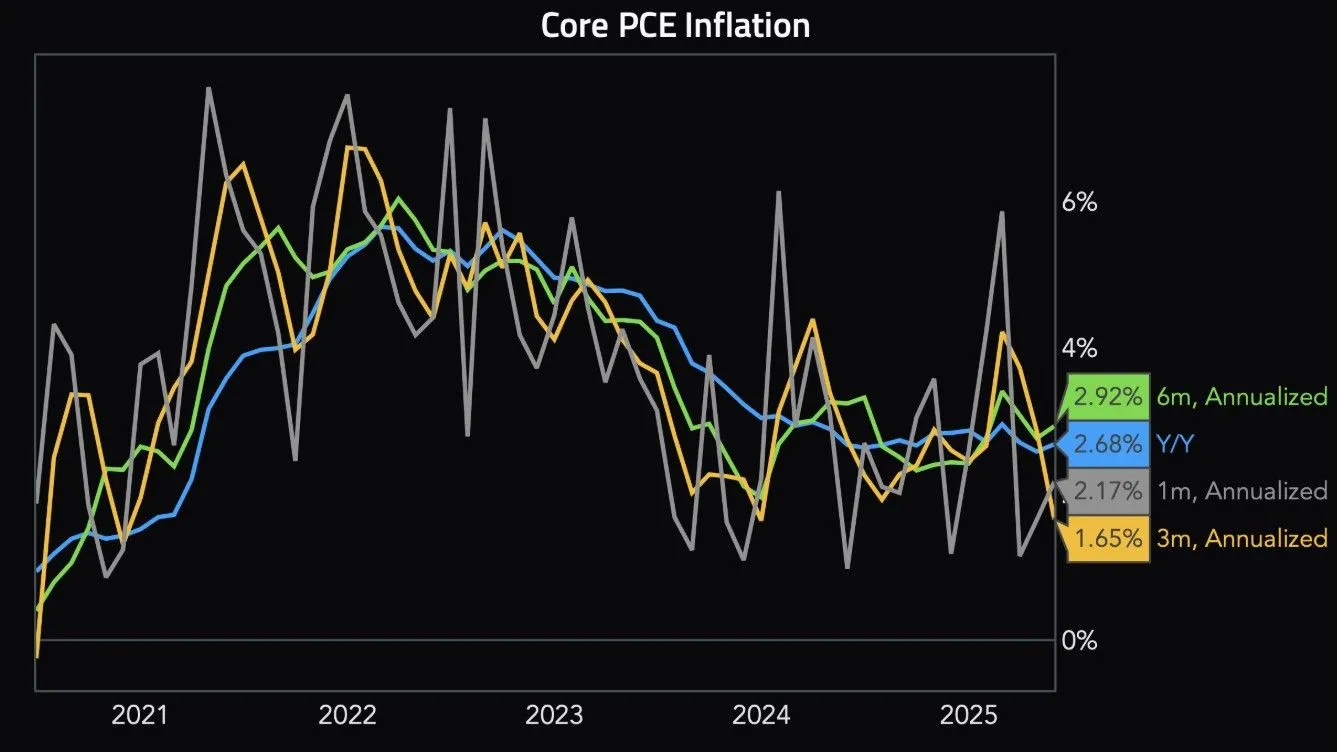
And if you think the pain’s over, think again. New tariffs, strong wage growth, and consumer demand are still loading.
Inflation Returns With a Bite: May PCE Surprises the Street
The U.S. economy just got a hot reminder that price surge isn’t backing down.
According to the May PCE report 2025, Core PCE surged 2.7% YoY, beating expectations of 2.6%. On a monthly basis, it rose 0.2%, above the 0.1% projection as per The Kobeissi Letter latest post on X. Meanwhile, headline PCE economic strain climbed to 2.3%, up from 2.1% in April.
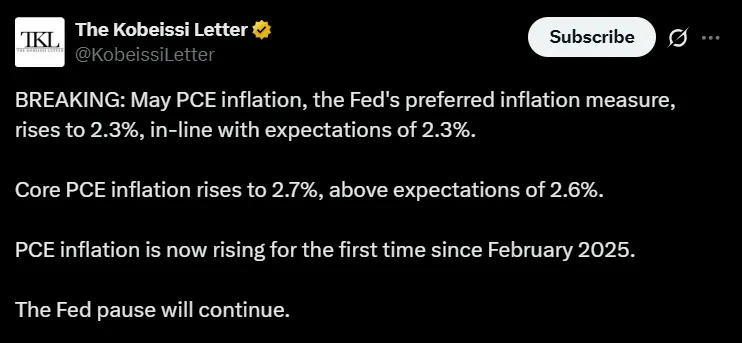
This is the first time price hike has increased after 2 months of declines since February. Investors, Fed officials, and crypto heads are watching closely.
Why Is Price Increase “Stuck”? The 3 Big Forces Behind It
The May numbers reveal why it continues to surprise:
-
Widespread Price Increases
Core price hike, which excludes food and energy, shows persistent pressure across services and goods. High rates haven’t slowed prices yet. -
Upcoming tariffs on Chinese imports are expected to drive this statistics up by another 1% or more by Q4 2025.
-
Wages and Demand Still Hot
Job growth remains strong, and rising wages mean high consumer spending continues, especially on goods — feeding more surge.
The Fed’s Dilemma: “Higher for Longer”
According to a bold call by Alpha Binwani Capital, the Fed is now more likely to delay its rate cut to September or beyond. Fed Chair Jerome Powell stance remains cautious, with his repeated calls for “patience.”
As The Kobeissi Letter posted on X:
“BREAKING: Stubborn inflation is the Fed’s number 1 enemy now.”
Markets are recalibrating fast. The era of “soft landing and summer cuts” might be over.
The Bloomberg Chart That Explains It All
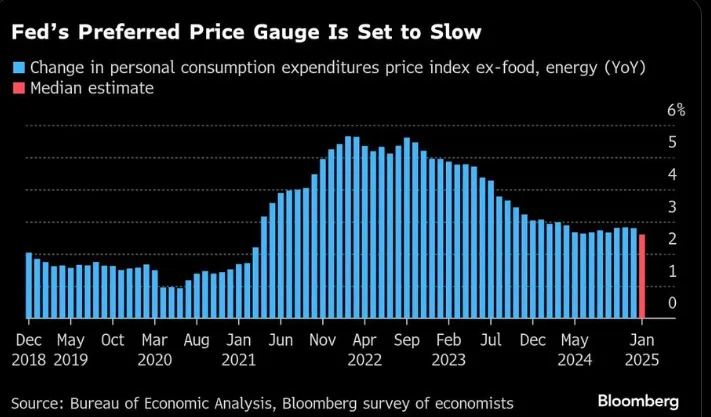
A recent Bloomberg chart sourced from the Bureau of Economic Analysis helps decode its comeback:
-
Blue Line: Core PCE inflation MoM — trending up since early 2024
-
Red Bars: Price hike-adjusted consumer spending — also rising
This shows that despite high interest rates, household demand remains strong, especially for goods. Rate surge hasn't cooled off American consumers yet.
What’s Next? Tariffs, Global Risks, and Rate Uncertainty
Here’s what could fuel this event even more through 2025:
-
The full effect of the U.S.-China tariff hikes is due later this year, expected to push prices further upward.
-
Labor market tightness means salaries keep rising, maintaining spending power.
Crypto Market Implications: Brace for Volatility
What does this mean for crypto investors? Here’s the breakdown:
-
Short-Term Pressure: If Fed cuts take longer than expected, expect pullbacks in Bitcoin and altcoins. Tightening liquidity and high-risk assets will lead to lower prices.
-
Mid-Term Opportunity: Concerns about centralized monetary systems, will resurface Crypto narratives as a hedge, especially for DeFi and Bitcoin vs. altcoin against this latest US inflation news today.
-
Long-Term Play: If it stays above 2.5% into 2026, crypto adoption could surge, driven by distrust in traditional monetary systems.
Conclusion: Inflation Is Back in the Driver’s Seat
From higher core PCE inflation May 2025 to approaching tariff waves, the Fed is painted in a corner. cut rates and increase the price surge spiral—or hold steady and test the economy’s strength.
For crypto investors, and macro traders, this isn’t just another data point — it’s a cycle reset. If you’re not positioned for persistent monetary pressure and delayed rate relief, you’re already behind.
Buckle up — because what comes next may reshape not just markets, but the entire global macro playbook.