Ethereum News Today: Network Upgrades, NFT Growth and ETH Price Trends

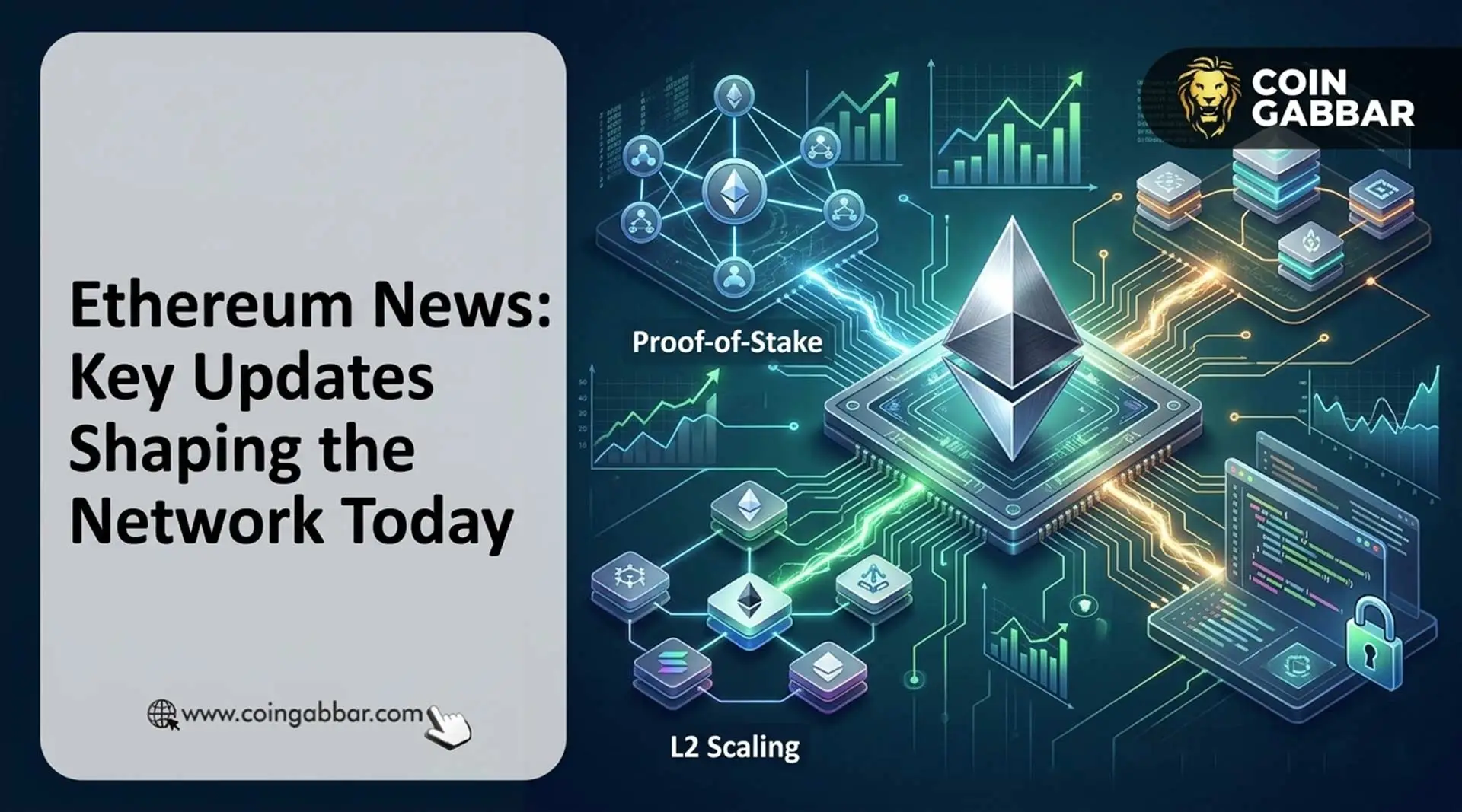
Latest Ethereum News Today: ETH Roadmap, Layer 2, Gas Fees and Price
Ethereum has long stood at the center of blockchain innovation. Now, fresh developments are helping it move into a new phase. In today’s Ethereum news, the spotlight is on major network upgrades, Layer 2 growth, NFT activity, and price trends. Together, these changes show why ETH remains one of the most-watched projects in crypto.
Ethereum News: Network Upgrades. What’s Changing?
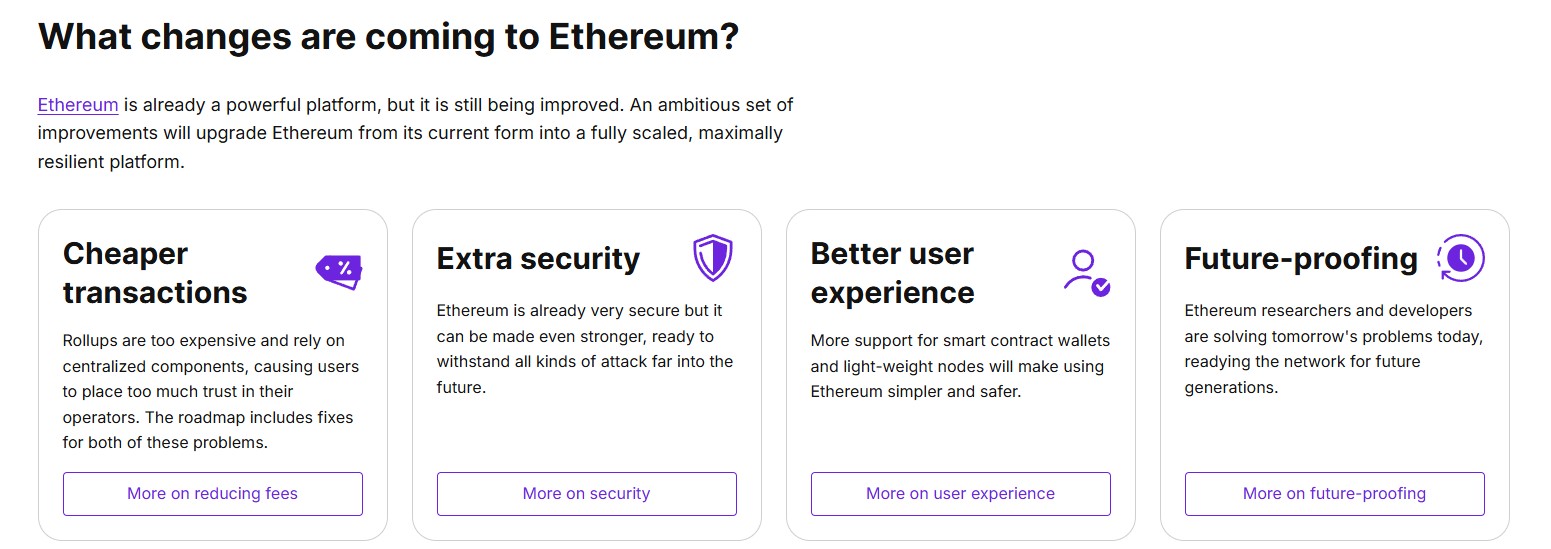
The progress has always depended on regular upgrades. These improvements aim to solve old problems like slow transaction speeds and high fees. The current phase of development is especially important because it focuses on making the network more scalable, efficient, and user-friendly.
Ethereum 2.0 and Sharding: It remains one of the biggest upgrades in the project’s history. Its main goal is to make the network faster and more efficient while using far less energy. A major part of this transition is sharding. This process breaks the network into smaller sections, called shards, so transactions and data can be handled more smoothly. As a result, it is expected to process more activity at once without overloading the main chain.
EIP-4844: Proto-Danksharding: Another major step forward is EIP-4844, also known as Proto-Danksharding. This upgrade is designed to reduce transaction costs, especially for Layer 2 networks. It introduces blob-carrying transactions, which allow the network to manage more data in a cheaper way. For users and developers, this could mean lower gas fees and a better overall experience across ETH-based applications.
Source: Official website
The Rise of Ethereum Layer 2 Solutions
The biggest challenge has often been scalability. During times of heavy demand, fees rise sharply and transactions slow down. That is why Layer 2 solutions are becoming a key part of the future.
Layer 2 Networks: Networks such as Optimism, Arbitrum, and other rollup-based systems are helping Ethereum scale beyond the limits of the main chain. These platforms handle transactions separately before settling them back on ETHs. This reduces congestion and helps users enjoy faster and cheaper transfers. As adoption grows, Layer 2 networks are becoming essential to long-term usability.
zk-Rollups: A Strong Scalability Tool: Among these solutions, zk-Rollups are drawing special attention. This technology groups many transactions and processes them more efficiently. That helps reduce costs and increase speed without weakening security. Many in the market see zk-Rollups as one of the strongest tools for the Ethereum Foundation next growth stage.
Ethereum in the NFT Space: Still Leading
It continues to dominate the NFT market. Its strong smart contract system has made it the top choice for creators, collectors, and major digital projects. Even as competing chains try to gain market share, it still holds a leading position.
New NFT Partnerships: The network keeps expanding through collaborations with well-known brands, artists, and digital communities. These partnerships are helping NFTs reach wider audiences and pushing deeper into mainstream use. This steady activity shows that the network remains the preferred home for many large NFT launches.
Gas Fees and Better Access: NFT growth has also brought higher gas costs at times. That has made buying and trading more expensive for smaller users. However, the rise of Layer 2 platforms is helping solve that issue. Lower fees can make NFT participation easier for a broader audience, not just high-value traders.
Ethereum Price Update: Where It Stands Now
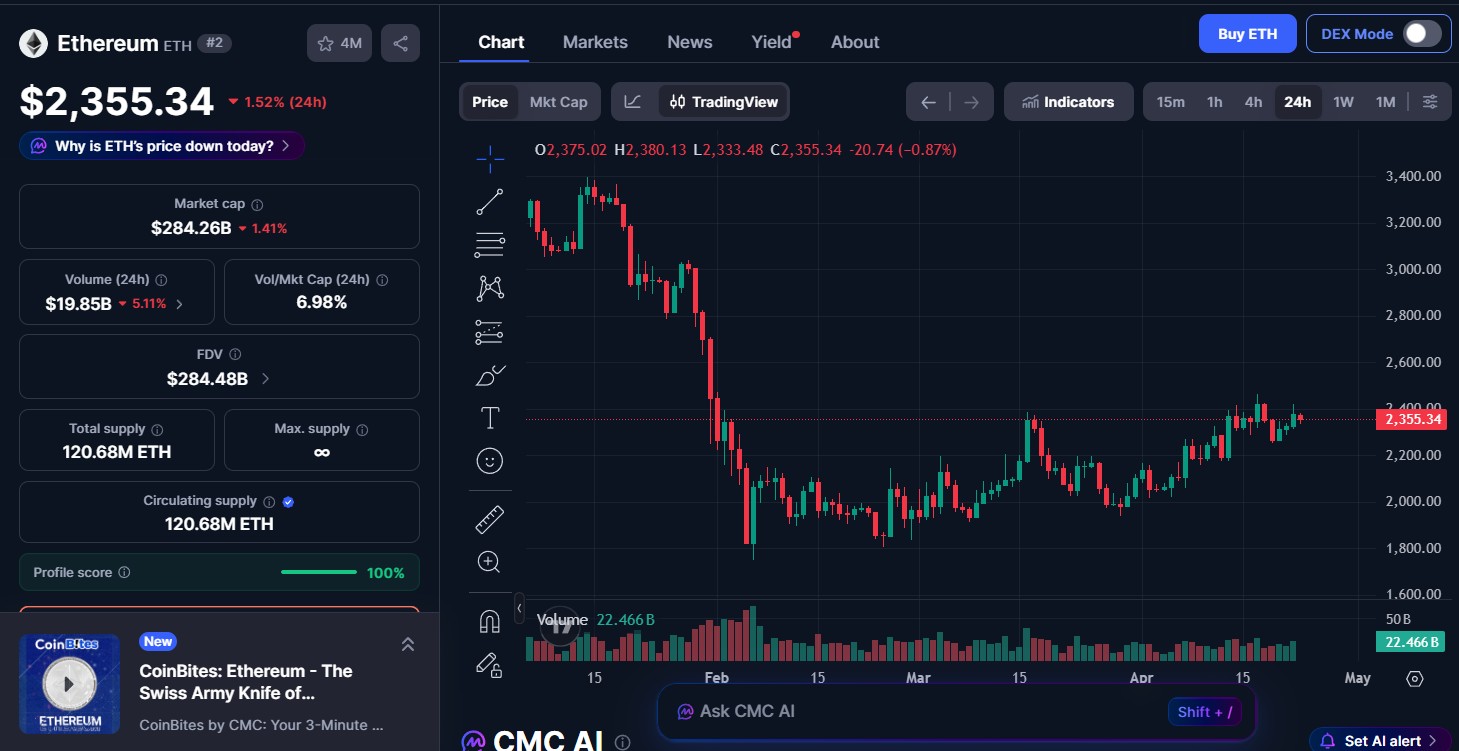
ETH price is currently trading around $2,355.34, showing resilience despite wider market swings. Its value is shaped by both internal progress and overall crypto sentiment. Upgrades, staking, and stronger infrastructure continue to support positive long-term views.
Source: Coin Market Cap
Long-Term Outlook: Many analysts believe ETH could gain more value as it improves scalability and strengthens its network. The shift to Proof-of-Stake and future scaling upgrades have made it more appealing to both retail and institutional investors.
Bitcoin Influence and Market Sentiment: ETH often moves in the same direction as Bitcoin because Bitcoin still leads the wider crypto market. When Bitcoin rises or falls sharply, Ethereum usually reacts as well. Still, ETH has also shown moments where its own upgrades and adoption trends drive separate momentum.
The Merge and What It Means for Investors
The move from Proof-of-Work to Proof-of-Stake marked a major turning point. This transition reduced energy use, improved network efficiency, and strengthened appeal to environmentally conscious investors. Many believe this shift could support long-term growth, though short-term volatility may still appear.
Conclusion
The future still looks strong. With major upgrades, Layer 2 expansion, NFT leadership, and a more efficient network model, Ethereum remains a major force in crypto. If these changes continue to deliver results, Ethereum news could see stronger adoption and deeper investor confidence in the years ahead.
Disclaimer: This content is for informational purposes only and does not count as financial advice. Always do your own research before making any crypto investment.







