India Gold Import Duty Surged 15% from Today With Silver, Why?

India Gold Import Duty Hike, Reason, Impact, Current Price, Alternates
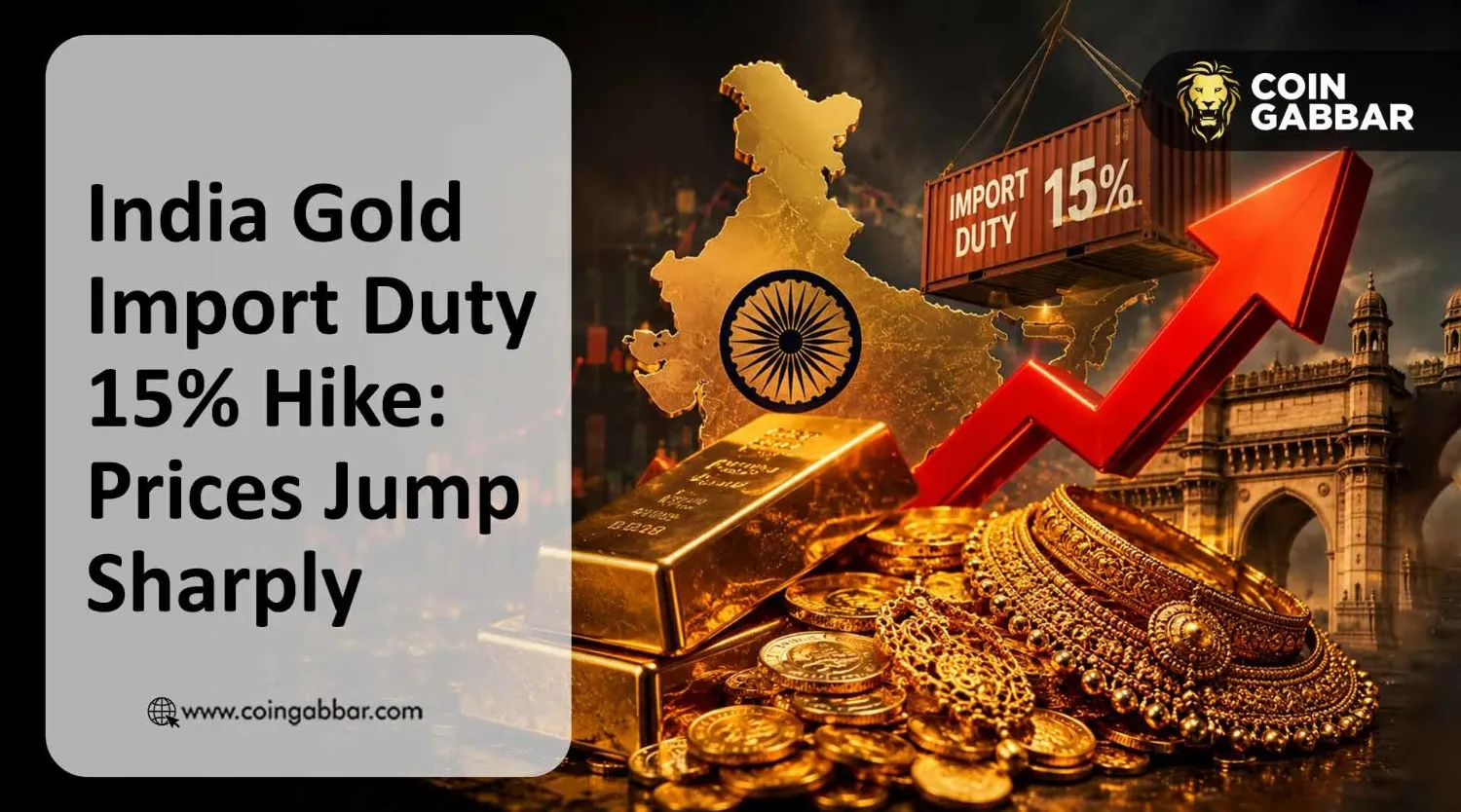
Buying gold in India just got a whole lot more expensive. In a move that caught the market off guard on May 13, 2026, the Indian government hiked the India gold import duty from 6% to 15%. This sudden shift sent shockwaves through the bullion market, leaving shoppers and investors scratching their heads about what to do next.
Source: Department of Revenue (16/2026-Customs)
How India Gold Import Duty Increased Impact Domestic Prices
This duty hike is a massive shift from the 2024 budget, which had slashed taxes to give the jewellery industry a leg up. Now, the total tax on gold and silver, 10% basic customs duty and the 5% AIDC/cess, sits right at 15%.
The market didn't wait around to react. On the MCX (Multi Commodity Exchange), gold-futures shot up by over ₹9,000 in a single day. For anyone checking the price today, this translates to an extra ₹1,100 to ₹1,400 for every 10 grams at the jewellery store.
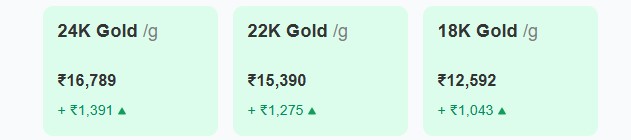
Source: GoldReturns.in
Silver prices also climbed, although the spike wasn't quite aggressive.

Since India imports nearly all the gold it consumes, any tax increase at the border goes straight to the customer's bill.
Why the Government Increased Duty Now
You might be wondering why the government would choose to make bullion so pricey. The logic boils down to three things: cutting down on unnecessary imports, narrowing the trade deficit, and protecting the Indian Rupee.
The gold-demand in India has touched a record high at approximately $72 billion in FY 2025-26, an increase of 24% from the last fiscal year.
The Indian rupee also faced massive pressure, even reaching its highest low of 95 against USD earlier this year, combined with the war situation and oil prices.
Since gold-imports are paid for in US Dollars, they drain our foreign exchange reserves. By making the metal more expensive, the government is trying to keep more dollars inside the country.
However, experts are sounding the alarm on gold smuggling fear. History shows that whenever the rate increase India creates a huge price gap between local and global markets, illegal trade tends to skyrocket. Everyone is watching to see if this move actually stabilizes the economy or just feeds the black market.
Crypto vs Gold: Is Bitcoin a Better Alternative in 2026?
With India domestic metal prices rise making physical coins and bars harder to afford, there may be some other solution that can save the day. That's where the crypto vs gold India 2026 comes into play. A lot of younger, tech-savvy savers are starting to see Bitcoin as "digital-gold."
Unlike physical metal, Bitcoin doesn’t need a customs official to clear it at the border. While the gold-price after customs duty feels like a heavy burden, crypto offers a portable, borderless crypto alternative. We might even see a physiical bullion duty hike benefit to Bitcoin, as investors move their cash into digital assets to dodge the high premiums of physical metal.
Industrial Support: Nikhil Kamath’s Gold-Backed Stablecoin Vision
While people weigh their options, Zerodha co-founder Nikhil Kamath has suggested a "middle ground" between old-school bullion and new-age tech. Kamath recently shared a vision for a gold-pegged stablecoin. The idea is simple: let Indians tokenize the mountains of idle metals currently sitting in home lockers and bank vaults.
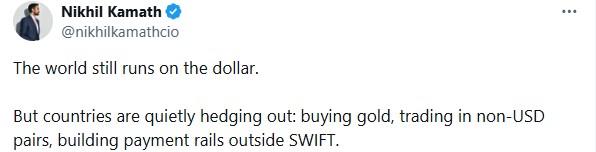

By adopting a cryptocurrency based on real gold-reserves, citizens would gain from the benefits of the precious metal, but without the limitations associated with the metal itself. In doing so, it might even bring down India's dependence on the US Dollar, while finally giving Indian citizens a chance to make money off their golds.
The Future of Your Savings: Gold vs Bitcoin
At the end of the day, the choice between Gold-Bitcoin is personal. The yellow metal is woven into the fabric of Indian culture, essential for weddings and festivals. Bitcoin is the high-tech newcomer, but it brings its own set of taxes and volatility.
Whether you’re sticking with the shine of a gold-bangle, moving to a digital wallet, or waiting for a hybrid digital-gold token, the India gold import duty hike has completely changed the rules of the game. Keep an eye on official gazette notifications to stay ahead of the next market move.
Disclaimer: This article is for informational purposes only and does not constitute financial or legal advice.
Also read: