How Bitcoin Continues to Shape Market Direction in 2026

How Bitcoin Shapes Crypto Market Trends in 2026
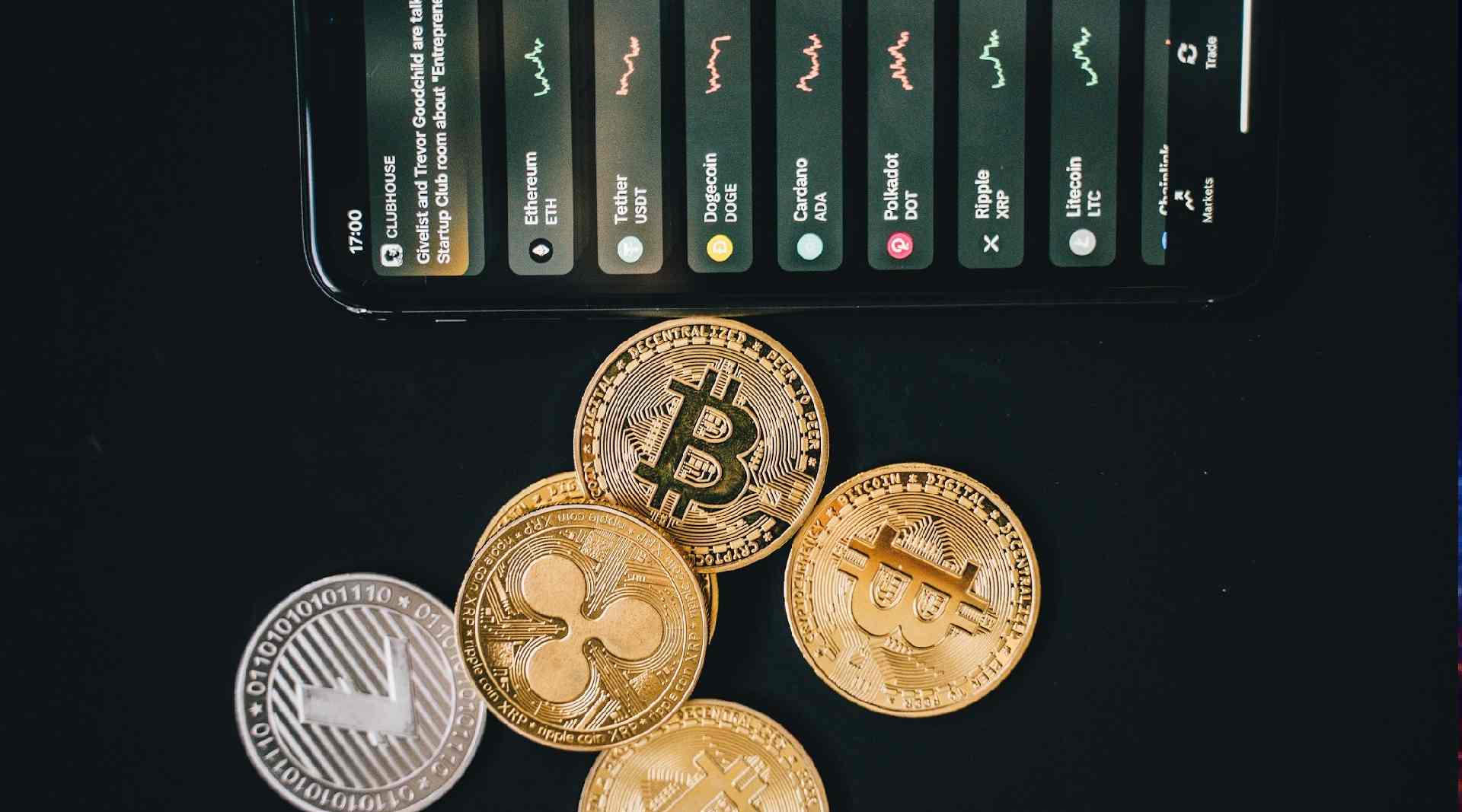
Bitcoin still sets the pace. That’s probably the simplest way to look at it. The market has expanded, new sectors have emerged and liquidity moves more freely than it used to, but when Bitcoin shifts, everything else tends to react in some way.
You can see it even in smaller movements. A change in btc inr often gets picked up quickly, not just because of the price itself, but because it signals where attention might move next. It’s not always immediate, but the pattern repeats often enough to notice. Traders don’t always wait for confirmation from other assets either. Many of them look at Bitcoin first, then decide what to do next based on how it behaves.
The Market Still Looks to Bitcoin First
Altcoins don’t really like moving without direction. If Bitcoin drifts sideways, most of the market does the same. When it breaks out, momentum usually spreads quite quickly.
That behavior hasn’t changed much and it lines up with how concentrated the market still is. Data from Binance puts dominance at around 59%, which is enough to keep it firmly at the center of most trading activity.
It doesn’t mean everything depends on it, but it does mean most decisions start there. moves first and the rest of the market tends to adjust once that move becomes clearer. You can often see smaller assets hesitate before following through, almost waiting for that confirmation.
Liquidity Has Spread Out, but It Still Runs Through Bitcoin
There’s definitely more capital moving through crypto now. It’s easier to enter, easier to transfer funds and generally less restrictive than it was a few years ago.
Stablecoins have played a big part in that. Research shows the segment was valued at roughly $3.3 billion in 2025 and is expected to grow further over the coming years.
That kind of growth makes the market feel more active. Transactions happen faster and funds move between assets more easily.
Even with that, Bitcoin still sits at the center of most flows. A lot of trading activity still references BTC directly or indirectly, which keeps it relevant regardless of how many new assets appear. It often acts as the bridge between different parts of the market, even when users don’t notice it directly.
Institutional Money Is There, Just Not Fully Embedded Yet
Institutional interest has increased, but it hasn’t settled into a stable pattern yet. Part of that comes from how the crypto market itself has evolved, moving from early fundraising models like ICOs to more structured approaches such as IEOs and IDOs, which reflect different levels of oversight and participation.
According to Binance insights, spot ETFs currently account for around 9% of total BTC spot volume. In more established markets, that kind of participation would usually sit much higher, somewhere closer to 30–40%.
So there’s a gap. Institutions are involved, but they’re not dominant. That leaves the market in an in-between state, where large players are present, but retail activity still has a noticeable influence.
It’s part of why price movements can feel uneven. There isn’t one clear driver behind them yet. At times, sentiment shifts quickly and without a dominant force stabilizing things, those moves can carry further than expected.
Bitcoin Doesn’t Move in Isolation Anymore
Crypto used to feel detached from everything else. That’s not really the case anymore.
Bitcoin now reacts to many of the same factors that move traditional markets. According to Binance insights, BTC has recently tracked movements in oil prices and broader macro headlines, sometimes quite closely.
You can see it during periods of uncertainty. News comes out, sentiment changes and Bitcoin responds almost immediately. It doesn’t always hold that correlation for long, but the connection shows up often enough to matter.
That shift changes how the market is read. It’s not just about crypto-specific developments anymore. Broader economic signals now play a part, which adds another layer to how price movement is interpreted.
Patterns Haven’t Disappeared; They’ve Just Become Less Obvious
There’s still structure underneath everything, even if it doesn’t look as clean as it used to.
Midterm years have historically brought deeper drawdowns, with Bitcoin often reacting more strongly than traditional assets. After that, the following period tends to see stronger recoveries once conditions settle.
That pattern hasn’t gone away, but it’s less obvious while it’s happening. External factors interrupt it and price action doesn’t always line up neatly with expectations.
It’s easier to recognize in hindsight than in real time. When you zoom out, those cycles still appear, even if they feel less predictable up close.
Growth Is Happening Around Bitcoin, Not Away From It
The market has expanded, but Bitcoin hasn’t lost its position because of it. If anything, the growth around it reinforces its role.
As Richard Teng, Co-CEO of Binance, explains, “As the industry evolves, we’re seeing more institutions entering the space and these institutions demand high standards of compliance, governance and risk management. These investments are not just about meeting regulatory requirements; they are strategic and position us to onboard the next billion users.”
More participants, more infrastructure, more ways to access the market. All of that adds layers, but it doesn’t shift the starting point.
Bitcoin is still where most attention begins. It’s the asset people return to when they want a quick sense of direction, even if they’re focused on something else.
It doesn’t need to dominate every conversation to stay relevant. As long as it continues to move first and set the tone, the rest of the market will keep responding to it in one way or another.