Free Blockchain Development Resources: Learn Web3 in 50 Days

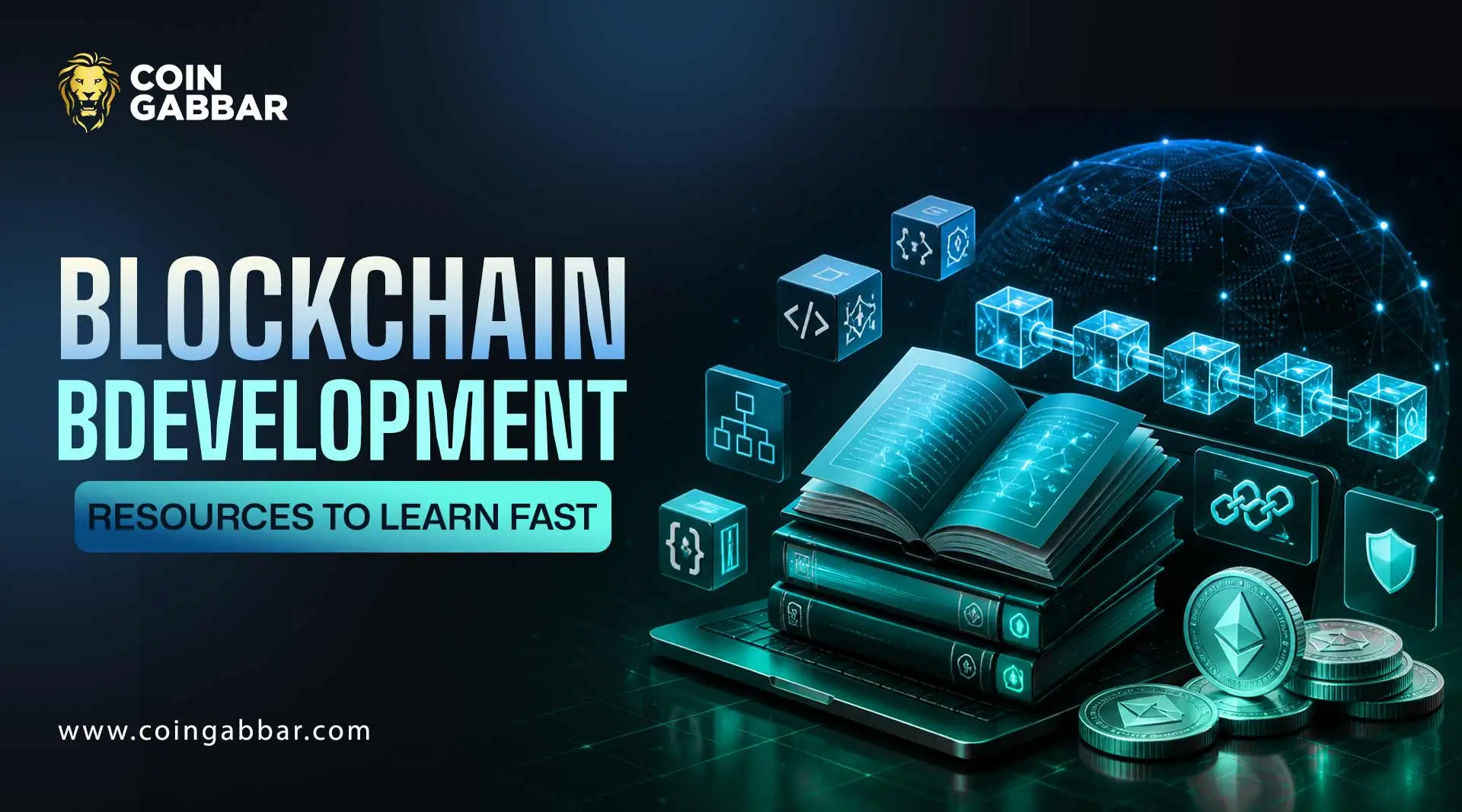
Master Web3 Fast Using Free Blockchain Development Resources in 50 Day
Blockchain development is one of the most in-demand tech skills of 2026. But most beginners face the same problem: too many resources, no clear direction, and no idea where to actually start.
Most blogs just hand you a list of courses. They don't tell you how to use them, in what order, or what to build along the way.
This guide is different. You'll get 10 free blockchain development resources that actually work — plus a 50-day roadmap that shows you exactly when and how to use each one. Whether you want to become a full-time Web3 developer or just build your first smart contract, this is your step-by-step starting point.
Why Learn Blockchain Development in 2026?
The demand for blockchain developers is growing faster than the supply. According to LinkedIn Talent Insights, Web3 and blockchain roles consistently rank among the highest-paying developer positions globally — with many remote-first opportunities.
Beyond jobs, blockchain developer roadmap skills open doors to:
Building decentralized apps (dApps) used by millions
Contributing to DeFi protocols managing billions in value
Creating NFT platforms, DAOs, and tokenized real-world assets
Freelancing or launching your own Web3 project
The barrier to entry is lower than people think — especially with today's free web3 courses and hands-on learning tools. You don't need a computer science degree. You need a clear plan and consistency.
50-Day Blockchain Learning Roadmap
This is the section that most blogs skip, and it's the most important one to make proper use of free blockchain development resources
Here's how to structure your 50 days so every resource you use builds on the last:
Days 1–10: Foundations
Understand what blockchain is and how it works
Learn how Bitcoin and Ethereum function at a basic level
Study cryptography basics: hash functions, public/private keys, digital signatures
Resources: Ethereum.org Learn section, freeCodeCamp introductory videos
Days 11–25: Core Development Skills
Learn Solidity — Ethereum's smart contract language
Understand the Ethereum Virtual Machine (EVM) and how contracts are executed
Write your first basic smart contracts
Resources: CryptoZombies (gamified Solidity), Alchemy University (structured curriculum)
Days 26–40: Build Real Projects
Build and deploy your first dApp
Integrate a Web3 wallet (MetaMask) into a frontend
Write unit tests for your smart contracts using Hardhat or Foundry
Resources: Buildspace projects, freeCodeCamp full tutorials, GitHub open-source examples
Days 41–50: Advanced + Real-World Tools
Connect smart contracts to real-world data using APIs
Explore DeFi protocols and how they're structured
Analyze real on-chain data using DeFiLlama's tools and documentation
Resources: DeFiLlama Docs, Ethereum.org developer docs, GitHub repositories
10 Free Resources to Learn Blockchain Development in 50 Days
Here are the platforms that make this roadmap possible, all completely free.
1. Ethereum.org: Official Developer Hub
Link: ethereum.org/developers
The official Ethereum documentation is the single most authoritative Ethereum development guide available. It covers everything from how the network works to writing and deploying Solidity contracts, with beginner and advanced tracks.
Best for: Understanding how Ethereum actually works — not just how to code on it.
2. CryptoZombies: Learn Solidity by Building a Game
Link: cryptozombies.io
CryptoZombies has taught over 400,000 developers how to write smart contracts through an interactive game. You learn Solidity by building an NFT-based zombie strategy game — which means you're writing real code from lesson one.
Best for: Absolute beginners who want solidity learning resources that don't feel like textbooks.
3. Alchemy University: Structured Web3 Curriculum
Link: alchemy.com/university
Alchemy University is a free, self-paced platform with video lectures, hands-on coding assignments, quizzes, and a Discord community. Its course flow covers Solidity, smart contract security, Layer 2 scaling, and Web3 frontend integration in one structured path.
Best for: Developers who want a guided, curriculum-style approach to web3 development resources from beginner to intermediate.
4. freeCodeCamp: Full-Length Blockchain Tutorials
Link: freecodecamp.org
freeCodeCamp's YouTube channel hosts some of the most comprehensive blockchain coding tutorials available anywhere online — entirely free. From Solidity fundamentals to full dApp builds, the videos often run 8–16 hours and walk through everything in real time.
Best for: Learners who prefer video-first, zero-to-advanced content without platform paywalls.
5. Buildspace: Project-Based Learning With Community
Link: buildspace.so
Buildspace is where you stop watching and start building. Every cohort focuses on shipping a real Web3 project in a structured timeframe, with community support built in. It's one of the best ways to get your first real blockchain project on your portfolio.
Best for: Anyone who learns better by doing — and needs accountability to finish what they start.
6. Coursera: University-Level Blockchain Courses
Link: coursera.org
Coursera offers blockchain specializations from universities like INSEAD and the University at Buffalo. You can audit most courses for free — meaning you access all content without paying for certification. The University at Buffalo's Blockchain Specialization is particularly strong for technical depth.
Best for: Learners who want structured, academic-style content to understand blockchain from first principles.
7. edX: Blockchain Certifications and Deep Technical Dives
Link: edx.org
edX hosts blockchain courses from MIT, Berkeley, and other top institutions. Like Coursera, most can be audited free. It's one of the best learn blockchain development free options for anyone who wants institutional credibility behind their learning.
Best for: Deep technical understanding and structured progression through blockchain concepts.
8. GitHub: Learn From Real Blockchain Code
Link: github.com
GitHub is where actual blockchain development happens. Repositories like OpenZeppelin (smart contract standards), Uniswap, and Aave publish their full codebases publicly. Reading, forking, and experimenting with production-grade code accelerates learning faster than any course.
Best for: Intermediate to advanced developers ready to move from tutorials to real-world code.
9. Solidity by Example: Quick Reference for Smart Contracts
Link: solidity-by-example.org
This open-source resource offers clean, annotated Solidity contracts for common patterns: ERC-20/721 tokens, auctions, DAOs, staking, and more. It's not a course — it's a reference library you'll return to constantly during projects.
Best for: Developers who want fast, no-fluff code examples when building or debugging.
10. DeFiLlama Docs: Real-World Blockchain Data and APIs
Link: defillama.com
DeFiLlama is the leading on-chain analytics platform tracking TVL, protocol data, and token flows across every major blockchain. Its public API and documentation give developers access to real, live blockchain data — an essential tool for building Defi learning tools and data-driven dApps.
Best for: Advanced learners who want to work with real DeFi data and build projects that connect to the live blockchain ecosystem.
All 10 Resources at a Glance
Resource | Type | Best For | Cost |
Ethereum.org | Official Docs | Ethereum fundamentals | Free |
CryptoZombies | Interactive Game | Solidity beginners | Free |
Alchemy University | Structured Course | Web3 curriculum | Free |
freeCodeCamp | Video Tutorials | Zero-to-advanced | Free |
Buildspace | Project-Based | Building real dApps | Free |
Coursera | University Courses | Academic depth | Audit free |
edX | Certifications | Institutional learning | Audit free |
GitHub | Open-Source Code | Reading real code | Free |
Solidity by Example | Code Reference | Quick smart contract patterns | Free |
DeFiLlama Docs | APIs + Data | Real-world data integration | Free |
How to Use These Resources Without Getting Overwhelmed?
Having 10 free blockchain development resources is only useful if you use them in the right order. Here's the simple rule:
Follow the roadmap, not your curiosity. It's tempting to jump between platforms, but that leads to surface-level knowledge across too many topics. Instead:
Stick to one resource per phase of the roadmap
Build something after every 10 days — even if it's small
Use GitHub and Solidity by Example as references, not primary learning tools
Only move to the next resource when you've applied what you just learned
Blockchain development rewards people who build and break things, not just those who watch the most tutorials.
Common Mistakes to Avoid
These are the habits that slow most beginners down:
Only watching tutorials without writing any code — passive learning doesn't translate to skills
Skipping Solidity and hoping to learn "blockchain" abstractly — the code is where the understanding lives
Not building projects — your first dApp teaches you more than 20 hours of video
Jumping between too many platforms — pick one per phase and finish it
Expecting fast results — most developers take 60–90 days before they feel confident
The learn blockchain in 50 days plan above is aggressive but achievable.
Final Thoughts
Learning blockchain development doesn't have to cost anything or take years. The 10 free blockchain development resources in this guide cover every phase — from your first "what is a blockchain" question all the way to building and deploying real dApps connected to live data.
The 50-day roadmap gives you the structure. The resources give you the content. What you bring is consistency and a willingness to actually build things.
Start with Ethereum.org and CryptoZombies. Follow the roadmap. Ship something by Day 40. That's how most successful Web3 developers got their start — and it's exactly how you can too.
Disclaimer: This content is for educational purposes only. Blockchain development outcomes vary based on effort and practice. Always do your own research before making career or financial decisions.