How to Deploy Avalanche Subnet Step-by-Step Developer Guide

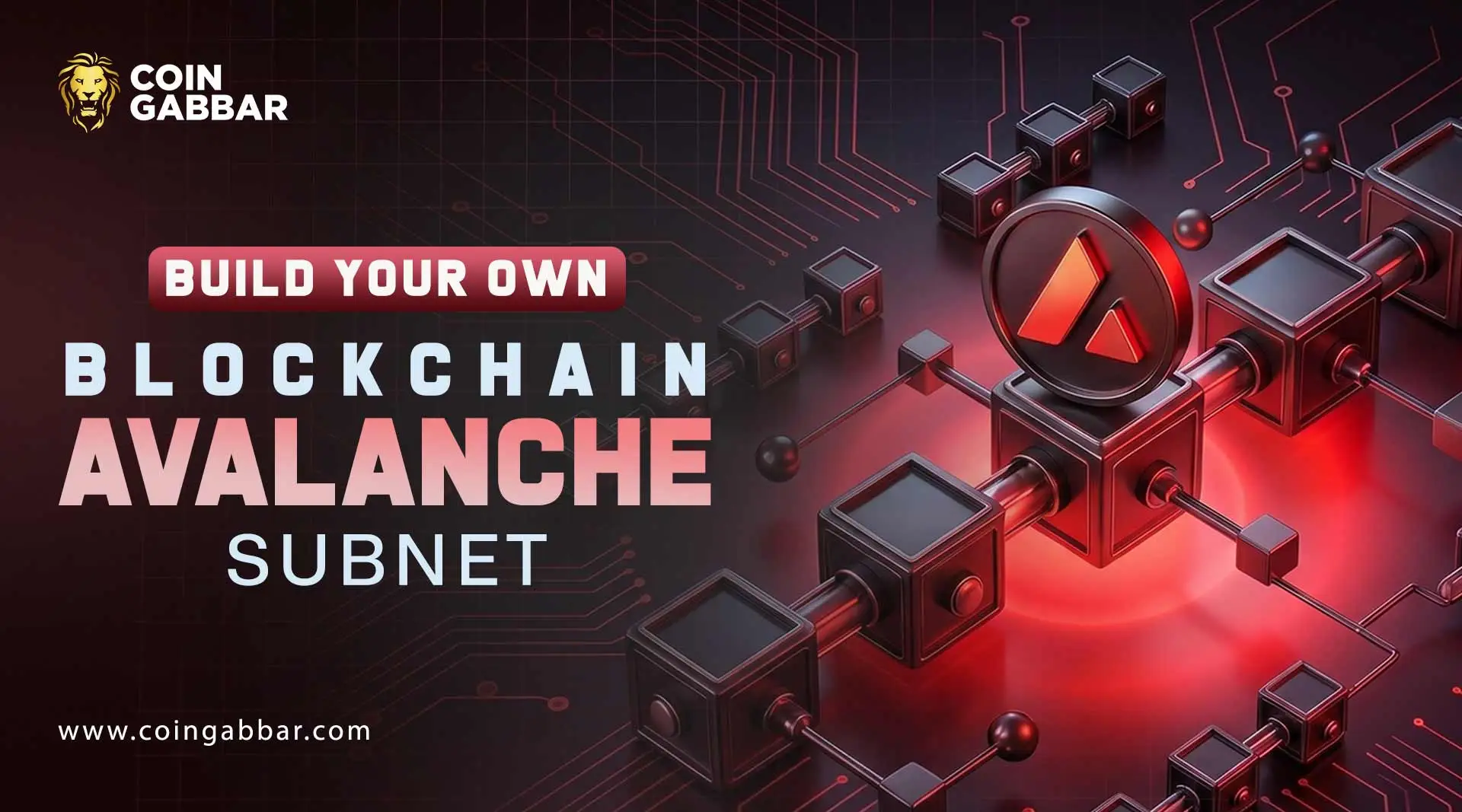
Avalanche Subnet Deployment Guide: Build Your Custom Blockchain Easily
An Avalanche subnet is a custom blockchain network built on Avalanche. It lets builders create app-specific chains with their own rules.
Why does this matter? A game, DeFi app, or enterprise product may need dedicated blockspace. That means your app doesn’t fight other apps for speed.
Use a subnet when you need custom gas fees, private validators, or your own token. It also makes sense when C-Chain smart contracts feel too limited. Avalanche docs now often call these networks Avalanche L1s.
Avalanche Subnet Deployment Requirements
Before you deploy, prepare the core tools first. You’ll need Avalanche CLI, AvalancheGo, and a funded wallet.
Avalanche CLI helps you create and deploy the chain. AvalancheGo runs the node software. Core Wallet helps manage AVAX, addresses, and transactions.
For testing, use Fuji testnet AVAX. For mainnet, you’ll need real AVAX Network funds. You should also know basic Linux commands, RPC setup, and server management.
This Avalanche subnet setup works best when tested locally first.
Step 1: Set Up AvalancheGo And Avalanche CLI
Start with Avalanche CLI. It gives you simple commands for creating an Avalanche L1.
Check that the tool works:
avalanche --version
Then create your first chain setup:
avalanche blockchain create mySubnet
The setup wizard asks for your VM type, validator model, chain ID, and gas token. Avalanche’s official guide uses avalanche blockchain create for this flow.
AvalancheGo matters because validators use it to run nodes. Without nodes, your Avalanche subnet can’t produce blocks.
Step 2: Choose EVM Or Custom VM
This is a key choice. Do you want Ethereum-style smart contracts?
Pick Subnet-EVM if your team writes Solidity. It works with tools like Remix, Foundry, MetaMask, and Hardhat. The Subnet-EVM supports Solidity smart contracts and most Ethereum tooling.
Choose a custom VM only if you need new execution rules. A VM means virtual machine, which defines how your chain runs.
For most teams, Subnet-EVM is safer. It lowers dev time and audit risk.
Step 3: Configure Your Avalanche Subnet
Now define the chain settings. This step shapes the user experience.
Set the chain name, chain ID, gas token, and fee rules. Also set the genesis file. A genesis file stores the chain’s first state.
You can add precompiles too. A precompile is built-in code that handles special chain actions.
Decide if validators are permissioned or open. Permissioned validators need approval. Open validators can join under your rules.
This Avalanche subnet choice affects security, cost, and control.
Step 4: Create The Native Token
Your native token pays gas on the chain. That means users spend it to send transactions.
Choose the name, symbol, supply, and first wallet balances. Keep this simple on testnet.
For example, a game chain may use GAME as its gas token. A DeFi chain may use a governance token.
Don’t treat token design lightly. Token rules can affect users, taxes, and legal risk.
This is where Avalanche AVAX differs from your chain token.
Step 5: Deploy Locally First
Local deployment helps you find mistakes early. It also saves money.
Use this command:
avalanche blockchain deploy mySubnet --local
Avalanche’s local guide says this command deploys an existing chain setup to a local network.
After deployment, test your RPC URL. RPC means a server link that wallets and apps use.
Send test funds. Deploy a simple contract. Check block speed and gas fees.
A local Avalanche subnet test should happen before Fuji.
Step 6: Deploy On Fuji Testnet
Fuji is Avalanche’s public testnet. It lets you test with network conditions.
Fund your wallet with Fuji AVAX. Then deploy your subnet setup to Fuji.
After that, add the RPC to your wallet. Check balances, transfers, contract calls, and explorer data.
This is also the right time to test user flows. Can a new user add the chain fast? Can your app detect the network?
A real Avalanche subnet guide should never skip Fuji testing.
Step 7: Validator Requirements And Node Setup
Validators keep your chain alive. They run AvalancheGo and track your subnet.
Plan CPU, RAM, storage, and bandwidth before launch. More traffic needs stronger servers.
You also need uptime monitoring. A validator that drops often can hurt the network.
Avalanche Layer 1 blockchains can set their own validator rules. These can include hardware, location, or compliance needs.
Good validators make an Avalanche subnet more stable.
Step 8: Mainnet Deployment And Cost Estimation
Mainnet is where real cost starts. Plan this before launch.
Your cost may include:
Validator servers
AVAX fees
RPC service
Monitoring tools
Security audits
Backup systems
DevOps support
Custom VMs cost more than Subnet-EVM. They need deeper testing and more review.
A simple deploy Avalanche subnet plan can start with few validators. A high-traffic app needs more.
For cost planning, split expenses into setup cost and monthly cost. This keeps your budget clear.
Avalanche Subnet Deployment Checklist
Use this checklist before mainnet.
Define the chain use case
Pick EVM or custom VM
Set chain ID and gas token
Create the genesis file
Test locally
Deploy on Fuji
Add validator nodes
Test wallet RPC
Review token rules
Estimate server cost
Audit contracts
Prepare launch docs
This Avalanche subnet deployment checklist helps avoid scattered work.
Final Thoughts
An Avalanche subnet gives builders more control than a shared smart contract.
You can set fees, choose validators, create a native token, and build custom rules. That makes it useful for games, DeFi apps, and enterprise chains.
Start with Subnet-EVM unless your project truly needs a custom VM. Test locally, then test on Fuji.
That is the safest path for how to deploy Avalanche subnet projects.
Disclaimer: This guide is for education only. Crypto and blockchain deployment involve technical, security, and financial risks. Always test carefully and do your own research.
Also read: