Best Polygon DeFi Protocols in 2026: Aave, QuickSwap & zkEVM

Top Polygon DeFi Protocols 2026: Aave, QuickSwap & zkEVM
Polygon has evolved into one of the most active ecosystems for decentralized finance (DeFi), powered by low fees, fast transactions, and robust bridges from Ethereum. In 2026, Polygon DeFi Protocols stand out for their Total Value Locked (TVL) growth, deep liquidity, and diversified yield strategies. DeFi on Polygon combines lending, swapping, farming, and more — all while maintaining strong connectivity with Ethereum’s liquidity and users.
This guide explores the top Polygon DeFi Protocols 2026 including Aave for lending, QuickSwap for trading and yields, and the state of zkEVM‑powered DeFi, highlighting how to access these opportunities from Ethereum.
What Are Polygon DeFi Protocols?
Polygon DeFi refers to decentralized financial applications built on Polygon’s ecosystem — primarily Polygon PoS, that enable users to lend, borrow, trade, provide liquidity, and earn yield without traditional intermediaries.
These protocols leverage smart contracts to automate financial services, reduce fees, and expand access beyond centralized platforms. The success of Polygon DeFi is measured by metrics such as TVL, user engagement, and cross‑chain activity.
Top Polygon DeFi Protocols in 2026
1. Aave – Leading Lending & Borrowing Protocol
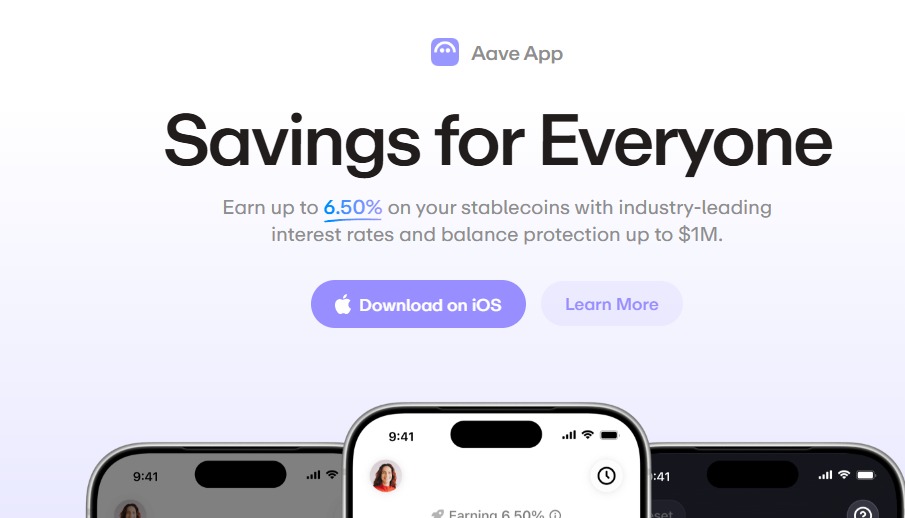
Aave is widely recognized as one of the premier decentralized lending markets in DeFi, available on Polygon PoS and integrated with other chains.
Source: Aave Website
Key Features:
Users can lend assets to earn interest or borrow against collateral.
Supports multiple assets with adjustable interest models.
Flash loans enable instant capital use within single transactions.
Why It’s Top Polygon DeFi Protocols 2026:
Aave architecture places emphasis on capital efficiency and accessibility. Assets such as USDC or ETH are deposited in the respective Aave markets where interest is generated depending on supply-demand relationships. As a result of Aave running on the Polygon PoS chain, both borrowers and lenders enjoy low gas fees.
Yield Opportunities:
Interest earned from lending stablecoins and tokens.
Potential additional incentives or rewards programs depending on protocol governance decisions.
Cross‑chain Access:
Bridging assets from Ethereum to Polygon lets users interact with Aave markets using liquid liquidity from the Ethereum ecosystem. Bridges like Polygon Bridge let users move tokens securely with low fees.
2. QuickSwap – Premier DEX and Yield Hub
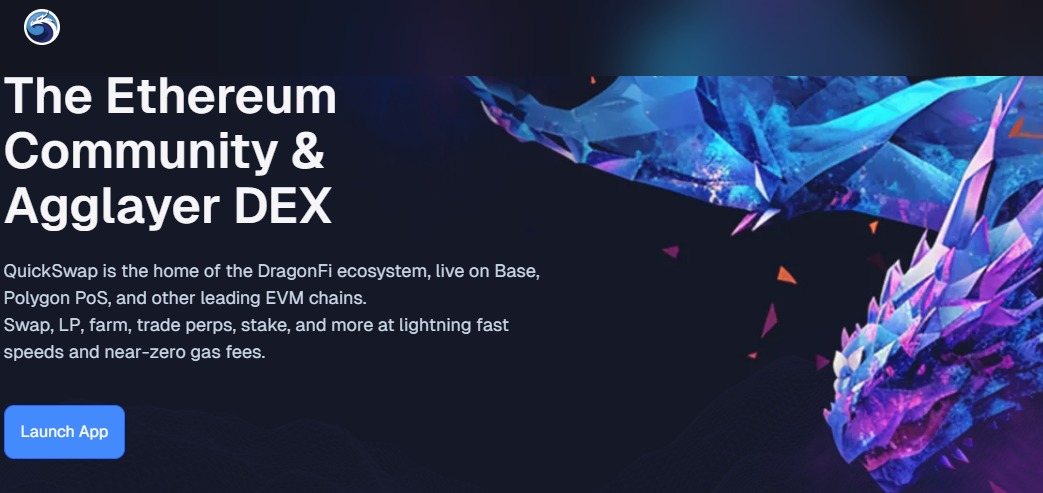
QuickSwap is a high-liquidity Decentralized Exchange (DEX) platform operating within the Polygon network. This exchange provides opportunities to swap tokens, add liquidity, yield farm, and generate income by trading tokens.
QuickSwap
Why QuickSwap is Important:
QuickSwap ranks among the Best Polygon DeFi Protocols in 2026 because traders, liquidity providers, and farmers can use its automated market maker approach for thousands of ERC-20 tokens with rapid trading and low gas fees.
Source: QuickSwap Website
Total Value Locked and Activity:
QuickSwap’s TVL is substantial, with hundreds of millions locked in liquidity pools.
Deep liquidity means minimal slippage and reliable yields from swap fees.
Yield & Liquidity Opportunities:
Liquidity Provision (LP): Earn a share of trading fees by supplying paired tokens.
Farming Rewards: Many pools distribute additional QUICK incentives.
Perps & Advanced Tools: Some versions offer derivatives and advanced order types.
Integration Across Chains:
QuickSwap functions on Polygon PoS, Immutable zkEVM, Base, and other Layer 2s, increasing capital depth and cross‑chain activity.
3. zkEVM DeFi Landscape in 2026
zkEVM implies the development of zero-knowledge rollups that enhance scalability of Ethereum while maintaining complete EVM compatibility. The introduction of zkEVM became one of the critical factors in developing the DeFi ecosystem.
Status of Polygon zkEVM:
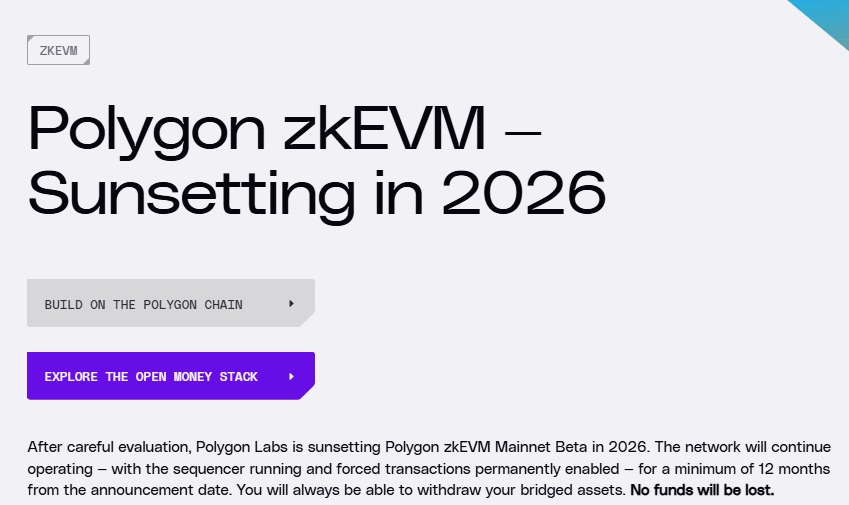
While monolithic zkEVM systems may be under development or sunsetted, zk rollups will have a significant impact on DeFi yields, bridging, and cross-chain liquidity.
Source: Polygon zkEVM Website
zkEVM Protocol Opportunities:
Bridged Liquidity: zk rollups help move assets efficiently from Ethereum to Polygon ecosystems.
Emerging DEXs and Yield Farms: Dedicated zkEVM zones host their own pools and innovations.
Developer Activity: Firms continue building yield aggregators and cross‑chain tools atop zk layers.
Yield Opportunities on Polygon
Polygon’s DeFi space offers varied ways to generate returns:
Lending & Borrowing Rewards
Lending tokens on Aave yields passive interest.
Borrowers can deploy assets elsewhere for arbitrage or leverage.
Liquidity Farming
Providing liquidity earns share of fees and often farmed token rewards.
Staking & Others
Some protocols distribute governance tokens that confer voting rights and additional yield.
Cross‑chain Reward Stacking
Bridged assets can earn yields on multiple protocols once moved from Ethereum to Polygon.
Bridging From Ethereum to Polygon
A key strength of Polygon DeFi Protocols stems from secure, speedy bridges that ferry assets from Ethereum:
Main Bridges Include:
Polygon Bridge: The official cross‑chain bridge for assets like ETH, USDC, and tokens from Ethereum to Polygon.
Layer‑2 Connectors: zk rollup and AggLayer systems enhance throughput.
Why Briding Matters:
Ethereum users benefit from:
Lower gas costs
Faster transaction speeds
Access to deeper yield strategies on Polygon
Bridging lets users retain Ethereum’s liquidity while capturing Polygon’s low‑fee DeFi opportunities.
TVL Growth and Ecosystem Health
Polygon Defi protocols sector contributes a large percentage of the network’s overall TVL, often outpacing other chains in activity and user involvement.
Recent Stats Show:
DeFi protocols make up ~76%+ of Polygon’s TVL.
Cross‑chain bridged assets from Ethereum top over $1B.
Daily user activity and transactions continue climbing into 2026.
High TVL signals confidence, liquidity depth, and network robustness, all critical for users evaluating where to deploy assets.
Risks and Considerations Before You Engage
While DeFi offers strong yields and innovation, users should consider:
Smart Contract Risk: Protocol code may contain bugs.
Impermanent Loss: Providing liquidity can result in losses during high volatility.
Bridge Risk: Moving assets from Ethereum introduces time and counterparty risk.
Regulatory Changes: DeFi operates globally and regulatory frameworks can shift.
Always test with small amounts and use audited, reputable protocols.
Conclusion: Best Polygon DeFi Protocols 2026
In 2026, Polygon DeFi Protocols represent a thriving slice of decentralized finance with Aave, QuickSwap, and zkEVM‑linked strategies at the forefront. Their combination of deep liquidity, robust yield mechanics, and strong Ethereum bridges makes Polygon a top choice for DeFi users seeking growth, flexibility, and innovation.
To succeed in this ecosystem, focus on:
Safe bridging from Ethereum
Diversified yield strategies
Ongoing audit and community developments
Polygon DeFi Protocols landscape will continue to evolve with new tools, protocols, and cross‑chain enhancements enriching user opportunities.
Disclaimer: This article is for informational purposes only and does not constitute financial or investment advice. Cryptocurrency investments carry risks, including market volatility and smart contract vulnerabilities. Always conduct your own research (DYOR) before making any investment decisions.
Also read:










.webp)




