Bitcoin eCash Hard Fork: What You Need to Know in 2026

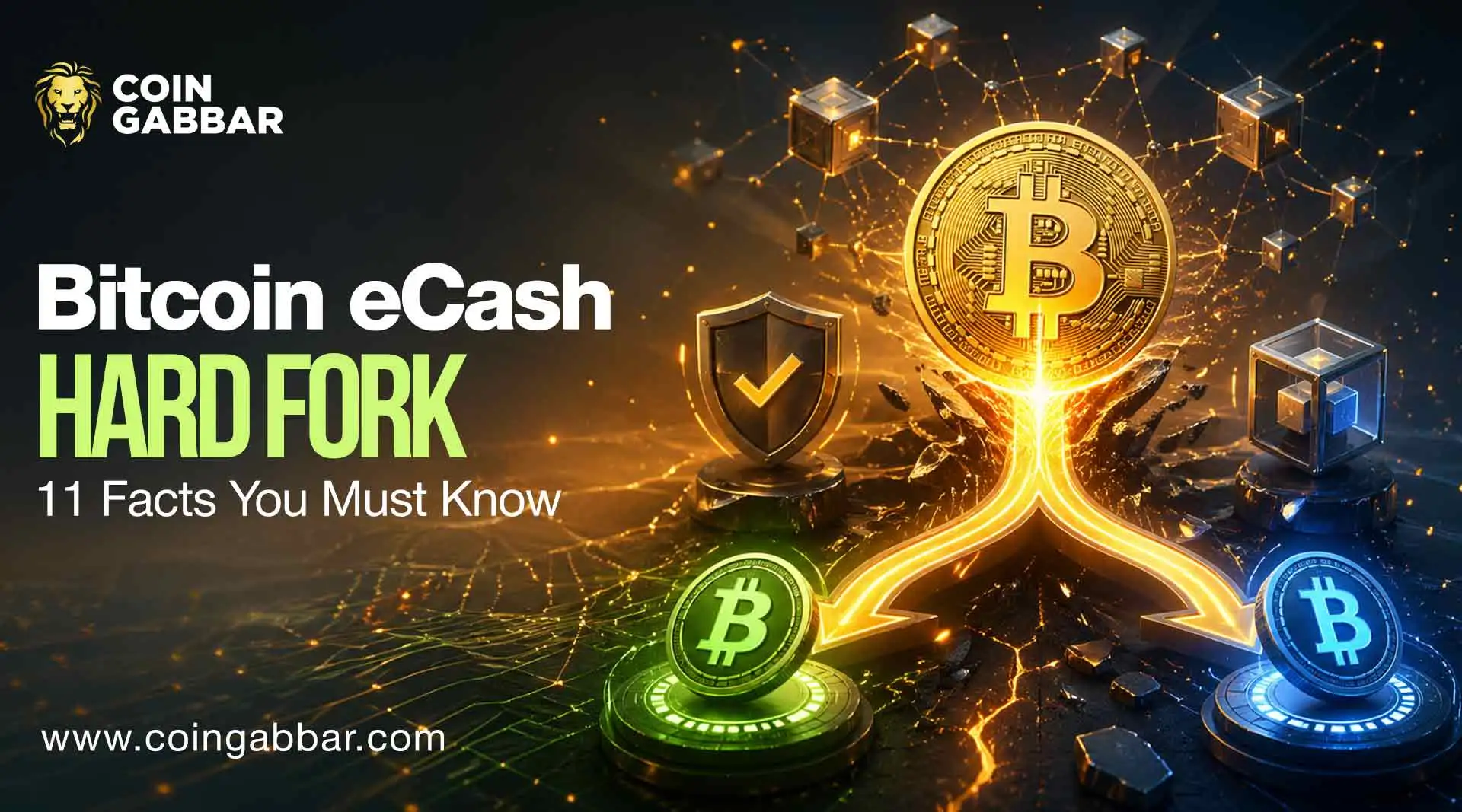
Understanding the Bitcoin eCash Hard Fork and 1:1 Split
Have you ever wondered what would happen if the Bitcoin blockchain underwent a massive, controversial transformation? A significant Bitcoin eCash hard fork is currently the talk of the crypto world as we head toward August 2026. With developers proposing radical changes to how the original chain operates, investors are scrambling to understand what this means for their portfolios and the future of their BTC holdings.
The Bitcoin eCash hard fork is a proposed protocol change scheduled to trigger at block height 964,000. Unlike previous forks that simply changed block sizes, this version aims to integrate advanced, highly debated scalability features directly into the ecosystem. By leveraging the existing Bitcoin ledger, the project hopes to offer a faster, more flexible experience for users.
Understanding the Bitcoin eCash Hard Fork and 1:1 Split
So, how exactly does the Bitcoin eCash hard fork affect you as a holder? When the network splits, it typically follows a 1:1 distribution model. This means if you hold one Bitcoin in a private, self-custody wallet at the time of the snapshot, you are expected to receive one eCash token on the new chain.
It is a process that feels like receiving a digital dividend, but it requires extreme caution. You must control your private keys to claim these tokens, as many major exchanges may not support the Bitcoin eCash hard fork immediately. If you leave your assets on a centralized exchange, you are at the mercy of their support policy. Data is based on market trends and sources. No guaranteed outcomes.
Drivechains and the Satoshi Coins Controversy Explained
At the heart of this fork are "Drivechains"—a layer-two technology designed to process transactions outside the main Bitcoin chain. These chains allow for specific features like smart contracts and enhanced privacy without bloating the main network. However, the Bitcoin eCash hard fork is not just about technology; it’s about a major ethical controversy that has the community divided.
The developers have suggested reallocating 1.1 million Bitcoin linked to Satoshi Nakamoto’s original wallets. While proponents argue this will revitalize "zombie" coins and put them to use, critics view it as a direct threat to the immutability of Bitcoin. This has sparked an intense debate regarding property rights in a decentralized system. Is it innovation, or is it a hostile takeover of the network's history?
The market remains cautious. While some traders see the Bitcoin eCash hard fork as a necessary evolution for scaling, others fear it could fracture the community further. Looking ahead, the success of this project hinges on whether the community trusts the implementation of these new layers. If the developers can prove that Drivechains increase efficiency without compromising the core security, we might see a shift in how Bitcoin handles high-volume traffic.
Why Drivechains?
This fork is the culmination of years of work on BIP-300 (Bitcoin Improvement Proposal). Lead developer Paul Sztorc argues that without drivechains, Bitcoin cannot compete with the utility of Ethereum or Solana. By forking, the team is essentially forcing the activation of features that the main Bitcoin Core developers have resisted for years.
11 Key Facts About the Upcoming Bitcoin Hard Fork
To keep you ahead of the curve, here are the essential facts every trader should know before August 2026:
Launch Timing: The fork is slated for August 2026 at block 964,000.
1:1 Ratio: Anticipate a 1:1 token distribution for existing BTC holders.
Primary Tech: "Drivechains" serve as the main scalability solution.
The Satoshi Issue: Reallocation of 1.1M "Patoshi" coins is the primary flashpoint.
Custody Matters: Only private wallets guarantee access to the new tokens.
Scaling Focus: The goal is to move congestion off the main chain.
Community Split: The project has ignited a massive debate on decentralization.
Leadership: The fork is backed by Paul Sztorc and the LayerTwo Labs team.
Exchange Risk: There is no guarantee that major exchanges will list the eCash token.
Safety Warning: Watch out for "Replay Attacks" that could risk your assets during the fork.
Volatility Risk: Market sentiment remains volatile as the date approaches.
Critical Safety Warning: The Coin-Splitter Tool
To avoid "replay attacks"—where moving your new eCash tokens accidentally sends your original BTC—the developers are releasing a dedicated coin-splitter tool. Never attempt to move your forked tokens until you have used this official tool to separate the assets on both chains. Never share your seed phrase with any site claiming to "verify" your fork eligibility.
The upcoming Bitcoin eCash hard fork represents a bold experiment in blockchain governance. Whether it becomes a standard for scaling or a cautionary tale, it remains one of the most important events to watch this year. Keep your keys secure, follow official security protocols, and monitor major exchange announcements closely.
Disclaimer: This content is for informational purposes only and not financial advice. Always do your own research before investing.





.jpg)




