How to Use Nansen AI for Smarter Crypto Investing Decisions?

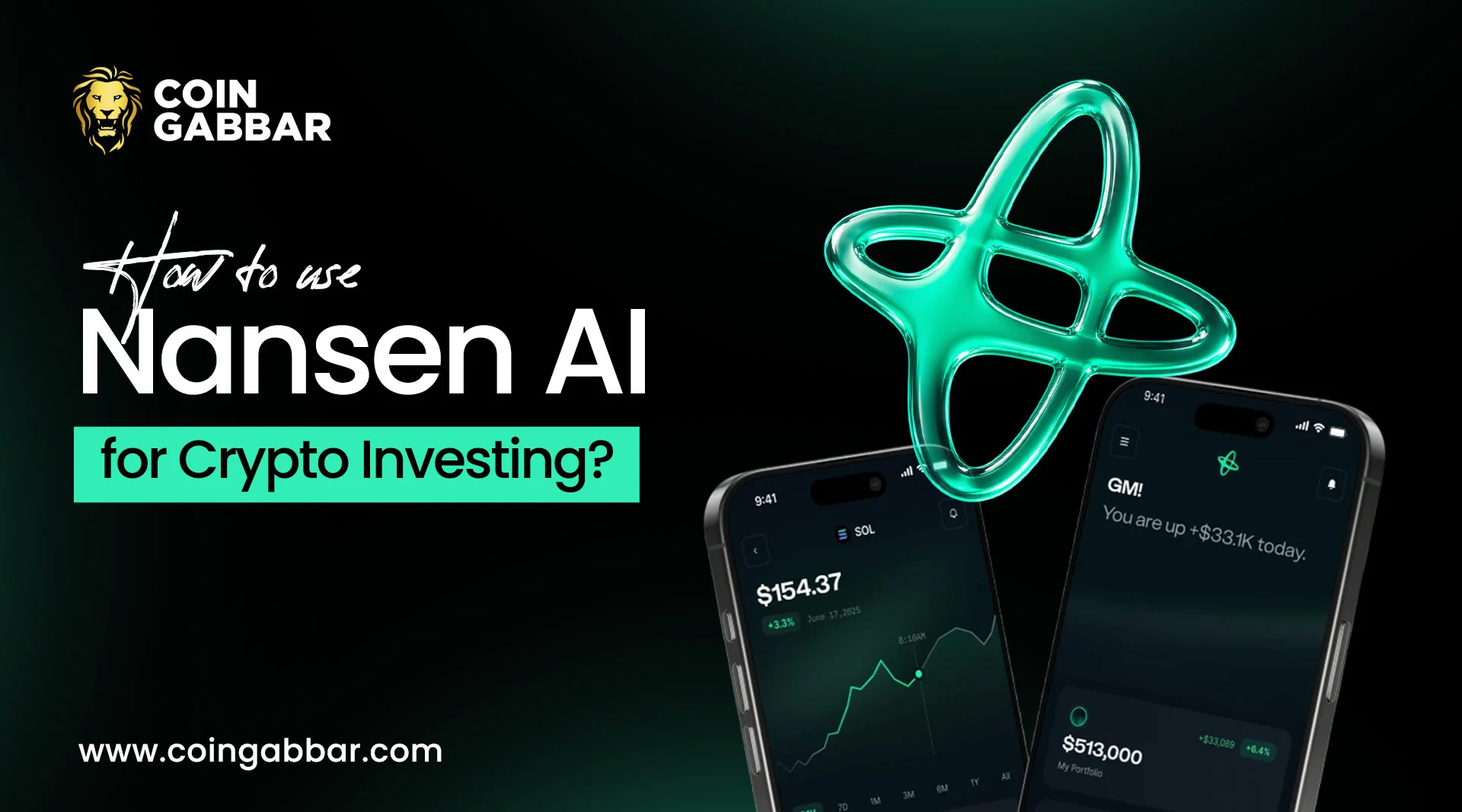
Nansen AI Guide: Track Smart Money and Improve Crypto Entries
Crypto moves fast. Most traders see price after the move starts. Nansen AI helps you look earlier by tracking wallets, tokens, and money flow on-chain. On-chain means data recorded on a public blockchain.
This tutorial shows how to use Nansen AI in a practical way. You’ll learn where to look first, what signals matter most, and how to turn raw data into a simple research habit.
What Is Nansen AI And Why Does It Matter?
So, what is Nansen AI? It is a blockchain research platform that tags wallet activity and turns complex on-chain data into readable dashboards. You can see which wallets buy, sell, or move funds before the crowd reacts.
That matters because crypto often follows money, not headlines. It helps you spot whale entry, smart money rotation, and fresh token demand with less guesswork. For new investors, that can save time and reduce bad entries.
Some readers search for its crypto tools when they want a clearer view of market behavior. That search makes sense, because the platform is built for token research, crypto wallet tracking, and trend spotting.
How To Start Using The Nansen Dashboard?
Start simple. Open the dashboard, pick your chain, then choose the tokens or wallets you want to watch. Well, Ethereum, Base, and Solana often give the most active flows for beginners.
Next, learn the core tabs. Focus on Smart Money, Hot Contracts, Token God Mode, and Alerts. These are the main Nansen AI features most investors use first.
Think of this section as your Nansen guide to the platform. You do not need every tool on day one. You only need the pages that help you find strong demand and avoid weak setups.
How To Use Smart Money Wallet Labels?
Wallet labels are one of the biggest reasons people use Nansen AI. The platform groups wallets by type, such as funds, whales, smart money, or exchanges. That gives you context before you trust any move.
This is where Nansen wallet labels become useful. If five smart money wallets buy one token in 24 hours, that signal matters more than random retail buying. You can click a wallet, check past trades, and see whether it tends to buy early.
Here is a simple use case. A new meme coin starts trending on Base. Before you buy, check whether known profitable wallets entered first, or whether only fresh wallets are chasing hype.
How To Read The Hot Contracts Dashboard?
The Hot Contracts page shows which token contracts get the most attention across tracked wallets. A contract is the token’s on-chain address. If activity jumps, interest may be building.
Use Nansen AI here to ask one question: who is buying? A hot token is not always a good token. If the demand comes from smart wallets, the signal is stronger than a spike driven by unknown wallets.
This is why Nansen hot contracts can help you find early narratives. Still, never buy from this screen alone. Check the quality of wallets, the age of the trend, and the token’s holder mix first.
How Token God Mode Helps Token Research?
Token God Mode gives a deeper token view. It shows holder distribution, exchange inflows, smart money activity, and wallet concentration. Wallet concentration means how much supply sits in a few hands.
That matters because concentrated supply can create sharp dumps. Nansen AI helps you see if a token has broad support or depends on a small number of big holders. A token held by 20 strong wallets looks very different from one held by 2 wallets and a marketing push.
Before buying, scan three things:
smart money inflow
exchange deposits
top holder share
If exchange deposits rise fast, selling pressure may follow. If smart money buys while exchange inflows stay low, the setup often looks healthier.
How To Set Alerts For Whale Entry?
Alerts save time. You do not need to sit on the dashboard all day. Nansen AI can notify you when tracked wallets buy, sell, or move large amounts.
That helps during fast markets. A whale entry alert can show interest before the token reaches crypto X timelines or trading groups. You still need to verify the reason behind the move.
Use alerts for a few high-signal wallets only. If you track too many, noise will drown out the good signals.
How To Track ETF Flows With Nansen AI?
ETF flows now shape market mood in a big way. Spot Bitcoin ETF products in the US pulled in billions during strong weeks, and those flows often affect Bitcoin, Ethereum, and large-cap sentiment. It helps you track that broader demand.
This matters more now because of Nansen AI new features 2026 around market flow analysis and fund tracking. You can pair ETF demand with wallet activity to see whether large investors support the same trend.
If ETF inflows rise while smart wallets buy majors, the signal gets stronger. If ETF flows weaken while whales sell, caution usually makes more sense.
How To Build A Simple Investment Workflow With Nansen AI?
A clean workflow beats random clicks. Start with a theme. Maybe AI tokens are moving, or maybe Base meme coins are active. Then use it to check whether money supports the story.
Follow this order:
find the active narrative
open Hot Contracts
review smart money wallets
check Token God Mode
set wallet alerts
confirm broader market flows
This is the heart of a Nansen smart money guide. You are not trying to copy whales blindly. You are trying to build a repeatable process that shows demand, risk, and timing before you enter.
Common Mistakes To Avoid When Using Nansen AI
The first mistake is blind copying. A whale may buy early, hedge elsewhere, or exit before you even see the move. Nansen AI shows activity, not hidden intent.
The second mistake is trusting one signal. A hot contract can still fail. A smart wallet can still be wrong. Good research needs more than one clue.
The third mistake is weak risk control. Even strong data cannot protect you if you buy too late, size too big, or ignore stop levels.
Conclusion
Used well, Nansen AI can make crypto research more clear and less emotional. It helps you follow money, not noise. That alone can improve your entries.
This is not a full Nansen AI review, and it is not a buy signal machine. It is a research tool. If you stay patient and use clean rules, it can become a strong part of your investing routine.
Disclaimer: Crypto investing is risky. Use it for research only, and always do your own checks before making any investment decision.
Also read: