Is Spur Protocol Legit or Scam? Full Safety Review

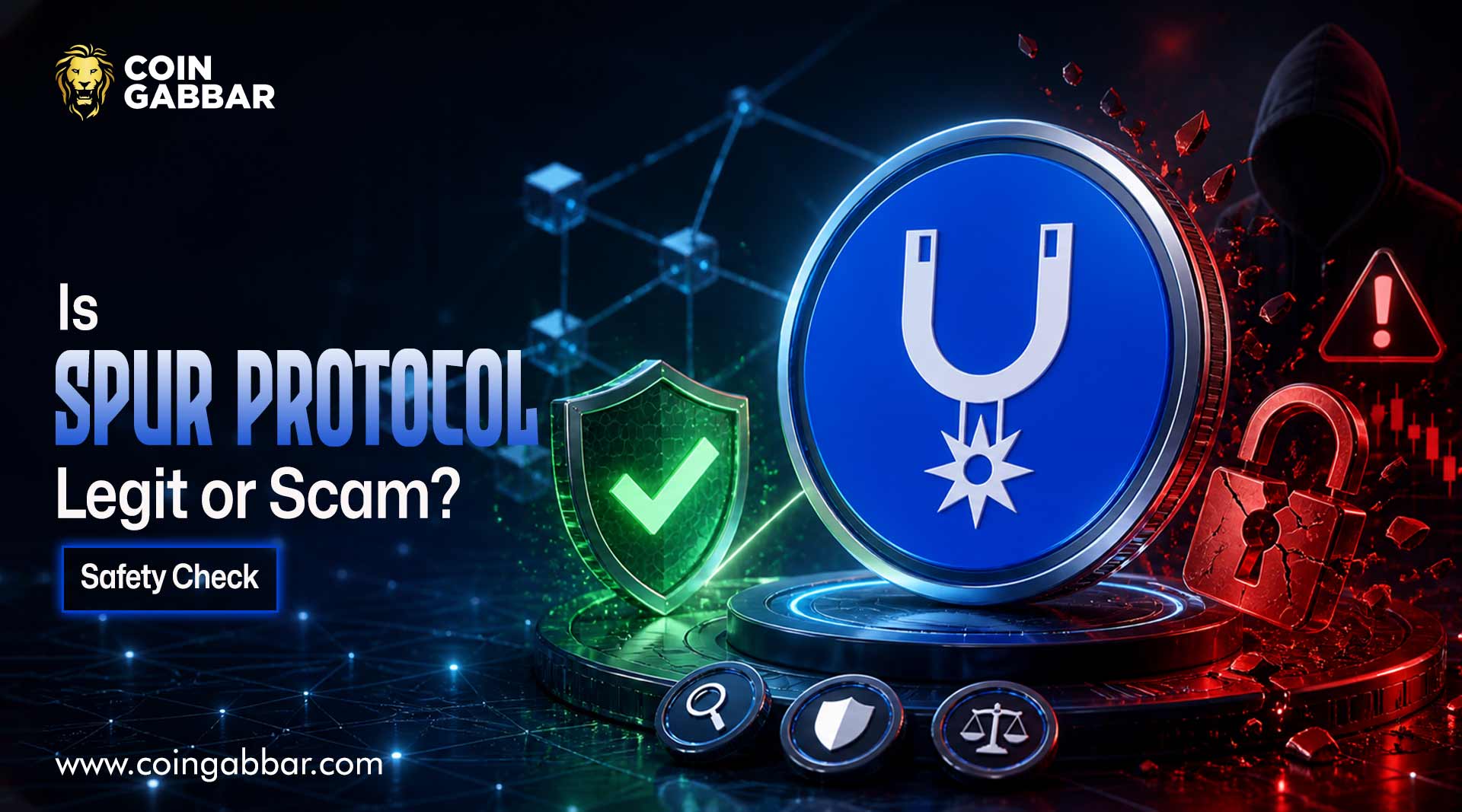
Why Are Users Asking is Spur Protocol legit Scam?
If you’re here searching for “is Spur Protocol legit” or “spur protocol scam”, you’re not alone. Thousands of users want to know whether Spur Protocol (spurprotocol.com) is a real project or a Spur protocol scam in disguise—especially before claiming any airdrop or connecting their wallet. This review lays out the facts, red flags, and official details so you can decide for yourself.
Is Spur Protocol Legit?
Spur Protocol markets itself as a Web3 education and task‑incentive platform that rewards users with $SPUR and $SON tokens for quizzes, on‑chain missions, and governance participation. The project has a public roadmap and a mobile app and has run seasonal airdrop‑style programs since late 2024.
From a technical-activity standpoint:
The project has a public contract address for $SON and has shared on‑chain holder data.
It continues to publish official updates and contract‑related clarifications, which is not typical of classic “rug‑pull” scams.
There is currently no conclusive proof that Spur Protocol is a scam, but confusion around the SON token airdrop, CoinStore delisting, and unauthorized trading has raised serious concerns.
So, today, Is Spur Protocol legit but risky and under scrutiny, not definitively fraudulent.
Why Are Users Searching Spur Protocol Scam?
The phrases “Spur Protocol scammer or real” and “Spur Protocol cryptocurrency scam review” have spiked since early 2026 due to several incidents:
CoinStore listing confusion: The SON token started trading on CoinStore around February 2, 2026, but the team later clarified that no official token sale or airdrop existed at that time, creating a mismatch between exchange activity and project statements.
Airdrop and claim confusion: Community members expected a Spur Protocol airdrop through the Spores Network launchpad on February 6, 2026. The team publicly denied authorizing that specific airdrop, leading to accusations of fake or premature airdrop links.
Exchange delisting and IDO refund: Shortly after the listing controversy, CoinStore delisted SON, and the project requested formal delisting, citing unauthorized exchange behavior and trading practices. Huostarter also refunded an IDO related to Spur, citing “suspicious activity.”
None of these prove fraud, but they create exactly the kind of trust‑crisis language that fuels “spur protocol scam” searches.
Spur Protocol Official Website and Social Links
The Spur Protocol official website is spurprotocol.com, and the project operates a Telegram app, web platform, and mobile app linked from that domain.
To decide if the SPUR protocol project is legitimate or not, check:
Verified X (Twitter): The official handle @spurprotocol posts roadmap updates, security warnings, and airdrop‑related clarifications.
Email and support channels: Official emails and support forms are hosted on spurprotocol.com, not random third‑party domains.
Technical docs: The project publishes tokenomics explanations, airdrop mechanics, and how to avoid airdrop scams directly on its site.
If you’re worried about fake Spur Protocol scam sites, always:
Manually type spurprotocol.com (not from Google ads or Telegram links).
Confirm the SSL padlock and check that subdomains (like spurprotocol.com/download) match the main site.
How To Check Fake Spur Protocol Airdrop Links
When you search “is Spur Protocol listed” or “Spur Protocol airdrop,” you’ll see many third‑party claim pages and “airdrop portals.” Here’s how to avoid fake ones:
Official claim portal: The project has used Spores Network and Huostarter for official IDO/launch activities and has clearly announced which portals are genuine.
Displayed contract address: Any Spur Protocol airdrop page should show the official SON token contract on BNB Chain and link directly to spurprotocol.com for verification.
Never via private DMs: The team will not contact you individually on Telegram or X asking you to claim tokens. Ignore “support agent” accounts offering “airdrop access.”
Domain similarity: Fake sites often use spurprotocol. gift, spur-testnet.com, or sporprotocol. xyz. Stick to spurprotocol.com and known partner domains.
If a link asks for:
Secret phrase
Send tokens/BNB to some address
“Unlock your airdrop fee” in crypto
It is spur protocol scam behavior, regardless of how official it looks.
Red Flags Before Connecting Wallet
Before you connect your wallet to any Spur Protocol front‑end or airdrop portal, look for these red flags:
No official social links on the page (no X, no Telegram, no GitHub).
Missing or mismatched contract address compared to the one published on spurprotocol.com.
Pop‑ups or “airdrop eligibility” checks that force you to approve unlimited token approvals or high‑value approvals.
“Minimum 100,000 SPUR points" is used as urgency—many fake sites copy real thresholds but do not match the project’s actual airdrop conditions.
Poor English / messy design on a page claiming to be an official Spur Protocol portal.
If you see several of these, treat the site as a suspected SPUR protocol scam and do not approve any transactions.
Is Spur Protocol listed on any exchange?
When users ask, "Is Spur Protocol listed?" the answer is nuanced:
The SON token formerly traded on CoinStore until the project requested delisting due to unauthorized trading activity.
There was no official TGE or token sale at the time of the CoinStore trading, which the team publicly clarified.
Some third‑party platforms and launchpads have advertised Spur‑related IDOs/refunds, but no major, stable, long‑term listings comparable to Binance or KuCoin have been clearly confirmed as of May 2026.
So, “is Spur Protocol listed?” today is best answered: Once on CoinStore, but now largely delisted; any current listings should be treated with caution and verified directly on spurprotocol.com and official social channels.
Final Safety Checklist For Users
If you still want to interact with Spur Protocol (to claim an airdrop, use the app, or join Season‑style rewards), follow this safety checklist:
Only use the official spurprotocol.com domain and verified X account.
Confirm the SON token contract address on the official site and your wallet.
Never connect your wallet to Spur Protocol airdrop links from Telegram, DMs, or random YouTube tutorials.
Reject any request to send BNB/crypto to a “safe wallet” or “airdrop unlock” address.
Treat any Son‑related trading on small exchanges as high‑risk, and assume that price can be volatile or manipulated.
If you’re unsure, wait for clear, official blog posts and contract‑hash‑linked announcements before acting.
Is Spur Protocol legit or a scam?
Answer: Not clearly a proven scam, but high‑risk with serious trust issues. Users who choose to participate should treat it as a speculative, high‑risk activity, not a guaranteed reward.
Disclaimer: This is not financial advice. Is Spur Protocol legit and SON token investments carry significant risk? Always verify through spurprotocol.com and official X channels before connecting your wallet or claiming any airdrop.