Crypto Event KYC & Compliance: Regulatory Standards

KYC & Compliance: Ensuring Security at Crypto Events
As the crypto industry continues to mature, the need for regulatory compliance at crypto events has become more important than ever. Among the most crucial compliance requirements is KYC (Know Your Customer), a process designed to prevent fraud, money laundering, and financial crimes in the crypto space. For projects hosting events and investors attending them, understanding the role of KYC and compliance is vital to ensure a safe and legitimate experience.
In this guide, we will explore KYC and compliance requirements at crypto events, why they matter, and how both projects and investors can ensure they are following proper procedures. We'll also highlight the risks of non-compliance and how it affects the legitimacy of crypto events.
What is KYC and Why Does It Matter for Crypto Events?
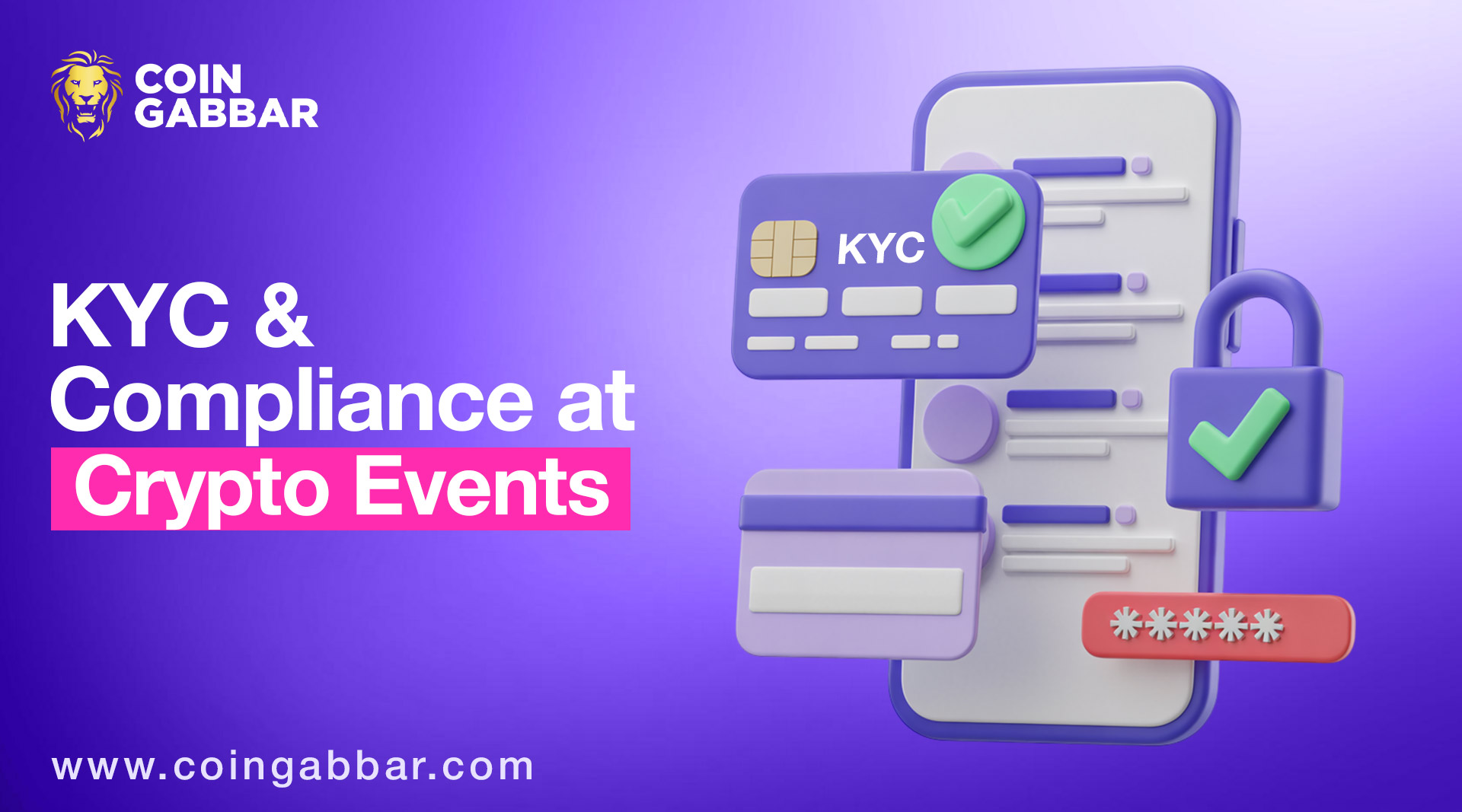
KYC stands for Know Your Customer, a process used by companies, including crypto event organizers, to verify the identity of participants. KYC is crucial in the crypto industry due to the decentralized and often anonymous nature of cryptocurrency event transactions. By conducting KYC checks, event organizers can ensure that participants are legitimate and reduce the risk of financial crimes like money laundering, fraud, and terrorist financing.
For projects, implementing KYC procedures helps protect your event from being misused by bad actors and ensures that your participants are legally compliant. For investors, KYC ensures that the event is following regulatory guidelines, which reduces the risk of encountering scams or being involved in illegal activities.
How KYC & Compliance Protects Crypto Events
For projects, implementing KYC helps prevent fraud and financial crimes, including money laundering and terrorist financing. By verifying the identities of participants, you can ensure that only legitimate individuals engage in token sales or investments at your event.
For investors, attending a compliant event gives peace of mind that your participation is not inadvertently supporting illegal activities. KYC ensures that the event is properly vetted and that no illicit activities are taking place.
2. Adhering to Legal and Regulatory Standards
For projects, KYC compliance ensures that your event meets local and international regulatory standards, such as the Bank Secrecy Act (BSA) or EU Anti-Money Laundering (AML) Directive. This is especially important when hosting international events, as each jurisdiction has its own regulations.
For investors, participating in a KYC-compliant event ensures that the event follows legal protocols and is not involved in illegal activities or financial crime. This offers a level of protection and transparency.
How Regulations Impact Crypto Events Navigating Compliance for Safe and Legit Crypto Events
KYC Process at Crypto Events: What You Need to Know
The KYC process at crypto events typically involves verifying the identity of each participant before they can access the event, make purchases, or participate in token sales. Here’s what the process usually entails:
1. Document Verification
For projects, you need to ensure that your event platform has a secure, seamless method for verifying personal identification documents. This may include:
Government-issued ID (passport, driver’s license)
Proof of address (utility bill or bank statement)
For investors, be prepared to provide these documents when attending a KYC-compliant event. This process is in place to protect both you and the event organizers by ensuring that only verified participants can engage in financial transactions or token sales.
2. Facial Recognition and Biometric Checks
For projects, adding an extra layer of security can enhance the KYC process. Some events incorporate biometric verification, such as facial recognition or fingerprint scanning, to ensure that the person registering matches their provided identity.
For investors, biometric checks provide an added layer of safety, ensuring that your identity is correctly matched to your documents and preventing identity theft or fraud.
3. AML Checks
For projects, AML (Anti-Money Laundering) procedures are integral to the KYC process. You will need to monitor suspicious activities and report any transactions that appear to involve illicit funds or criminal activity. This includes background checks on participants to identify politically exposed persons (PEPs) or individuals with suspicious financial histories.
For investors, knowing that an event is compliant with AML regulations ensures that your participation is protected and that you’re engaging with a reputable, legal platform.
Email Marketing for Crypto Events Engage Attendees & Boost Participation Effectively
Risks of Non-Compliance with KYC and Regulatory Standards
1. Legal Consequences
For projects, failing to implement proper KYC and compliance procedures can result in severe legal consequences. In many countries, hosting a token sale or crypto event without proper KYC/AML compliance can lead to fines, penalties, or even event shutdowns.
For investors, participating in an event that is not KYC-compliant can expose you to the risk of being involved in illegal activities. If the event is shut down due to non-compliance, you may lose your investment or face legal complications.
2. Loss of Credibility and Trust
For projects, if your event is not KYC-compliant, it can severely damage your reputation and credibility within the crypto community. This can result in loss of trust from potential investors, partners, and collaborators, making it harder to raise funds or launch successful projects in the future.
For investors, attending a non-compliant event can expose you to financial loss and make you question the legitimacy of other opportunities in the future.
Crypto Event Scams to Avoid Protect Your Crypto Investments
3. Security Risks
Without KYC and AML procedures, crypto events are vulnerable to fraud and security breaches. For projects, the lack of identity verification can expose your event to cyber attacks or manipulation by malicious actors. For investors, this increases the likelihood of participating in fraudulent schemes, where your personal and financial information may be stolen.
Best Practices for KYC and Compliance at Crypto Events
1. Partner with Trusted KYC Providers
For projects, it’s crucial to partner with trusted KYC/AML providers that specialize in the crypto space. These companies provide secure, fast, and compliant verification services for event organizers. Make sure the provider is regulatory-compliant and has a proven track record in the industry.
2. Offer Transparent Information to Participants
For projects, it’s important to inform participants about the KYC process and why it’s necessary. Provide clear instructions on what documents are required, how their data will be handled, and how long the process will take. This transparency helps build trust and reduces friction for participants.
3. Secure Data Handling Practices
For projects, ensure that all personal data collected during the KYC process is securely stored and encrypted. For investors, make sure the event’s platform follows industry-standard data protection practices to safeguard your sensitive information.
4. Regular Audits and Compliance Checks
For projects, conduct regular audits to ensure that your KYC process remains compliant with evolving regulations. This is essential for ensuring that you are up-to-date with the latest legal requirements and are proactively preventing any issues.
For investors, make sure the event you’re attending has updated its KYC and AML policies to reflect current legal standards. Compliance should be a continuous process, not a one-time check.
Event Branding in Web3 Build Recognition and Trust in the Web3 Space
Conclusion
KYC and compliance at crypto events are essential for ensuring that the event operates legally, securely, and transparently. For projects, implementing a strong KYC process helps maintain a legitimate and trustworthy reputation in the crypto community. For investors, attending compliant events reduces the risk of fraud and ensures that your participation is protected.
By following best practices and partnering with trusted KYC providers, both projects and investors can participate in crypto events with confidence, knowing they are adhering to industry standards and regulatory requirements.
Disclaimer
This content is for informational purposes only and does not constitute financial or investment advice. Always perform your own research and ensure that the events you attend comply with industry standards and regulations.