How to Avoid Crypto Event Scams and Stay Safe

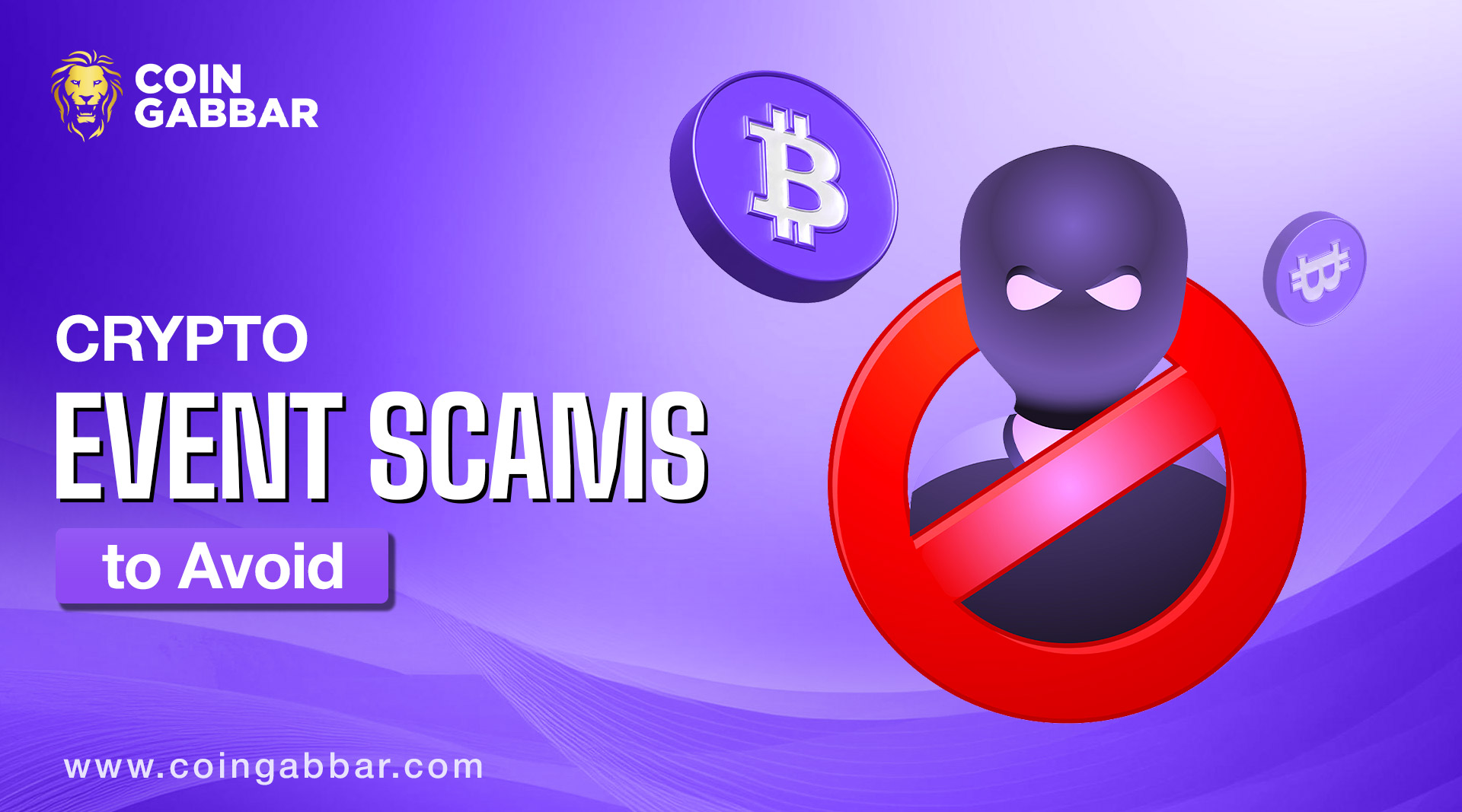
How to Identify and Avoid Crypto Event Scams Safely
Crypto events have become the go-to platforms for learning, networking, and promoting new tokens and projects. However, with the rapid growth of the industry, crypto event scams are also becoming more common. Projects and investors looking to expand their reach or stay up to date with the latest trends can fall prey to fraudulent events if they are not careful.
In this guide, we will explore the most common crypto event scams to avoid, how projects and investors can protect themselves, and the steps you can take to verify an event's legitimacy before attending.
For projects, attending or promoting a scam event can result in damaged reputations, lost opportunities, and wasted resources. For investors, falling for a scam event can mean wasted time, financial loss, and potential personal data exposure.
Common Crypto Event Scams
1. Fake Speakers and Unverified Presenters
For projects: Fraudulent events often claim to feature well-known industry leaders or high-profile speakers. However, these speakers may either not exist or have no credible background in the crypto space. If a conference claims high-profile speakers but provides little to no details about them, it's likely a red flag.
For investors: If the speaker list contains individuals you’ve never heard of, or the event fails to provide details or biographies, it’s worth investigating further. Attending events with fake speakers is a waste of time, and can mislead investors into backing questionable projects.
How to Avoid This Scam:
-
Research speakers on social media and industry forums.
-
Verify LinkedIn profiles or other credible platforms to confirm speaker identities.
-
If speakers are missing from the event website or their credentials can’t be verified, reconsider attending.
Ensure Credibility: Speaker Verification at Blockchain Events
2. Non-Existent or Phony Partnerships
For projects: Scammers often advertise partnerships with major crypto platforms or well-known investors to gain credibility. These partnerships are often fake or exaggerated to lure projects into paying for tickets or event sponsorships.
For investors: Be cautious if the event boasts connections with top investors or large platforms but provides no proof of these relationships. It’s easy for scam events to claim “exclusive deals” or partnerships with major names in the industry.
How to Avoid This Scam:
-
Check the credibility of partners or investors listed in the event materials.
-
Verify any claims with the official websites or social media of the supposed partners.
-
Be wary of events that boast about partnerships without tangible proof.
Stay Safe: Due Diligence for Crypto Conferences
3. Fake Ticketing and Unofficial Payment Platforms
For projects: Scammers often set up fake ticketing systems for conferences, claiming to sell access to an event that doesn’t exist. This can result in lost funds and wasted resources for projects attempting to promote their token or network.
For investors: Fake ticketing is one of the most common crypto event scams. Scammers may provide discounted tickets or claim to sell VIP access to limited events. Once the payment is made, the investor receives no tickets or access to the event.
How to Avoid This Scam:
-
Only use verified platforms for purchasing tickets (e.g., Eventbrite, the official event website).
-
Be cautious if ticket purchases are only available through direct bank transfers or crypto payments with no secure payment methods.
-
Ensure that the ticketing system uses SSL encryption to secure personal information.
4. "Too Good to Be True" Promises
For projects: If an event promises instant listings, guaranteed investors, or exclusive partnerships, it is most likely a scam. Legitimate events provide networking opportunities and learning experiences, not promises of instant success.
For investors: Be skeptical if an event promises quick returns, VIP access, or private investment deals with little to no verification. Crypto events should focus on learning and networking, not on “getting rich quick” schemes.
How to Avoid This Scam:
-
Look for transparency in the event schedule, speaker line-up, and session details.
-
Question unrealistic promises and ask for verifiable facts or past events.
-
Legitimate events usually have a clear focus on networking and education, rather than hyping up immediate financial success.
Spot Scams: How to Avoid Fake Crypto Event Listings
5. Phishing and Data Collection
For projects: Some fraudulent events aim to collect sensitive information from token projects, such as private keys, wallets, or confidential data. Attending or registering for such events can compromise your project’s security and data integrity.
For investors: Crypto events that require excessive personal data or financial details (such as wallet keys or private addresses) should be avoided. Scammers often use fake events to harvest this information for malicious purposes.
How to Avoid This Scam:
-
Be cautious if events ask for excessive personal information that isn’t necessary for registration.
-
Use secure, verified ticketing platforms and always check privacy policies before submitting any personal data.
-
Never share your private keys or sensitive financial details at any event, whether in person or online.
Legal Considerations and Event Compliance
1. Lack of Legal and Regulatory Compliance
For projects: Scam events often fail to comply with basic KYC/AML regulations or other industry standards, making them risky places to interact with potential investors. Participating in such an event can expose your project to regulatory scrutiny.
For investors: If an event does not show evidence of adhering to compliance standards, such as KYC or AML checks, it may expose investors to fraud or illegal activity. Additionally, lack of compliance can indicate that the event organizers are not following local laws, putting attendees at risk.
How to Avoid This Scam:
-
Verify the event’s compliance with relevant regulations like KYC and AML.
-
Ensure the event has privacy protection and transparent data security practices.
-
Check if the event has publicly available compliance documentation or a legal team listed.
2. Misleading Legal Claims
For projects: Be wary of event organizers who make false legal claims about your token, its potential, or the legitimacy of your project. These misleading claims can cause damage to your token's reputation and create legal risks.
For investors: Look out for claims that seem to guarantee financial returns, exclusive access, or “inside information”. Such claims are often used to lure investors into making hasty decisions that can lead to financial loss.
How to Avoid This Scam:
-
Verify all legal claims with independent sources, such as legal advisors or official regulatory bodies.
-
Avoid events that overstate legal advantages or market access without concrete backing.
Email Marketing for Crypto Events Boost Attendance
Conclusion
Crypto event scams are a growing problem, but projects and investors can protect themselves by staying vigilant and conducting thorough due diligence. Always verify event organizers, speakers, and ticketing systems, and be cautious of events that make unrealistic promises or ask for unnecessary personal information.
For projects, ensuring your participation in legitimate events can enhance your reputation and create valuable networking opportunities. For investors, attending credible crypto events can help you stay informed and make smarter investment decisions while avoiding fraudulent schemes.
By following the steps outlined in this guide, you can ensure that your next crypto event experience is both valuable and safe.
Disclaimer
This content is for informational purposes only and does not constitute financial or investment advice. Cryptocurrency events and investments come with risks. Always conduct your own research and ensure that the events you attend are compliant with industry standards and regulations.