Crypto Restaking Risk: Extra Yield or Extra Danger?

How Crypto Restaking Risk Works on EigenLayer
Yes, it can. That is the real story behind Crypto Restaking Risk. Restaking can raise rewards, though it also adds more moving parts, more rule sets, and more ways things can go wrong.
That is why beginners need a clearer map.
This guide explains crypto restaking risk slashing EigenLayer explained in simple language. You will learn how restaking works, why AVS slashing matters, how operator concentration can raise danger, how EIGEN volatility shapes behavior, and what steps can reduce harm.
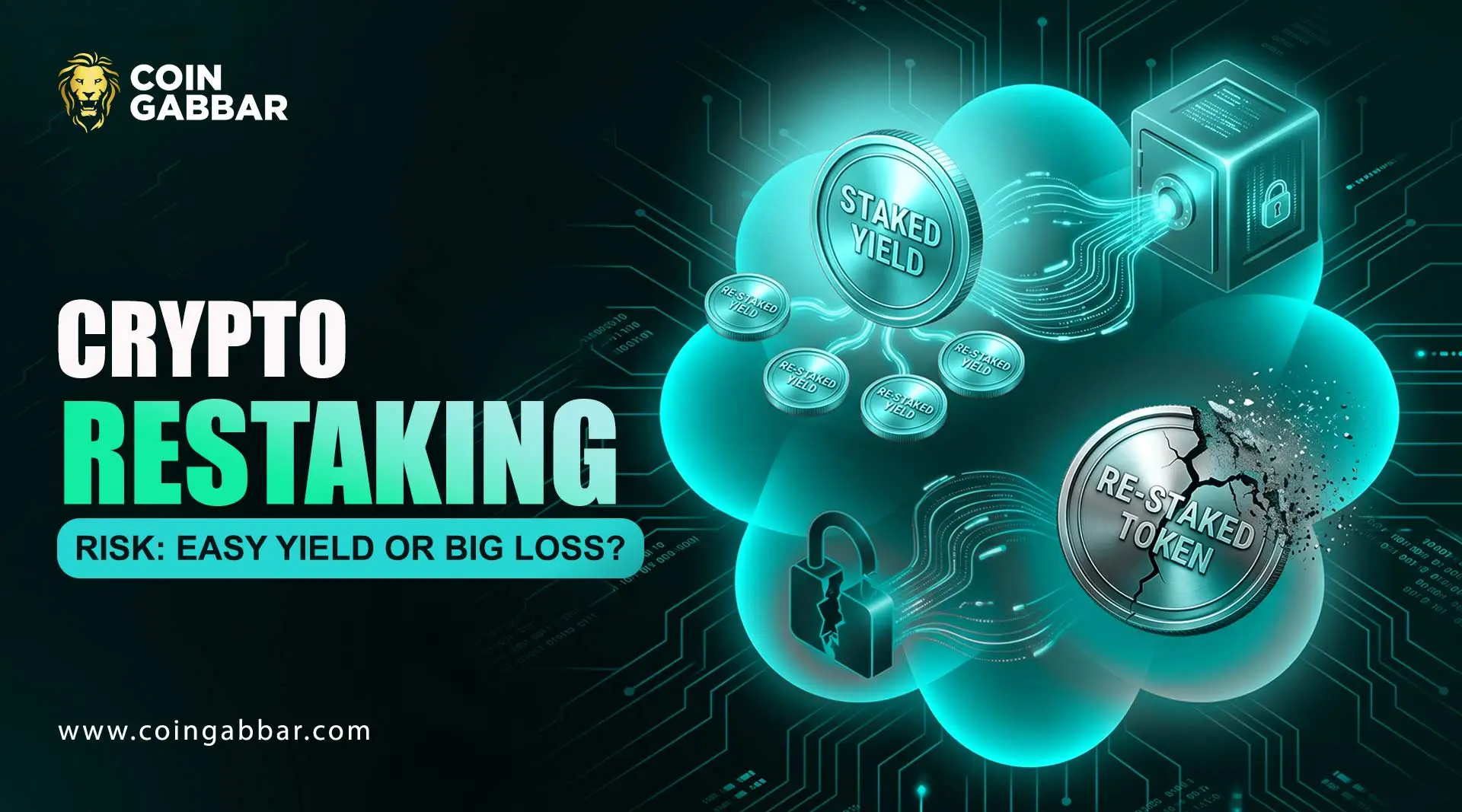
Crypto Restaking Risk means the extra danger you take when one staked asset secures more than one service. On EigenLayer, that can include AVS-specific slashing, operator failure, smart contract issues, concentration in a few operators, and market pressure around EIGEN rewards. In simple terms, more yield can mean more hidden risk.
Crypto Restaking Risk starts when one asset secures several systems
AVSs can use different slashing rules
One operator failure can affect several services at once
EIGEN price swings can change user behavior fast
Small position size and operator choice matter a lot
What Is Restaking, Really?
Restaking starts with an asset you already stake.
That could be native ETH or a liquid staking token like stETH. Instead of earning only Ethereum staking rewards, you use that same capital to help secure extra services through EigenLayer.
Those services are called AVSs.
AVS means Actively Validated Service. In simple words, it is an outside service that uses operators or validators to stay honest and available. Data services, middleware, and other Ethereum-linked layers can fit into this group.
This is where Crypto Restaking Risk begins.
On normal Ethereum staking, your main concern is validator behavior. In restaking, you also depend on AVS rules, operator quality, and extra software layers. That means more reward paths. It also means more failure points.
Restaking is not just extra yield.
It is layered exposure.
How Does Slashing Work On EigenLayer?
Slashing means losing part of your stake after bad behavior or failure.
That could happen if an operator breaks a rule, misses a duty, signs bad data, or fails to meet a service condition. This is a key part of Restaking Risk guide thinking because slashing is not one simple penalty shared by every service.
Each AVS can set its own conditions.
That is the first thing many beginners miss. They see one platform and think one rulebook applies to everything. In reality, different AVSs may use different fault standards.
So what does that mean for you?
It means Crypto Restaking Risk changes depending on the AVS you choose. One AVS may care most about uptime. Another may care about correct data. Another may punish delayed or invalid responses.
This is why restaking feels more complex than normal staking.
You are not joining one security model. You are joining several security models at once.
Why Does Multi-Layered Risk Matter So Much?
This is the danger that looks small at first.
A single Crypto Restaking Risk can spread across layers if one operator secures several AVSs. If that operator fails, the impact may not stay inside one service. It can affect several reward streams and several risk exposures at once.
That creates cascading risk.
Here is the simple version:
one operator may serve many AVSs
one technical bug may hit several services
one slash event may damage more than one position
one panic may trigger fast exits across linked users
This is a major point in Restaking Risk for beginners.
Restaking is not only about what you earn. It is also about how risks overlap. If your exposure sits across many services that depend on one operator, the damage can stack fast.
That is why layered yield should never be treated like free yield.
What Happens If One Operator Gets Too Big?
Then concentration risk rises.
Many users prefer large operators because they feel safer. That makes sense. Yet if too much stake gathers around a few names, the system becomes more fragile.
This is classic market structure risk.
If one widely used operator goes offline, mismanages software, or gets slashed, many users can feel the pain at once. That makes Crypto Restaking Risk about more than code. It also becomes a question of who controls the flow of delegated stake.
You have seen this pattern before.
Large exchanges, big ETH staking pools, and dominant liquid staking providers all show how concentration can grow quietly. Restaking can follow the same path if users chase familiarity over risk balance.
That is why operator selection matters as much as platform selection.
Does EIGEN Volatility Add More Risk?
Yes, even if you do not hold much EIGEN yourself.
The token sits close to EigenLayer’s incentive story and market narrative. When EIGEN rises fast, more users may chase restaking rewards without fully understanding the trade-offs. When EIGEN falls hard, users may question whether the extra complexity is still worth it.
That changes behavior.
This is one of the less obvious parts of Crypto Restaking Risk. Token swings do not change AVS rules directly. They do change how greedy or cautious users become.
That can affect the whole system.
High token excitement can pull in weak hands. Sharp price drops can push them out. In a stressed market, that shift can make restaking look much riskier than it did during a calm period.
How Can You Reduce Restaking Risk?
You cannot remove Crypto Restaking Risk fully.
You can reduce it with discipline.
read the AVS rules before opting in
avoid placing all stake behind one operator
check whether your operator serves many AVSs
keep position size small at first
study the slash conditions in plain terms
prefer transparent operators with public data
question whether rewards come from real use or short-term incentives
This is the most practical answer to how to restaking risk.
Do not fight complexity with hope. Fight it with smaller size, better operator selection, and clearer AVS review.
Ethereum Staking Vs Restaking Vs Liquid Restaking
This comparison helps beginners see the difference faster:
Model | Main Reward Source | Main Risk | Complexity |
Validator rewards | Validator failure | Lower | |
Restaking | Validator rewards plus AVS rewards | Slashing across extra services | Higher |
Liquid restaking | Yield plus token flexibility | Smart contract and layered slashing risk | Highest |
This table shows why Crypto Restaking Risk deserves special attention.
Each extra layer can add one extra dependency. That is why restaking should be treated as a higher-complexity product, not a simple staking upgrade.
Who Should Avoid Restaking?
Not every investor needs it.
You may want to avoid restaking if:
you are new to Ethereum staking
you do not understand slashing terms
you chase yield without reading AVS rules
you cannot track operator exposure
you panic during token volatility
This section matters because Restaking Risk risks often hit users who move too fast.
Final Take
Restaking: Using already staked assets to help secure additional services beyond the base network.
EigenLayer: A protocol that enables Ethereum restaking for additional services and middleware.
AVS: Actively Validated Service, an external service secured by operators or validators.
Slashing: A penalty that reduces stake after bad behavior, failure, or rule violations.
Operator Concentration: A risk where too much delegated stake is controlled by a small number of operators.
EIGEN: A token associated with EigenLayer’s incentive and market narrative.
Disclaimer: For educational purposes only, not financial advice.
Also read: