Data Protection at Crypto Events | Data Security Best Practices

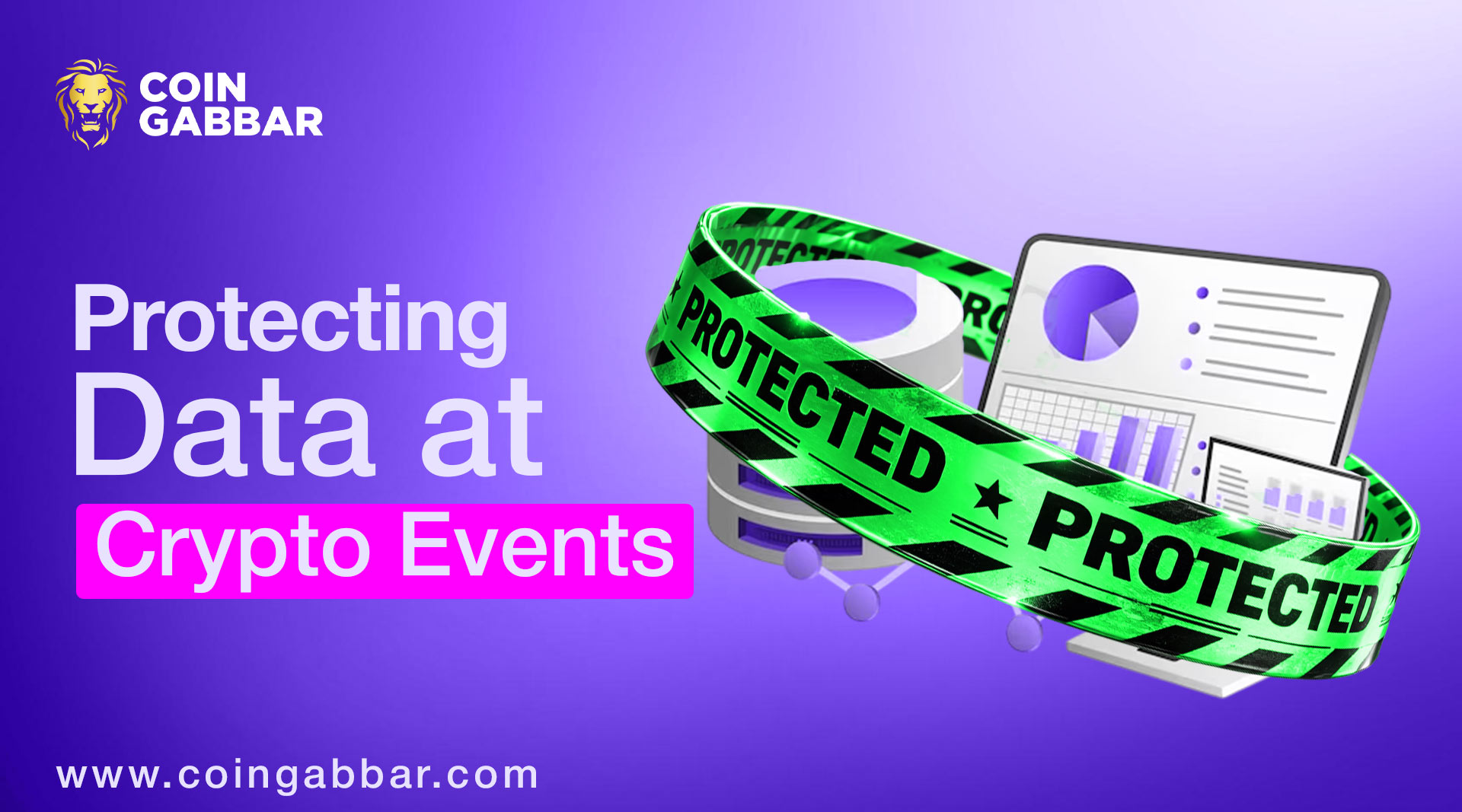
Top Data Protection Practices at Crypto Events
As the crypto space continues to evolve, so do the opportunities for fraud, scams, and data breaches. Crypto events, whether in-person or virtual, are prime targets for hackers and fraudsters looking to steal personal data, financial information, or access to sensitive resources. Both projects and investors must be aware of the data security risks at crypto events and take appropriate steps to protect their information.
In this guide, we will explore the best practices for protecting data at crypto events, highlighting the key security measures that should be in place for projects hosting events and investors attending them. By understanding the risks and implementing proper precautions, you can ensure a safe and secure experience at any crypto event.
For projects, protecting attendee data is crucial to building trust and ensuring compliance with data protection regulations. For investors, safeguarding personal and financial information is essential to avoid falling victim to data breaches, scams, and identity theft.
The Importance of Data Protection at Crypto Events
1. Increasing Number of Attendees
As the crypto industry expands, so does the number of attendees at crypto events. The more participants an event has, the more personal and financial data it collects. This makes crypto events an attractive target for cybercriminals seeking to vulnerabilities.
For projects, handling large amounts of personal data during registration, token sales, or other activities means it’s essential to implement robust data protection systems. A data breach can severely damage your reputation and lead to legal consequences.
For investors, attending a crypto event means sharing your personal information and sometimes even financial data. Ensuring that the event adheres to data protection laws and uses proper security measures is essential to prevent misuse of information.
2. Compliance with Data Protection Laws
For projects, adhering to data protection regulations such as General Data Protection Regulation (GDPR) or the California Consumer Privacy Act (CCPA) ensures that your event meets legal standards and protects participant data. These regulations require event organizers to implement specific security measures and obtain participant consent for collecting and processing personal data.
How Regulations Impact Crypto Events
Common Data Security Risks at Crypto Events
1. Phishing and Social Engineering Attacks
For projects, scammers may attempt to impersonate legitimate participants, speakers, or sponsors to gain access to sensitive information or secure credentials. Phishing attacks, where fraudulent emails or websites are created to trick you into sharing login details or financial data, are common in crypto events.
For investors, phishing attacks can occur when you are asked to submit personal or financial information via email or fake websites. Attackers may use this information to steal your identity, access your crypto wallets, or drain your funds.
2. Unsecure Registration and Ticketing Systems
For projects, if your registration system lacks proper security measures, participants’ personal information could be exposed to hackers. It’s crucial to ensure that the system uses SSL encryption, secure payment gateways, and two-factor authentication (2FA).
For investors, insecure ticketing systems can lead to the exposure of your personal data. Ensure that the platform you use for registering or purchasing tickets employs secure methods of collecting and storing sensitive information.
Ticket Fraud in Crypto Events Secure Your Access: Avoid Ticket Fraud at Crypto Events
3. Data Breaches
For projects, a data breach can happen if the event’s security measures are not up to industry standards. If hackers gain access to participant databases, they could steal sensitive information like wallet addresses, KYC details, and payment data.
For investors, data breaches at crypto events could lead to your personal and financial details being exposed or sold on the dark web. A breach could also compromise the security of your digital assets, such as cryptocurrencies and NFTs.
How to Verify Legit Crypto Conferences Ensure Authenticity
Best Practices for Protecting Data at Crypto Events
1. Implement Secure Registration Systems
For projects, ensure that your registration system is secure by using encrypted platforms and reputable ticketing services. Utilize SSL encryption to secure participant information and store it in a secure server.
For investors, always check that the registration platform uses HTTPS (secure connection) and has an SSL certificate. Be cautious if the registration form asks for excessive personal information or financial details without providing clear explanations about how your data will be used.
2. Utilize Two-Factor Authentication (2FA)
For projects, adding 2FA to your event's online platform enhances security by requiring participants to confirm their identity using a second method, such as a mobile device or authentication app. This prevents unauthorized access to sensitive data.
For investors, always enable 2FA on your event account to add an extra layer of security when logging in or performing transactions.
3. Data Encryption
For projects, all sensitive data collected during the event should be encrypted both at rest and in transit. This means that if your database is breached, the data would be unreadable to hackers without the proper decryption keys.
For investors, ensure that any data you submit (whether during registration or transactions) is encrypted using industry-standard protocols.
4. Secure Payment Gateways
For projects, if your event involves ticket sales or token purchases, use secure payment gateways that are PCI DSS-compliant. Ensure that payment systems offer encryption and fraud protection.
For investors, make sure that any crypto transactions are made through secure payment platforms that verify the legitimacy of both the seller and the buyer. Avoid sending funds through platforms that don’t have clear security measures in place.
5. Data Minimization and Retention
For projects, only collect the minimum amount of data necessary for the event. Avoid storing sensitive personal information, such as passwords, wallet keys, or unnecessary KYC details, unless required by law. Implement a data retention policy to securely dispose of data once it is no longer needed.
For investors, be mindful of the amount of personal information you provide during registration. Avoid sharing details unless required for participation.
6. Educate Attendees on Data Security
For projects, educating your attendees about data security best practices can help them avoid falling victim to phishing scams or data breaches. Provide information about how their data will be used and the measures you are taking to protect it.
For investors, always ask questions about how your data will be handled. Ensure that the event is transparent about its data protection practices and complies with relevant regulations.
Spot Scams Early: Key Red Flags in Crypto Conferences
How Regulations Impact Data Protection at Crypto Events
1. Data Protection Laws (GDPR, CCPA)
For projects, understanding and complying with data protection laws, such as the General Data Protection Regulation (GDPR) in the EU or the California Consumer Privacy Act (CCPA), is essential. These regulations require that projects obtain explicit consent from participants to collect and process their personal data. Additionally, participants have the right to access, modify, and delete their data.
For investors, attending an event that complies with these data protection laws ensures that your information is handled legally and securely. You have the right to request that your data be deleted if you no longer wish to participate.
2. Cross-Border Compliance
For projects, Web3 events often involve international participants, which requires compliance with cross-border data protection regulations. You need to ensure that your event complies with global regulations to prevent legal complications, particularly when collecting and processing data from international attendees.
For investors, attending an international event means that your data could be subject to different legal standards depending on where the event is hosted. It’s essential to confirm that the event complies with data protection regulations in your region, even if it’s hosted elsewhere.
Security Risks at Web3 Conferences Stay Alert: Protect Yourself from Web3 Conference Risks
Conclusion
Protecting data at crypto events is essential for both projects and investors. Ensuring that data protection measures such as encryption, two-factor authentication, and secure payment systems are in place can safeguard your personal and financial information. By following best practices and staying vigilant about the security protocols at crypto events, you can enjoy a safe and successful experience in the Web3 space.
Disclaimer
This content is for informational purposes only and does not constitute financial or investment advice. Crypto events come with inherent risks. Always perform due diligence and ensure that the events you attend comply with industry standards and regulations.
Also read: